Your First Email Marketing Strategy In 2026: How To Build It From Scratch

Starting your first email marketing campaign in 2026? Great timing. Email marketing isn’t going anywhere, and honestly, it’s getting better every year. With the right approach, you can boost sales, attract new customers, and keep them coming back. Plus, it’s one of the best ways to build a real connection with your audience. So let’s walk through everything you need to know to create your email marketing strategy for 2026.

Why email marketing still crushes it in 2026
Let’s talk numbers first, because they’re pretty wild. Email marketing brings in an average return of $36 to $42 for every single dollar you spend. That’s a 3,600% to 4,200% ROI. Meanwhile, nearly 4.6 billion people worldwide use email in 2026, and that number’s climbing toward 4.8 billion by 2027. Also, 99% of email users check their inbox every single day, with many checking it multiple times. Compare that to social media, where your post might get buried in minutes.
Here’s another eye-opener: 52% of consumers made a purchase directly from a marketing email in the past year. Plus, 59% say that marketing emails actually influence their buying decisions. That’s huge. Email isn’t just some channel people tolerate – it’s where they want to hear from brands they trust.
However, there’s a catch. People receive between 50 to 121 emails per day on average, and 67% say they feel overwhelmed by their inbox. That means standing out isn’t automatic anymore. You need to be smart, relevant, and genuinely helpful. Generic mass emails don’t cut it. But don’t worry – this guide will show you exactly how to create emails people actually want to open.
Understanding what email marketing really means
Email marketing is more than just sending promotional messages to a list of people. It’s about building relationships, sharing value, and staying top of mind with your audience. Think of it as having a direct line to people who’ve already shown interest in what you do.
Through email, you can welcome new subscribers, share product updates, announce sales, recover abandoned carts, tell your brand story, and nurture leads. The beauty of it? You own this channel. Unlike social media platforms that can change their algorithms overnight, your email list belongs to you. That makes it one of the most valuable business assets you can build.
Building your email marketing strategy: The foundation
Start with crystal-clear goals
Before you write a single email, you need to know what success looks like. Random email blasts without clear goals are just noise. Instead, use the SMART framework to set goals that actually mean something:
S – Specific: Don’t just say “grow my email list.” Say “add 500 new subscribers in the next 60 days through my website popup and lead magnet.” The more specific, the better.
M – Measurable: Pick metrics you can actually track. For example, “increase email open rates from 18% to 25%” or “generate 30 sales from email campaigns this month.” Numbers keep you honest.
A – Achievable: Dream big, but stay realistic. If you’re brand new to email marketing, aiming for 10,000 subscribers in your first month probably isn’t happening. Start smaller, build momentum, then scale up.
R – Relevant: Make sure your goals align with your bigger business objectives. If your main goal is increasing repeat purchases, then focus on retention campaigns rather than just growing your list.
T – Time-bound: Give yourself deadlines. “Increase cart abandonment recovery rate by 15% within 90 days” is way more motivating than a vague “someday” goal.
Know your audience inside and out
You can’t write great emails if you don’t know who you’re writing to. So take time to really understand your audience. What problems are they trying to solve? What keeps them up at night? What makes them excited?
This is where segmentation comes in, and it’s absolutely critical in 2026. Research shows that segmented emails deliver 30% more opens and 50% more clicks than generic ones. Plus, marketers see a 760% increase in email revenue from segmented campaigns. That’s not a typo – 760%.
Start by creating basic segments like new subscribers, active customers, and inactive users. Then, as you gather more data, you can get super specific. For instance, you might segment by purchase history, browsing behavior, geographic location, engagement level, or product interests. The more targeted your messages, the better they perform.
Choosing the right email marketing platform for 2026
Your email platform is basically your mission control. It’s where you’ll create campaigns, manage subscribers, track results, and automate workflows. In 2026, there are tons of great options, each with different strengths.
Kit (formerly ConvertKit) is fantastic for creators, bloggers, and coaches who want simple, text-based emails that feel personal. It offers generous free plans with up to 10,000 subscribers and unlimited emails.
Klaviyo dominates the ecommerce space with powerful segmentation and deep integrations with Shopify, WooCommerce, and other platforms. It’s pricier but worth it if you’re selling products online.
Brevo (formerly Sendinblue) is a solid all-rounder that includes email, SMS, and basic CRM features. It’s affordable and great for small businesses that want multiple channels under one roof.
Omnisend is built specifically for ecommerce, with excellent automation workflows and multi-channel campaigns that tie email and SMS together seamlessly.
Mailchimp is the household name everyone knows. It integrates with practically everything and offers a user-friendly interface, though it’s gotten pricier over the years.
ActiveCampaign is perfect if you want serious automation and CRM capabilities. It’s powerful but has a learning curve, so it’s best for businesses ready to dive deep.
When picking a platform, look for strong deliverability rates, easy-to-use automation, good segmentation tools, mobile-responsive templates, and integrations with your other tools. Also, make sure there’s a free plan or trial so you can test it out before committing.
Growing your email list the right way
Your email list is your most valuable asset, but you need to grow it ethically and strategically. Never, ever buy email lists. It’s illegal in many places, ruins your deliverability, and annoys people who never asked to hear from you. Instead, focus on attracting subscribers who genuinely want your content.
Website signup forms are the foundation. Put them in your header, footer, sidebar, and within blog posts. Make the signup process quick – just name and email is usually enough at first.
Popups work incredibly well when done right. Use exit-intent popups that appear when someone’s about to leave, or time-delayed popups that show up after 30 seconds. Offer something valuable in exchange for their email, like a discount code, free guide, or exclusive content.
Lead magnets are content upgrades that solve a specific problem. Think checklists, templates, ebooks, webinars, or mini-courses. The key is making them so valuable that giving up an email address feels like a no-brainer.
Social media can drive signups too. Include a link to your signup page in your bio, create posts highlighting your lead magnet, and run targeted ads that send people to a landing page.
Remember: quality matters more than quantity. A list of 500 engaged subscribers beats 5,000 uninterested ones every single time
Crafting emails that people actually want to read
Design templates that look great everywhere
Your emails need to look good on every device, especially since approximately 60% of emails are now read on mobile devices. Most email platforms offer drag-and-drop editors with mobile-responsive templates, so use them.
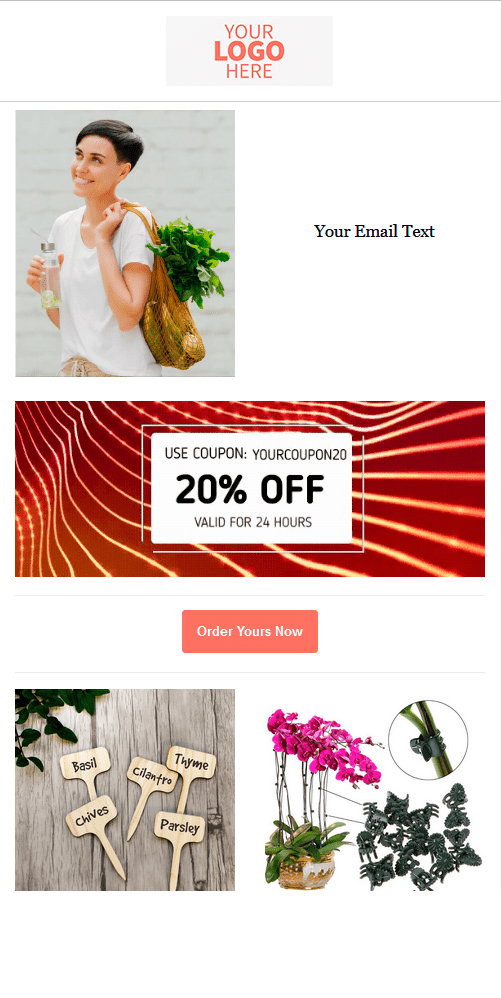
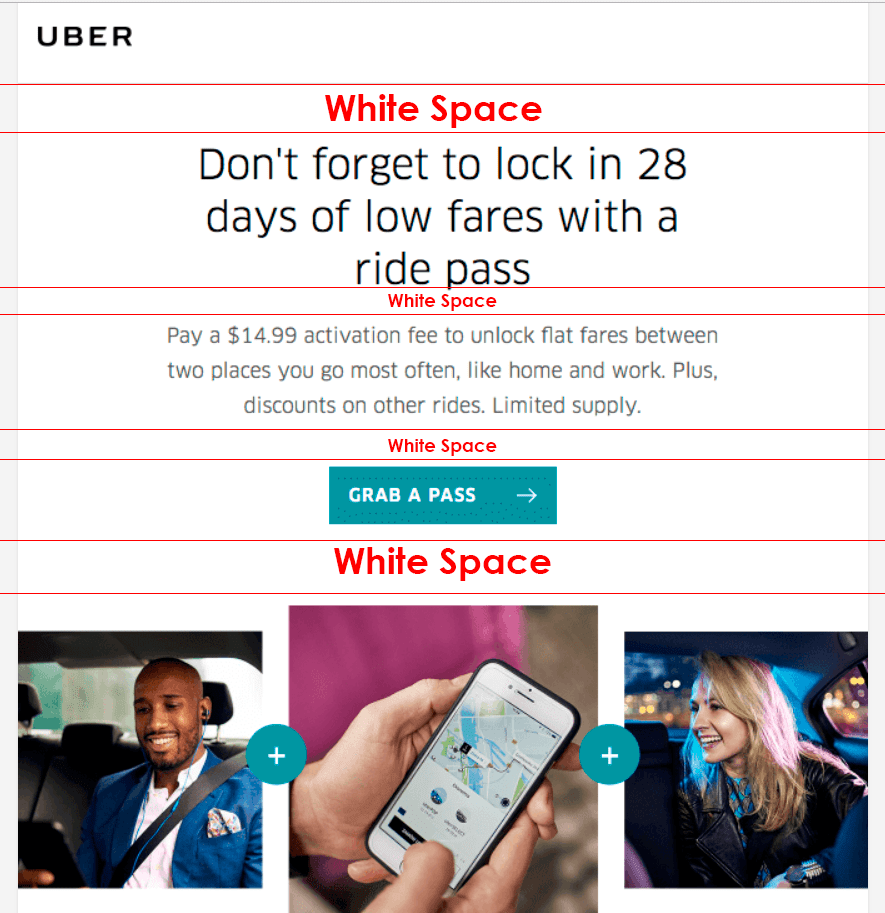
Keep your design clean and simple. Include your logo in the header, use plenty of white space, and make sure your call-to-action buttons stand out. In the footer, always include social media links, your physical address, and an unsubscribe link. These aren’t just nice to have – they’re legally required in most countries.
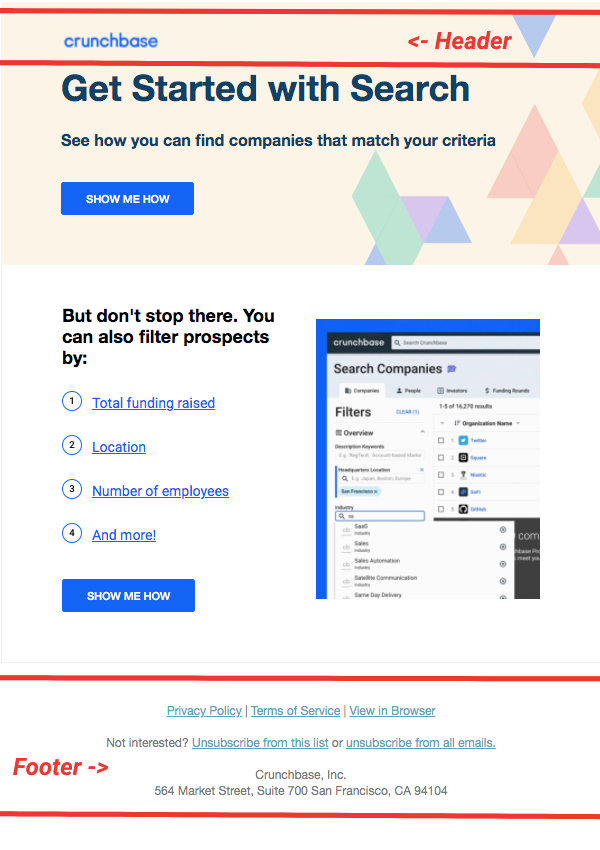
White space is your friend. Don’t cram everything into one email. Give your content room to breathe. White space makes your emails easier to scan, less overwhelming, and more visually appealing.
Write subject lines that get opens
Your subject line is everything. It doesn’t matter how good your email is if nobody opens it. The average email open rate across industries hovers around 21%, but with good subject lines, you can do much better.
Keep them short and punchy – around 40 characters works best. Create curiosity without being clickbait-y. Personalize when possible (emails with personalized subject lines get 29% higher opens). Use action words and, when appropriate, include numbers or emojis (though emojis only boost opens by about 4%, so don’t go overboard).
Most importantly, test your subject lines. What works for one audience might flop with another. A/B testing is your best friend here.
Use images and visuals strategically
Visual content is powerful. People remember 65% of visual information up to three days later, compared to just 10% of text. Plus, emails with images get 4.84% click-through rates compared to 1.6% for text-only messages.
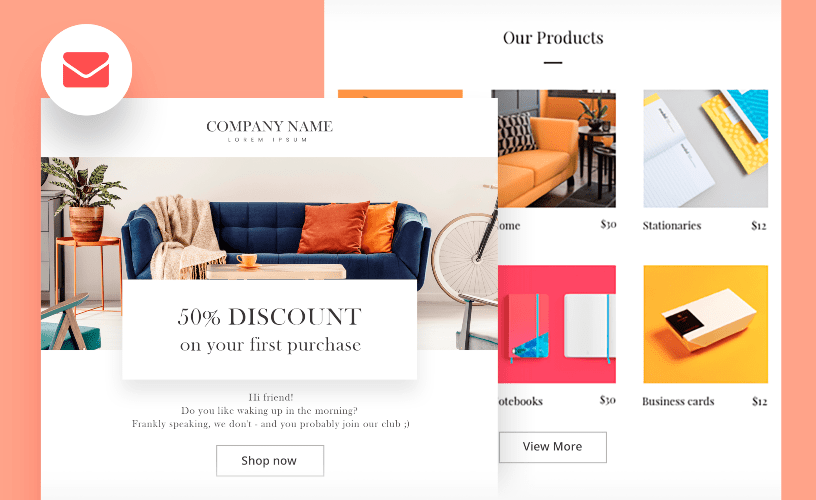
However, balance is key. Don’t make your email 100% images – some email clients block images by default, and text helps with deliverability. Use images to highlight products, break up text, and create visual interest, but make sure your message still makes sense even if images don’t load.
Automation and AI: Your secret weapons in 2026
Email automation is where the magic happens. Automated emails generate 320% more revenue than non-automated ones. That’s because they’re triggered by specific actions, making them incredibly relevant and timely.
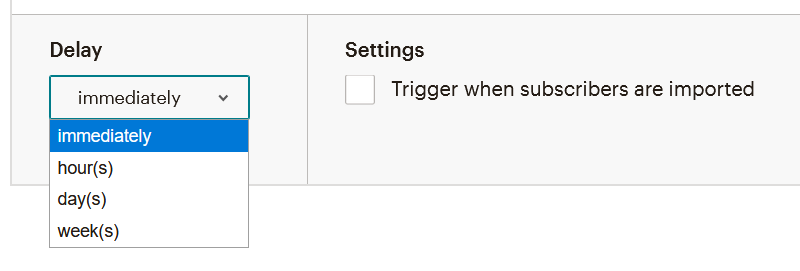
Welcome emails are the perfect starting point. When someone joins your list, automatically send them a warm welcome, set expectations for what they’ll receive, and maybe offer a first-time discount. Welcome emails typically see open rates above 68%, so nail this one.
Cart abandonment emails are goldmines for ecommerce stores. Someone adds items to their cart but doesn’t check out? Send them a friendly reminder. These emails recover tons of lost sales.
Browse abandonment emails work similarly. If someone views a product multiple times but doesn’t buy, you can send them a targeted email highlighting that product or offering help.
Re-engagement campaigns bring back inactive subscribers. If someone hasn’t opened your emails in 60-90 days, send them a “We miss you” campaign with a special offer or ask if they still want to hear from you.
Now let’s talk about AI, because in 2026, it’s everywhere. AI-driven personalization is becoming the baseline, not the innovation. AI can now optimize send times for each individual subscriber, generate subject line variations, create personalized product recommendations, predict which content will resonate, and even write first-draft email copy.
According to recent data, 95% of marketers who use AI for email creation say it’s effective, and 87% report that AI-powered personalization increased their open rates by at least 25%. That’s powerful stuff. However, always review AI-generated content before sending. AI is a tool, not a replacement for human judgment and brand voice.
Personalization: Beyond just using first names
Remember when adding someone’s first name to an email felt personalized? Those days are long gone. In 2026, true personalization means using behavioral data, purchase history, browsing patterns, and preferences to create emails that feel custom-made.
Dynamic content changes based on who’s reading. For example, your email might show different products to different people based on what they’ve browsed. Or it might highlight different benefits based on their industry or role. This is where segmentation and automation work together beautifully.
Personalized emails achieve a 41% click-through rate compared to generic ones. They also generate a median ROI of 122%. But here’s the thing: personalization only works if it’s accurate. Wrong personalization – like calling someone by the wrong name or recommending products they already bought – kills trust instantly. So keep your data clean and your logic tight.
Finding the right sending frequency
How often should you email? It’s one of the biggest questions in email marketing, and honestly, there’s no one-size-fits-all answer. However, data can guide us.
Most consumers want to hear from brands they like at least once a week. About 60% of people appreciate receiving promotional emails weekly, and 38% want them even more frequently. Meanwhile, 15% are cool with daily emails if the content is good.
That said, 51% of people unsubscribe because they get emails too frequently. So balance is everything. Start with one email per week, then adjust based on your metrics. Watch your unsubscribe rate and engagement. If people are opening and clicking, you can probably send more often. If engagement drops, scale back.
Also, consistency matters more than frequency. Whether you email once a week or three times a week, stick to a schedule so people know what to expect.
Creating content that converts (not just sells)
Here’s a golden rule for 2026: don’t make every email a sales pitch. The Pareto Principle works beautifully here. Aim for 80% valuable, educational, or entertaining content and 20% promotional content.
Share tips and how-tos related to your industry. Tell stories about your brand or customers. Highlight user-generated content. Give early access to new products or content. Run contests or giveaways. Ask for feedback or opinions. The more value you provide, the more your subscribers will trust you – and trust drives sales.
When you do send promotional emails, make them count. Clear, compelling offers work best. Limited-time deals create urgency. Exclusive subscriber-only promotions make people feel special. And always, always make your call-to-action crystal clear. Don’t make people guess what you want them to do next.
Deliverability: Making sure your emails actually arrive
You can write the world’s best email, but it doesn’t matter if it lands in spam. Deliverability is critical in 2026, especially as Gmail and other providers have tightened their filtering algorithms.
First, authenticate your domain. Set up SPF, DKIM, and DMARC records. These technical standards prove you’re a legitimate sender. Your email platform can usually help you set these up.
Second, keep your list clean. Regularly remove inactive subscribers and invalid email addresses. High bounce rates hurt your sender reputation.
Third, avoid spam trigger words and excessive punctuation in subject lines. Things like “FREE!!!” or “BUY NOW!!!!!!” scream spam. Write like a human talking to another human.
Fourth, always include an easy unsubscribe link. It’s legally required, and honestly, it’s better for someone to unsubscribe than to mark you as spam.
Finally, warm up new email accounts slowly. If you suddenly start sending thousands of emails from a brand-new domain, providers will flag you. Start small and gradually increase your volume.
Mobile optimization: Don’t ignore this
With 60% of emails opened on mobile devices in 2026, mobile optimization isn’t optional – it’s essential. And get this: 50% of people will delete an email if it isn’t optimized for mobile. That’s half your list, gone, just because your email looked wonky on their phone.
Use single-column layouts that adapt to narrow screens. Make sure your text is readable without zooming – at least 14px font size. Make buttons big enough to tap with a thumb (at least 44px by 44px). Keep your subject lines short since mobile screens show fewer characters. And always, always test your emails on actual mobile devices before sending.
Most modern email platforms handle mobile responsiveness automatically with their templates, but double-check anyway. Send yourself test emails and open them on your phone. If something looks off, fix it.
Testing and analyzing: The real secret to success
Before you hit send on any campaign, test it thoroughly. Check all your links. Make sure images load properly. Review the text for typos. Test how it looks in different email clients (Gmail, Outlook, Apple Mail, etc.).
Send test emails to yourself and at least one other person. Fresh eyes catch things you miss. Once you’ve sent your campaign, the real work begins: analyzing the results.
Track these key metrics consistently:
- Open rate: shows how many people opened your email. In 2026, a good open rate is above 30%, with 45-50% being strong.
- Click-through rate (CTR): measures how many people clicked something in your email. The average CTR is around 2%, but it varies by industry. The click-to-open rate – which shows what percentage of people who opened also clicked – is even more useful. In 2026, it’s averaging 6.81%, up 21% from the previous year.
- Conversion rate: tracks how many people took your desired action (made a purchase, signed up for something, downloaded content, etc.). For ecommerce, email marketing typically sees conversion rates around 2.8%.
- Unsubscribe rate: shows how many people opted out. The average is around 0.1%, so if yours is much higher, something’s wrong.
- Bounce rate: indicates how many emails couldn’t be delivered. Keep this under 2%.
Don’t just collect data – actually use it. If a subject line format performs well, use it again. If certain content gets lots of clicks, create more like it. If Tuesday sends outperform Friday sends, adjust your schedule. Let data guide your decisions.
A/B testing is crucial here. Test one variable at a time – subject lines, send times, images, CTAs, email length, tone – and see what resonates with your audience. Marketers who regularly A/B test see 86% higher returns than those who don’t.
Staying compliant and building trust
Email regulations are tighter than ever in 2026, and for good reason. Privacy matters to people. Follow these rules religiously:
- Only email people who explicitly opted in. No buying lists, no scraping contacts, no adding people without permission.
- Make unsubscribing easy. The link should be obvious and work immediately.
- Include your physical business address in every email. It’s required by law in most countries.
- Honor unsubscribe requests within 10 days (though doing it instantly is better).
- Clearly identify yourself as the sender. No deceptive from names or subject lines.
- Protect subscriber data. Use secure platforms, don’t share lists, and follow GDPR, CAN-SPAM, and other privacy regulations.
- Beyond legal compliance, transparency builds trust. Be clear about what people are signing up for. If you’re using AI to personalize content, consider mentioning it in your privacy policy. Give people control over their preferences – how often they hear from you, what topics they’re interested in, etc.
Building a sustainable email marketing strategy
Great email marketing isn’t about hacks or tricks. It’s about consistently showing up with value, respecting your subscribers, and continuously improving based on what works.
Create a content calendar so you’re never scrambling for ideas. Plan your campaigns around product launches, seasonal events, holidays, and evergreen content. Mix promotional emails with educational content, customer stories, and entertainment.
Build relationships, not just lists. Email marketing works best when subscribers feel like they’re part of a community. Ask for their opinions. Respond to replies. Show appreciation for loyal customers. Make it a two-way conversation whenever possible.
Stay consistent with your brand voice and visual identity. Your emails should be instantly recognizable as coming from you – same colors, same tone, same personality.
Integrating email with your overall marketing strategy
Email doesn’t exist in a vacuum. The most successful brands in 2026 use email as part of a broader omnichannel strategy. Someone might discover you on social media, sign up for your email list, receive a welcome series, see a retargeting ad, and then make a purchase – all connected seamlessly.
Integrate your email platform with your CRM, ecommerce platform, social media, and analytics tools. This creates a unified view of each customer and enables more sophisticated automation.
Use email to support your other marketing channels. Promote your podcast or YouTube channel. Drive traffic to your best blog posts. Announce new social media contests. Build hype for product launches. Email is the hub that connects everything else.
Your Complete Email Marketing Checklist for 2026
Starting your email marketing journey can feel overwhelming, right? That’s why we created this comprehensive checklist to guide you through every essential step. Whether you’re launching your first campaign or optimizing your existing strategy, use this checklist to make sure you’ve covered all the bases.
Strategy and Planning
Platform and Technical Setup
List Building Essentials
Email Design and Content
Subject Lines and Preheaders
Automation Workflows
Personalization and Segmentation
Pre-Send Testing
Compliance and Deliverability
Analytics and Optimization
Ongoing Maintenance
AI and Advanced Tactics (For When You’re Ready)
Pro Tips:
- Don’t try to tackle everything at once – start with the Strategy and Planning section, then work your way through systematically
- Save this checklist and refer back to it regularly to ensure you’re staying on track
- Revisit completed items every few months – email marketing best practices evolve quickly
- Focus on quality over quantity in your list building – 500 engaged subscribers beat 5,000 uninterested ones
- Remember that consistency matters more than perfection – it’s better to send good emails regularly than perfect emails sporadically
This checklist covers everything you need to build and maintain a successful email marketing strategy in 2026. Keep it handy and check items off as you implement them!
Wrapping it all up
Email marketing in 2026 is more powerful than ever, but it requires more thought and strategy than it used to. You can’t just blast generic messages and hope for the best. Success comes from understanding your audience, providing genuine value, leveraging automation and AI smartly, maintaining clean data and deliverability, testing and optimizing constantly, staying compliant with regulations, and thinking long-term about relationships rather than short-term about sales.
The good news? You don’t need to be perfect from day one. Start with the basics – set clear goals, pick a platform, grow your list ethically, and send valuable content consistently. Then layer on more advanced tactics like segmentation, automation, and AI as you gain experience.
Remember, every huge email list started with zero subscribers. Every successful campaign started with someone learning the ropes. With the strategies in this guide and a commitment to continuous improvement, you’re well on your way to building an email marketing strategy that drives real results in 2026 and beyond.
Now go out there and start connecting with your audience. Your first email awaits.
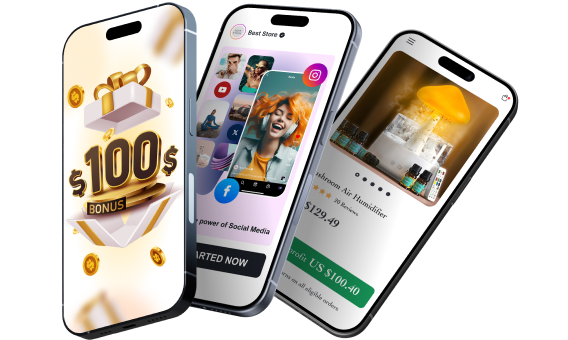
Now that you have a complete roadmap for email marketing success in 2026, it’s time to put it all into action! Launch your free professionally built ecommerce store optimized for capturing subscribers and converting customers. You’ll get access to trending, high-demand products plus cutting-edge marketing tools designed to maximize your campaigns. Plus, claim a $100 voucher for premium business-boosting packages that take your store and profits to the next level!
What are email marketing strategies?
What is the 3 3 3 rule in marketing?
How much is a 1000 email list worth?
What is the 60 40 rule in email?
How often should I send marketing emails in 2026?


Recommended for You