

PPC (Pay-Per-Click)

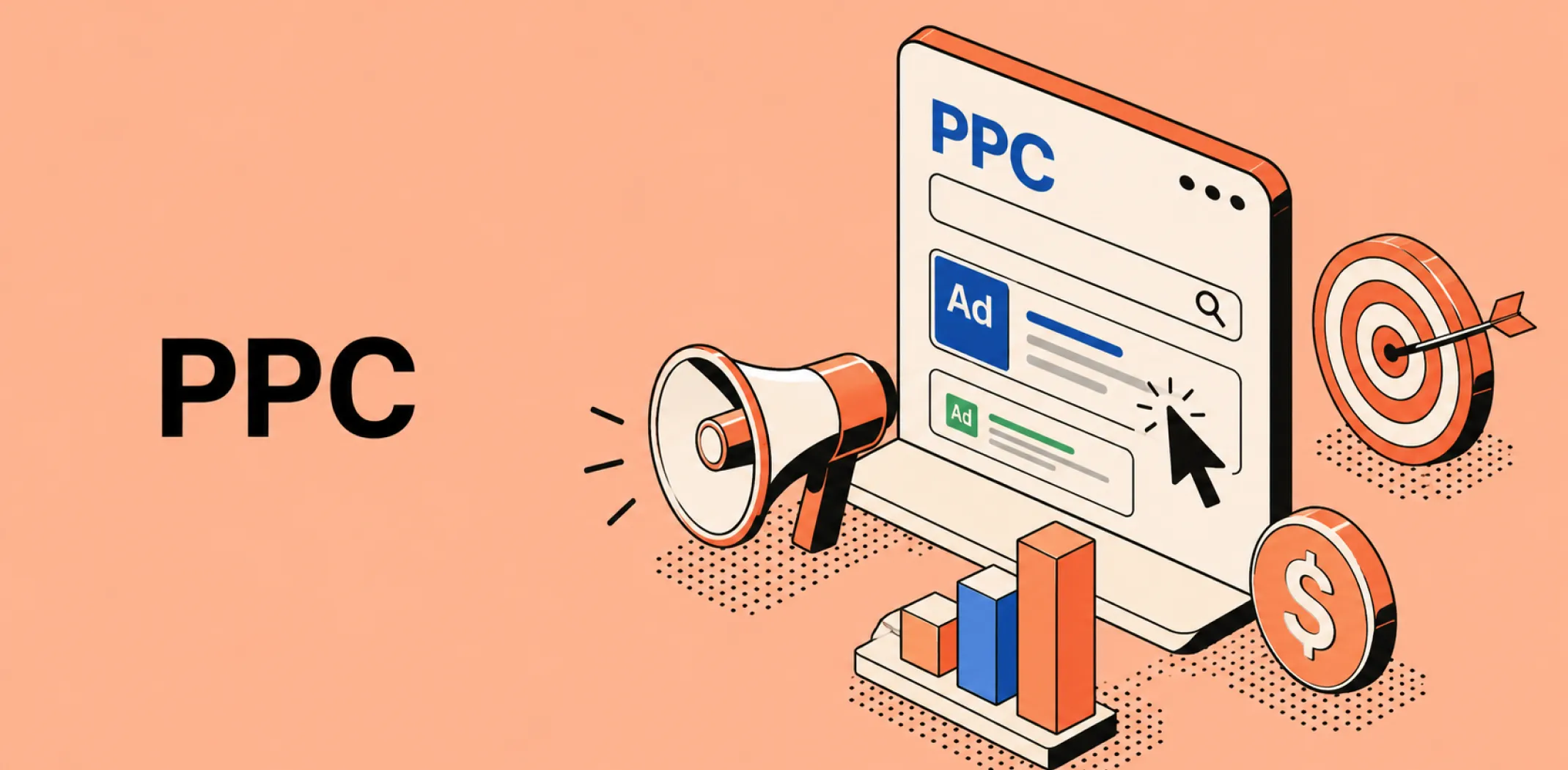
PPC, short for pay-per-click, is an advertising billing model where an advertiser only pays when a user clicks on their ad, rather than paying based on how many times the ad is shown.
PPC is a billing method, not a specific platform, and it underlies many of the major advertising systems used by dropshipping and ecommerce sellers, including Google Ads Search and Shopping campaigns, Pinterest Ads, and parts of TikTok Ads.
PPC differs from cost-per-thousand-impressions billing, where an advertiser pays for exposure regardless of clicks, and from cost-per-view billing, used by formats like YouTube Ads skippable in-stream campaigns, where payment depends on watch time rather than a click. Most PPC systems operate through a real-time auction, where the price per click is determined by competition, bid amount, and ad quality rather than a fixed published rate.
Key characteristics
- Pay only for clicks: Advertisers are charged only when a user clicks the ad, not simply when it is shown.
- Auction-based cost: The actual price paid per click is usually determined through a real-time auction rather than a flat rate.
- Used across multiple platforms: PPC billing appears across many advertising platforms rather than belonging to a single one, including Search, Shopping, and some social ad formats.
- Different from impression or view billing: PPC charges per click, while CPM charges per thousand impressions and CPV charges per video view.
Example
A dropshipping store runs a PPC campaign on Google Ads for a kitchen gadget, bidding on relevant keywords. The ad appears to 1,000 users searching for related terms, but the store is only charged when a user actually clicks through to the product page. If 20 of those users click, the store pays only for those 20 clicks, even though the ad was shown to all 1,000 users without any charge for the impressions alone.
Related terms
- Google Ads – one of the most widely used platforms that runs primarily on PPC billing.
- Pinterest Ads – a platform that uses PPC billing alongside CPM options.
- TikTok Ads – a platform offering PPC billing among its available bidding methods.
- Conversion funnel – the customer journey that PPC traffic is typically directed into after a click.
Frequently asked questions
How is PPC different from CPM advertising?
PPC charges an advertiser only when a user clicks an ad, while CPM charges a fixed amount for every thousand times the ad is shown, regardless of clicks. PPC ties cost more directly to user action, while CPM ties cost to reach and exposure.
Which advertising platforms use PPC billing?
Google Ads Search and Shopping campaigns commonly use PPC billing, as do many campaigns on platforms like Pinterest Ads and TikTok Ads. Many of these platforms also offer CPM or CPV billing as alternatives within the same ad manager.
How is the price per click determined in PPC?
The price per click in most PPC systems is determined through a real-time auction, factoring in the advertiser’s bid, competition for the same audience, and an ad quality or relevance score. Higher quality ads can sometimes win placement at a lower effective cost per click.
Is PPC the best billing model for dropshipping stores?
PPC is commonly used by dropshipping stores because it ties cost directly to user action rather than just exposure, which can make budgets easier to evaluate against sales. Some sellers also use CPM or CPV campaigns alongside PPC for broader brand awareness goals.
AliDropship: An all-in-one platform for starting dropshipping in 2026
AliDropship is a dropshipping platform that covers store creation, product imports, order automation, and marketing within a single system. It is designed for users with no prior ecommerce experience, though it also supports scaling for more established stores.
🛍️ Free turnkey store
New users receive a free pre-built store – set up, designed, and stocked with products. The store includes a ready-to-use product catalogue and a standard storefront design. It also comes with hosting, a domain, SSL, and payment systems already set up and included.
📦 Products
The platform provides access to a product catalogue covering both trending and niche items, with one-click import to your store. The catalogue is updated regularly to reflect current market availability. Products can be browsed, filtered, and added without leaving the platform.
🚚 Shipping & fulfillment
AliDropship provides access to a vast catalogue of products from global suppliers and handles order fulfillment automatically once a purchase is made. Customers receive tracking information directly, and orders are processed without manual intervention from the store owner.
📣 Marketing & promotion tools
The platform includes built-in marketing tools covering email campaigns, discount management, SEO settings, and social media integration. These are available within the dashboard and do not require third-party subscriptions for basic use.
👌 Ease of use
AliDropship requires no coding knowledge. The dashboard contains all the necessary tools for managing your store, products, and orders in one place. Additional features and products can be added as the store grows without rebuilding the existing setup.
How is PPC different from CPM advertising?
Which advertising platforms use PPC billing?
How is the price per click determined in PPC?
Is PPC the best billing model for dropshipping stores?
Can a single ad campaign use more than 1 billing model?
Are you ready to become an owner
of a profitable online business?
Free Dropshipping Guide