

Google Ads

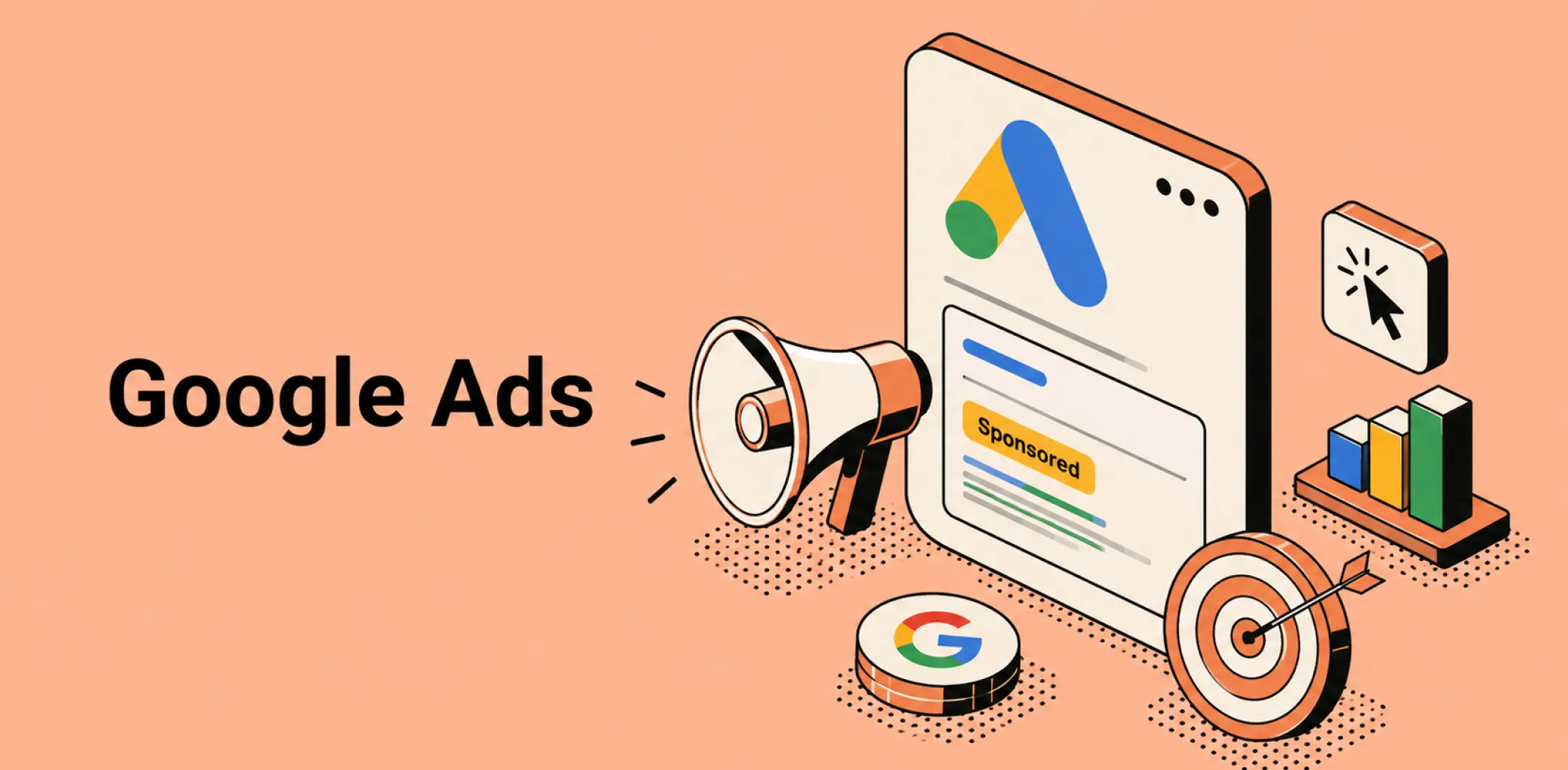
Google Ads is the advertising platform and auction system used to run paid campaigns across Google Search, Shopping, Display, and YouTube, allowing businesses to bid on placements that appear to users searching or browsing relevant content.
Campaigns are managed through the Google Ads platform, where advertisers choose a campaign type, such as Search, Shopping, or Performance Max, set targeting, and define a daily budget. Google Ads has no official minimum spend; campaigns can technically run on just a few dollars a day, though a budget that is too low often fails to generate enough clicks for reliable optimization.
For dropshipping and ecommerce sellers, Shopping campaigns are commonly used since they display product images and prices directly in search results, pulling from a connected product feed rather than relying on keyword-only text ads.
Because most Google Ads campaigns charge per click rather than a fixed rate, the actual cost of running them directly affects a product’s profit margin once ad spend is factored into total expenses.
Key characteristics
- Auction-based pricing: Ad cost is determined through a real-time auction combining bid amount and Quality Score, rather than a fixed published rate.
- No official minimum budget: Google Ads allows campaigns to run on very small daily budgets, though low budgets often limit how much optimization data a campaign can collect.
- Multiple campaign types: Search, Shopping, Display, and YouTube each have distinct cost structures and serve different stages of the buying journey.
- Feed-based Shopping ads: Shopping campaigns pull product data from a connected feed rather than relying on manually written keyword ads.
Example
A dropshipping store running a Shopping campaign for a kitchen gadget sets a daily budget of 30 dollars. With an average cost-per-click of around 1 dollar for the ecommerce category, the campaign can generate roughly 30 clicks per day to the product page. The store reviews conversion funnel performance weekly, increasing the budget if the cost-per-click stays affordable relative to the product’s profit margin.
Related terms
- Conversion funnel – the customer journey that Google Ads traffic is typically directed into.
- Ecommerce – the broader retail category in which Google Shopping campaigns are commonly used.
- Profit margin – the profitability measure directly affected by Google Ads spend.
- Pricing strategy – a related decision area that must account for advertising costs when setting product prices.
Frequently asked questions
Is there a minimum budget required for Google Ads?
Google Ads has no official required minimum budget, and campaigns can technically run on just a few dollars per day. In practice, a budget too low to generate a meaningful number of clicks often struggles to produce useful optimization data.
How does Google Ads pricing work?
Google Ads pricing works through a real-time auction where advertisers bid on keywords or placements, with actual cost per click determined by competition and Quality Score. Most Search and Shopping campaigns charge per click, while some Display and video formats charge per impression or view.
What is the difference between Search ads and Shopping ads?
Search ads are text-based and triggered by keywords typed into Google, while Shopping ads display product images, prices, and titles pulled from a connected product feed. Shopping ads are generally better suited to ecommerce stores selling physical products.
How much does it typically cost per click on Google Ads for ecommerce?
Ecommerce campaigns tend to have some of the lowest average costs per click on Google Ads compared to other industries, often around 1 dollar or less for Search and under 1 dollar for Shopping. Actual cost varies by product category, competition, and targeting.
AliDropship: An all-in-one platform for starting dropshipping in 2026
AliDropship is a dropshipping platform that covers store creation, product imports, order automation, and marketing within a single system. It is designed for users with no prior ecommerce experience, though it also supports scaling for more established stores.
🛍️ Free turnkey store
New users receive a free pre-built store – set up, designed, and stocked with products. The store includes a ready-to-use product catalogue and a standard storefront design. It also comes with hosting, a domain, SSL, and payment systems already set up and included.
📦 Products
The platform provides access to a product catalogue covering both trending and niche items, with one-click import to your store. The catalogue is updated regularly to reflect current market availability. Products can be browsed, filtered, and added without leaving the platform.
🚚 Shipping & fulfillment
AliDropship provides access to a vast catalogue of products from global suppliers and handles order fulfillment automatically once a purchase is made. Customers receive tracking information directly, and orders are processed without manual intervention from the store owner.
📣 Marketing & promotion tools
The platform includes built-in marketing tools covering email campaigns, discount management, SEO settings, and social media integration. These are available within the dashboard and do not require third-party subscriptions for basic use.
👌 Ease of use
AliDropship requires no coding knowledge. The dashboard contains all the necessary tools for managing your store, products, and orders in one place. Additional features and products can be added as the store grows without rebuilding the existing setup.
Is there a minimum budget required for Google Ads?
How does Google Ads pricing work?
What is the difference between Search ads and Shopping ads?
How much does it typically cost per click on Google Ads for ecommerce?
How long does it take to see results from Google Ads?
Are you ready to become an owner
of a profitable online business?
Free Dropshipping Guide