Halloween 2026: Start An Online Store Without Hunting For Products

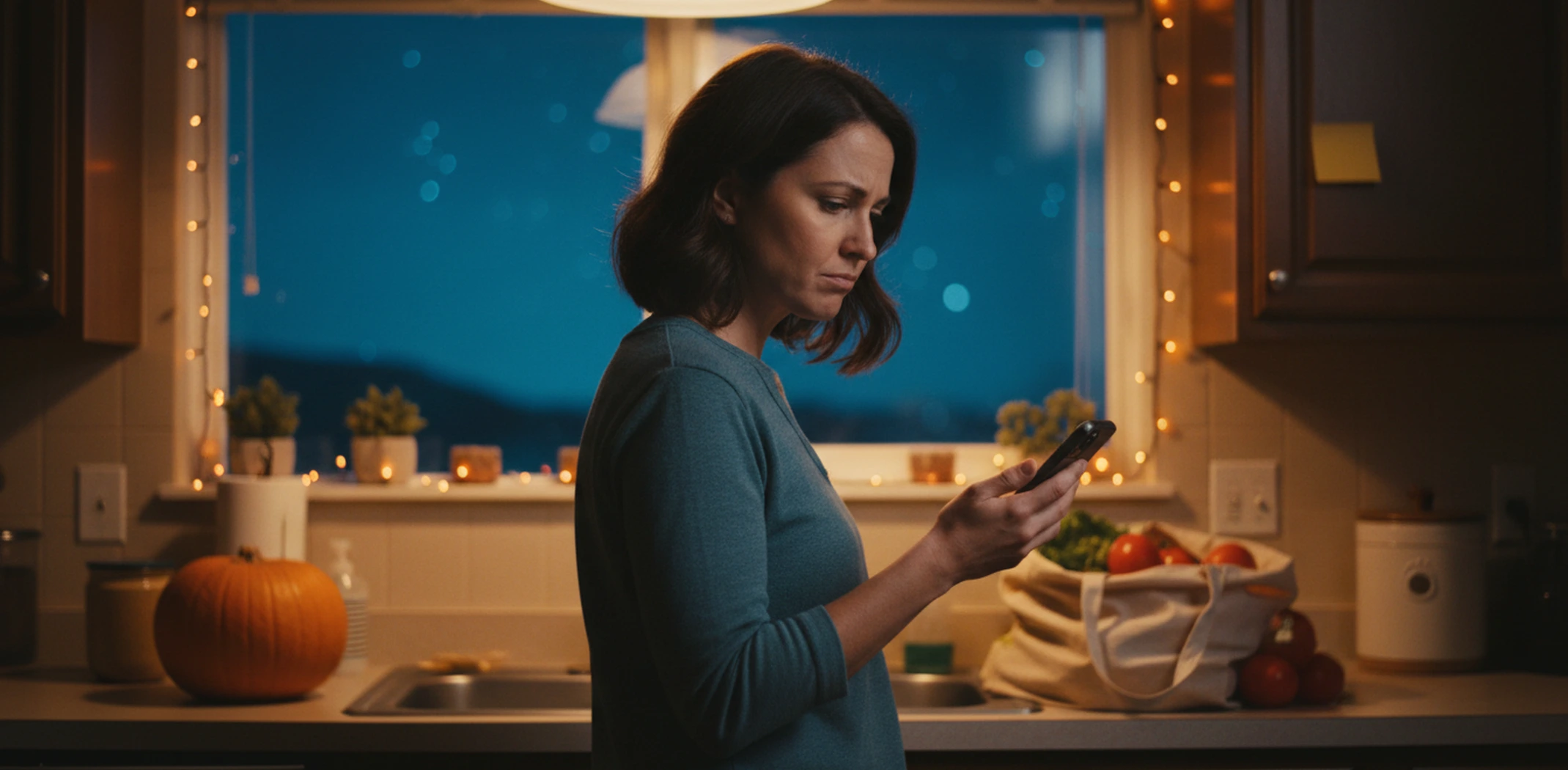
It’s 11:40pm on October 30th. Somewhere in Ohio, a woman has just realized she’s hosting 14 people tomorrow night and has nothing planned. She’s on her phone. In the next 6 minutes she’s going to buy something, and whatever it is, it has to work tonight.
Right now, that money ends up with somebody else. It doesn’t have to. Halloween is 42 days away, and 42 days is more than enough time to have a store of your own open by the time she starts typing.
$13.1 billion, and nobody needs talking into it
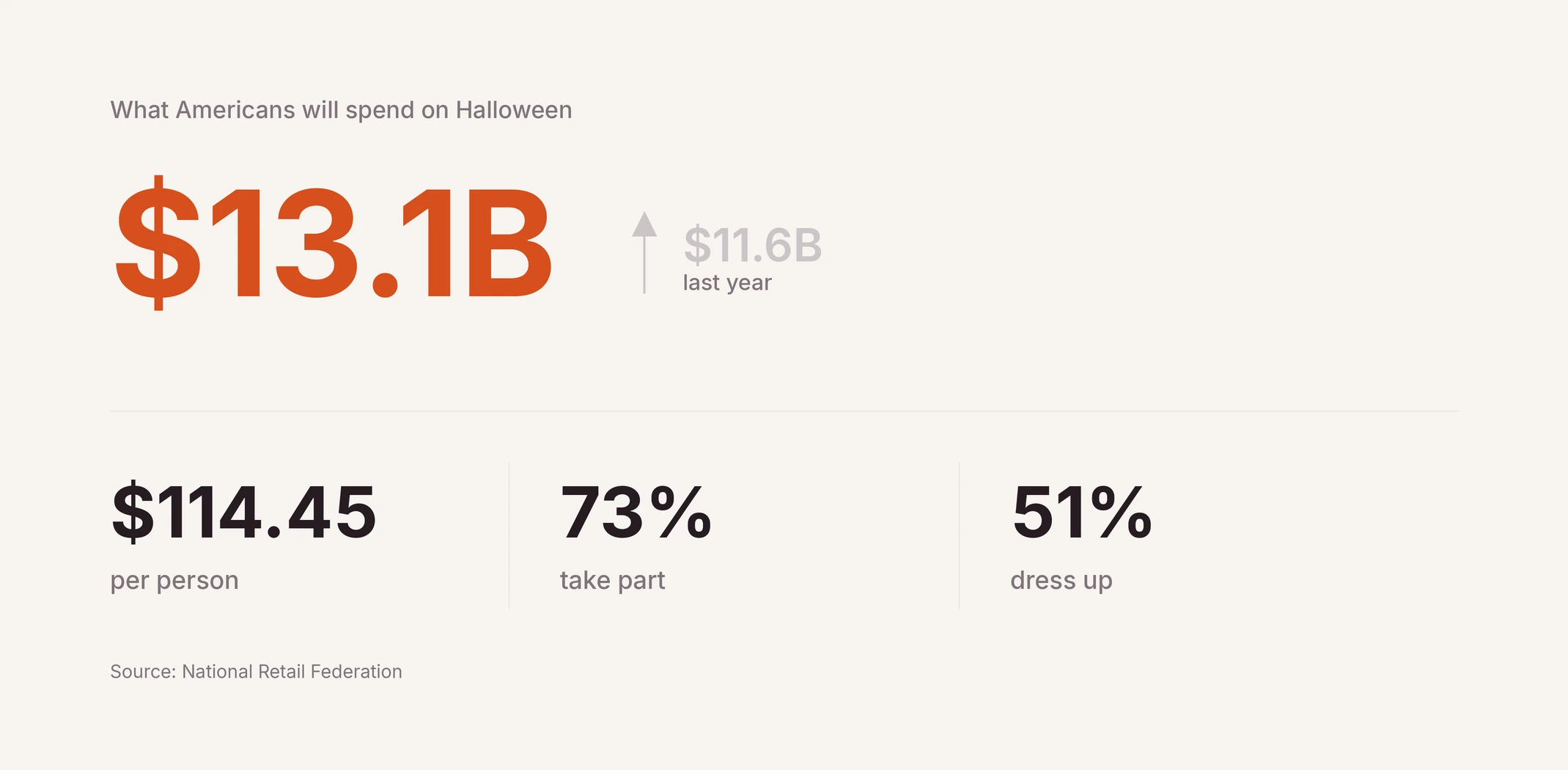
That’s how much Americans spent on Halloween last year – a record, up from $11.6 billion the year before. Per person, it came to $114.45, another record. 73% of the country takes part in some way.
Break it down and it gets more interesting. 51% dress up. 51% decorate their homes. 1 in 3 throws a party or goes to one, and the pet costume crowd gets bigger every year.
Two more numbers worth knowing before you read on.
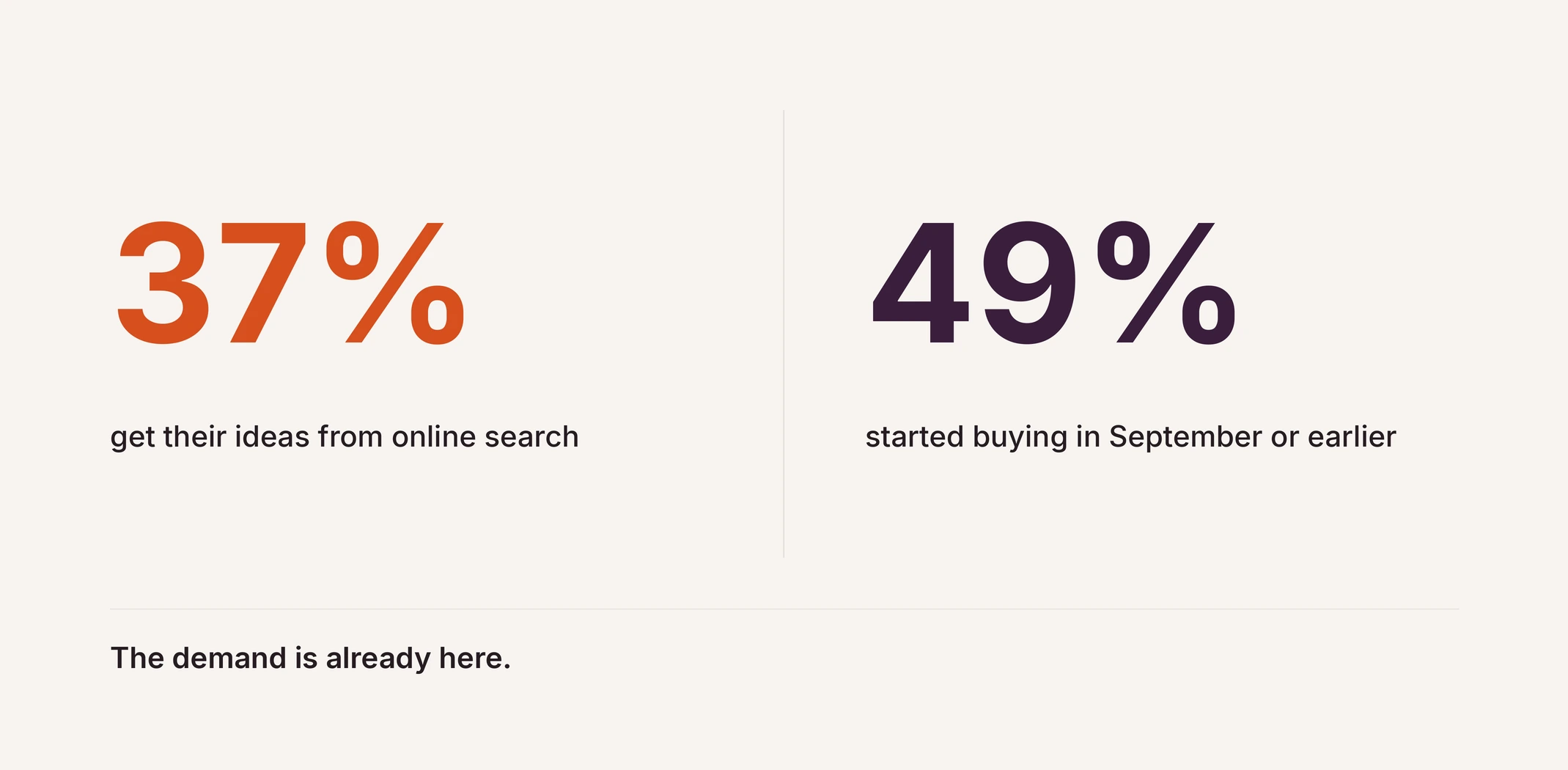
37% of Halloween shoppers say online search is where their ideas come from. Not shops, not friends – they Google what they need and buy from whoever shows up.
49% had already started buying in September or earlier. This demand isn’t on its way. It’s already here.
And this year, the 31st falls on a Saturday. No school night, no early alarm, so parties run later and more adults actually commit to a costume. It’s the version of Halloween retailers hope for.
So why doesn’t everyone do this?
Usually for one of three reasons. All three used to be good ones.
“I’ve got nothing to sell”
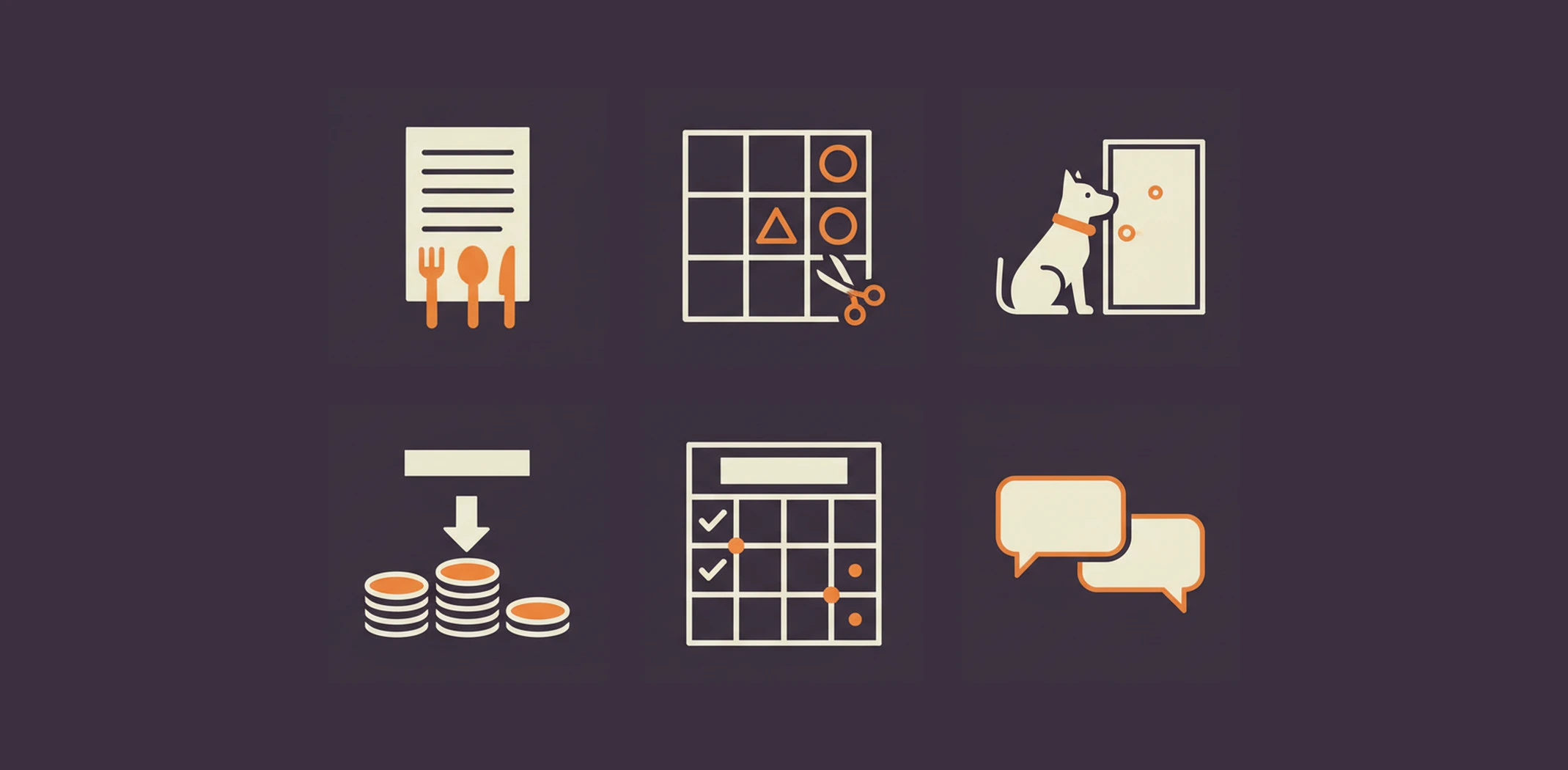
You’re not sourcing anything. The store arrives stocked with AI toolkits – products where a customer answers a few questions and gets something personal back within minutes.
8 categories, an average price of around $32, and every listing comes with its description, pricing, and positioning already written. Here’s what that looks like during Halloween week:
- Hosting and home. Menus, decoration plans, games that hold attention for more than 10 minutes, a running order for the night. Hosts buy late, and they buy anxious.
- Parents. Class party ideas, rainy-afternoon activities, non-candy alternatives for the neighbors who’ve cut out sugar.
- Pets. Costume ideas, plus the practical side – a doorbell ringing every 90 seconds for 3 hours is tough on a nervous dog, and owners go looking for help with that.
- Money. Halloween is the first bill of an expensive quarter. Budget plans for the stretch to Christmas sell well to someone who’s just looked at the decoration receipt.
- Health. Candy season starts here and doesn’t let up until January.
- Confidence and social. Costume parties are full of people who’d rather be at home. Conversation help does quiet, steady business all through party season.
Pick whichever one bores you least, or let your manager point you toward where the demand actually is.
“There’s no way I’d get anything shipped in time”
Right. That’s exactly why you won’t be shipping.
Halloween is harder on physical sellers than almost any other holiday, because the whole thing hinges on one date. A costume that shows up November 2nd isn’t late – it’s worthless, and you swallow the refund. Whatever doesn’t sell by the 31st sits in a box for 11 months, hoping the design still works next year.
Digital products sidestep all of it. Our woman in Ohio pays at 11:43pm and has what she needs before she closes the tab. Nothing to mail. No cutoff to miss. Nothing left over on November 1st, and no way to run out of stock when a one-day holiday spikes.
Then there’s the margin. The digital catalog runs at 60–70% profit, so you can put out an offer that genuinely tempts people and still keep most of what comes in.
“I don’t know how any of this works”

Neither did most of the 1.5 million people who’ve launched a store on this platform.
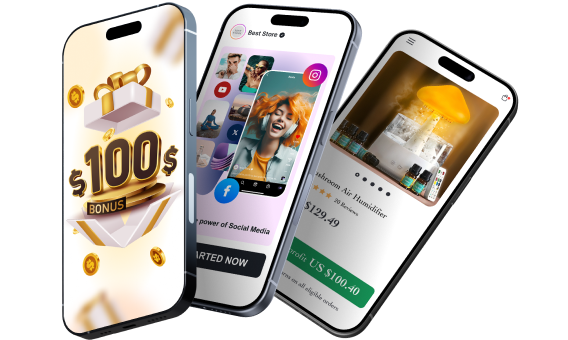
The site itself is built for you – designed, hosted, mobile-ready, stocked, and live in about 60 seconds. From there you get a manager who helps you pick a niche and get moving, round-the-clock technical support, and the Marketing Academy if you’d rather learn the promotion side than guess at it.
There is a learning curve, but it’s measured in evenings, not months.
What the next days actually look like
Vague urgency doesn’t help anyone, so here’s the calendar in plain terms:
- Today. Claim the store and answer a short survey about niche and design. Roughly a minute of work.
- This week. Get in, look around, book the free consultation. Get your first products live and your first few posts out. You’re not trying to impress anyone yet, just to be visible. Your 14-day trial covers all of this.
- October 26–31. Halloween week. Your first real sales window, with buyers arriving in a hurry and in a spending mood.
- Early November. Look at what people clicked and what they skipped, then push harder on the winners. This part only comes from starting before the big rush.
- November 27 and 30. Black Friday, then Cyber Monday – which moved $14.25 billion in 24 hours last year. You walk in having already run a store for more than a month.
That last point is the real argument. Halloween is a rehearsal with actual money on the table. Nobody has a great Cyber Monday in their first week of trading, and October is how you make sure it isn’t your first week.
Two people who started exactly where you are

Rodney now runs two stores. Ask him what changed and he doesn’t start with the money – he talks about not working for “the man” anymore, which is a sentence most people say with a lot of feeling.

Miandra, over in New Zealand, put it better than any of our marketing ever has. She said it felt less like buying a business and more like buying a lifestyle.
Neither of them came in as an expert. That’s the part worth taking away – not their numbers, which are theirs and not a forecast for yours, but the fact that both started as complete beginners with a store that was already built. Everyone’s path looks different, and results depend entirely on the work you put in.
The price, plainly
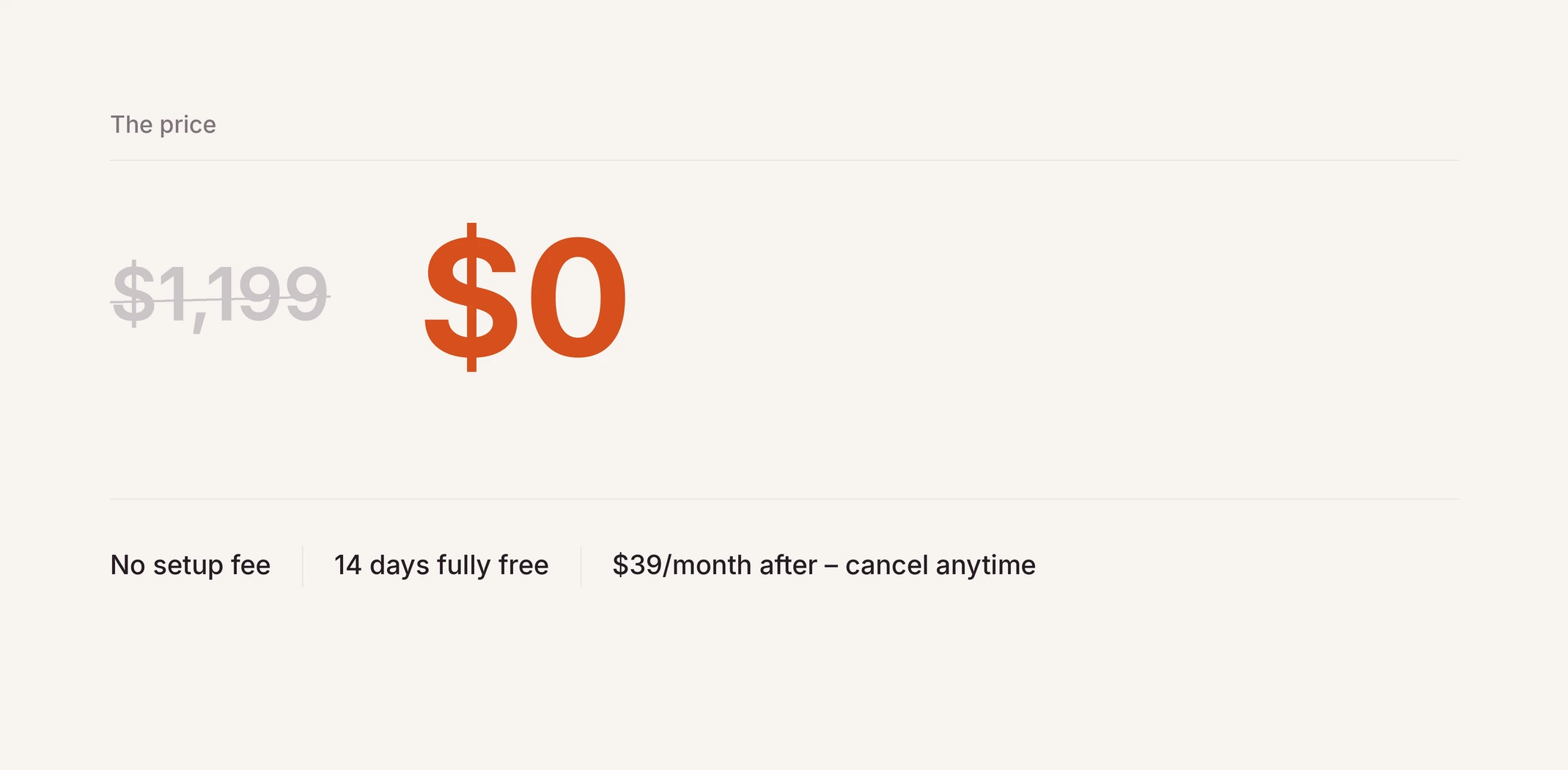
The store is valued at $1,199. You pay $0 to get it and $0 to launch it – no setup fee. There’s a 14-day free trial, then it’s $39/month.
It’s worth being precise about that trial, because “$0 now, $39 later” is where most people start hunting for the catch. The 14 days are genuinely free, so you can understand what you’re getting.
Reach day 14, decide it isn’t for you, cancel, and you’ve paid nothing at all. The subscription only starts if you let the trial run out, and you can cancel that whenever you like too. No contract, no minimum term, nobody to argue with on the phone.
The manager, the 24/7 support, and the Marketing Academy are all included in that $39. None of it is an upsell waiting further down the page.
Why people trust AliDropship?
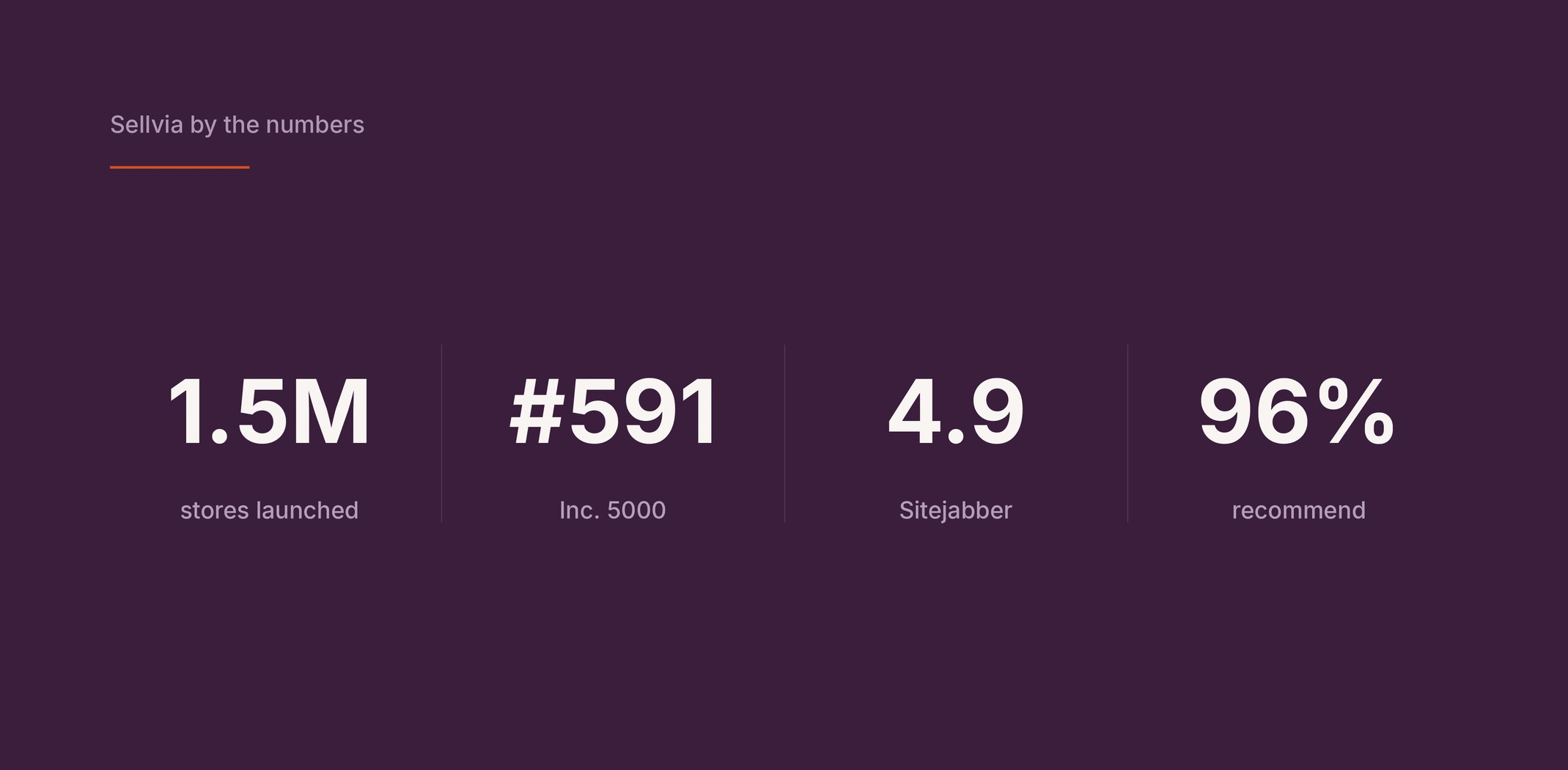
AliDropship has been covered by Forbes, Inc., Entrepreneur, the Associated Press, and Yahoo. It placed #591 on the 2026 Inc. 5000 list of America’s fastest-growing companies and was named among G2’s best commerce software products. Ratings sit at 4.9 on Sitejabber, 4.8 on G2, and a 96% recommendation rate on Facebook.
Nobody here is going to put a number on what you’ll earn, and you should be wary of anyone who does. That comes down to the work and the marketing you put in. What’s being handed over is the setup – a finished store, a stocked catalog, and a date close enough to actually aim for.
Somebody is going to sell to her on the 30th

Back to Ohio. 11:40pm, 14 guests, no plan. She’s going to find someone. On a night like that she’ll find dozens of someones – and so will millions of people just like her.
The only real question is whether one of those stores is yours – and sorting that out takes about a minute.
60 seconds to set up. 42 days to find your feet. 1 busy Saturday at the end of October, and a much bigger weekend 4 weeks later. Claim your free store and get going 📊


Recommended for You