Two Years Of Ideas, Zero Dollars: The One Person Business Ideas That Finally Paid

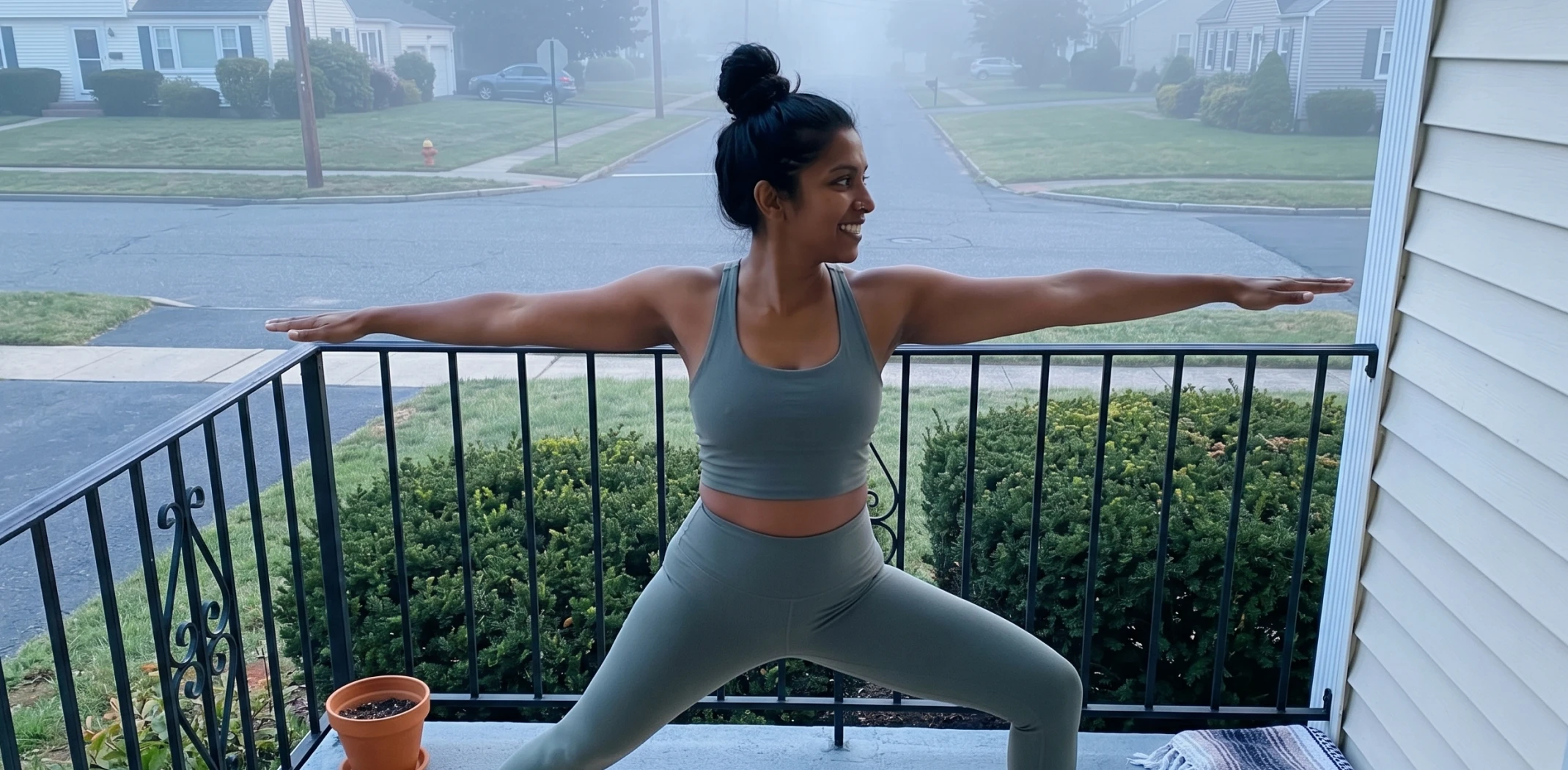
Lina Patel had a notebook full of one person business ideas and not one of them had ever earned a dollar. Two years of “maybe I should start something,” dozens of saved videos, three half-built logos – and every Sunday night the same quiet feeling that she was good at her work but going nowhere with it.
Lina is 34, a graphic designer on salary at a marketing agency in Columbus, Ohio. She is genuinely talented – the kind of person friends ask to “just quickly fix” their flyers and websites. The problem was never the skill or even the ambition. It was that every idea stayed an idea: too many options, no clear offer, and no first customer to make any of it real.
The night it changed, she stopped collecting ideas and started a plan instead. Five short questions later she had a single offer to sell, a day-by-day month to launch it, and a way to land the first client. Thirty days after that, her first invoice cleared. Here is the order she did it in.
Why most one-person business ideas never make a dollar
A good idea is not a business. The reason a list of “one person business ideas” rarely turns into income is not a lack of ideas – it is the gap between a skill you have and one specific offer a real person will pay for, this week.
Read together, the numbers say the opposite of what the “quit and go all in” advice does: millions of people already run a one-person business, most failures come from building something nobody wanted, and the survivors are the ones who started small and proved demand first. The skill is not having more ideas – it is turning one into an offer and testing it fast.
Lina was not short on talent or drive. What she did not have was a way to go from “I am good at design” to “here is the $600 thing I sell, and here is who buys it” – and the endless choosing was quietly convincing her she was not cut out for it.
Like a lot of skilled people, Lina kept waiting to feel ready. What she actually needed was a smaller first step: one offer, one customer, one month – not a grand business plan she would never finish.
What Lina tried first – and why none of it shipped
Before the month that finally worked, there were two years of doing what the internet recommends:
Collecting “business ideas” lists
Dozens of saved posts and videos. Every list added options; none told her which one to pick or what to actually sell. More ideas, more paralysis.
Building the brand before the offer
A logo, a name, three Instagram drafts – months of polishing a storefront for a business that had no product to sell and no one to sell it to.
Waiting until she “felt ready”
Ready never came. Without a deadline and a daily step, the side business stayed a someday-project while the salary years ticked by.
Every approach assumed the missing piece was a better idea or a nicer brand. None of them answered the real question: what is the one thing I can sell, who buys it, and what do I do tomorrow morning to get the first one?
I did not have an idea problem. I had a shipping problem. The first time something turned my skill into one offer and handed me a day-by-day plan, I stopped researching and actually started.
The 4 things the plan built from Lina’s answers
She answered five quick questions – her strongest skill, the kind of business that appeals to her, her weekly hours, her comfort with tech, and what she wanted out of it. A few minutes later she had four things, all built around the life and skill she already has:
It cut two years of dithering down to one decision. The offer was obvious once it was written down, and the daily plan meant I always knew the next step instead of staring at a blank page.
The first move the plan flagged was the smallest: write the one offer and send it to five people who already knew her work. No new skill, no logo, no audience – just a clear thing to sell and the first five people to ask.
From a list of ideas to a paying client: Lina’s first 30 days
The plan ran like a focused month – validate, build, reach out, sell. One task a day, around a full-time job.
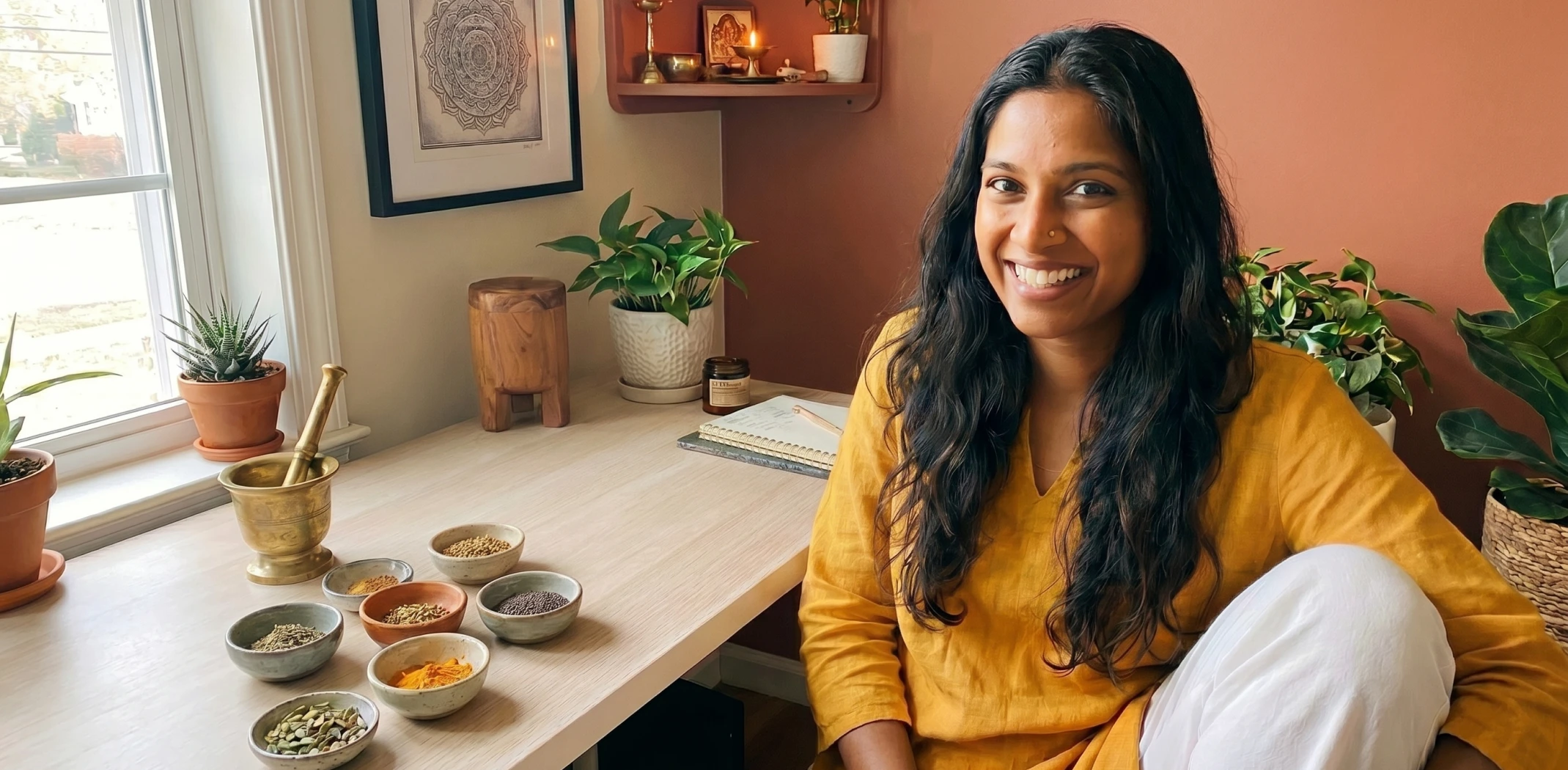
A first client is not just $600. It is proof the skill is a business. The second and third clients came from the same offer and the same scripts – now Lina had a repeatable thing to sell, not a notebook of maybes.
Why “just pick an idea and hustle” never works
There is a reason so many talented people stay stuck at the idea stage. It is not laziness – it is that “pick an idea and hustle” skips the two hardest parts: which offer, and which customer. Without those, more hustle just means more half-finished projects. The win comes from one validated offer and a daily plan, not from working harder on everything at once.
The other options are not useless – a course teaches theory, a coach gives feedback. But none of them hand a specific person one offer, a price, a daily plan, and the scripts to land the first client. That last mile is the whole job.
What if I do not even have a business idea yet?
That is exactly who the plan is for. You do not need an idea – you need a skill, and almost everyone has one they already use for free. The Idea-to-Offer Converter reads your strongest skill, your time, and your goal and proposes the offer for you, then the 30-day plan turns it into a first client. The blank-page part is the part it removes.
What other solopreneurs did with the same plan
Lina’s pattern is common: the skill was there, the drive was there – only the offer and the first customer were missing.

“I had been “going to start” a woodworking side business for three years. The plan made me pick one offer – custom cutting boards – priced it, and gave me a 30-day list. First paid order in week three, and I have not run out of work since.”
Greg Whitfield · woodworker, Portland OR

“I teach dance and always thought “one person business ideas” meant something complicated. The plan turned my skill into small-group online classes, set the price, and handed me the outreach. I filled my first cohort in a month.”
Yumi Watanabe · dance instructor, Vancouver BC
Beyond the first offer, Solopreneur Launch 30-Day Plan includes the pricing & packaging guide, the imposter-syndrome and fear-of-charging fix, the first-client outreach scripts, and the day-by-day calendar. One purchase, and you can re-run it for the next offer as your business grows.
Different skills, different cities, the same first move: stop collecting ideas, turn one skill into one offer, and follow a daily plan to the first paying client.
One person business ideas: the 5-step launch playbook
If you are stuck at the idea stage, here is the order that breaks the loop – the same one the plan walks you through:
Start from a skill, not an idea list
Pick the thing people already ask you to do. A business built on a skill you have beats a trendy idea you would have to learn from scratch.
Convert it into one specific offer
Name what you sell, who it is for, and what it costs. “Brand-refresh package for local service businesses” beats “I do design” every time.
Price it before you feel ready
Set a real price using a simple package, not a number you talk yourself down from. First pricing is a decision, not a feeling.
Find the first client in your warm circle
No ads, no audience. The first customer almost always comes from people who already know your work – you just have to make the ask, with a script.
Work one daily task for 30 days
A month of one small step a day beats a weekend of grand planning. The deadline plus the daily task is what turns the idea into an invoice.
Lina did not work more hours than before – she worked in order. One skill, one offer, a real price, a first client from her warm circle, and one task a day for a month. That sequence is open to anyone tired of collecting ideas.
That is the whole idea of a 30-day launch: stop choosing between ideas, turn one skill into one offer, and follow a daily plan until the first client pays.
Turn one skill into a business in 30 days – the same five-minute plan Lina used to swap two years of ideas for a first paying client.
*Individual results may vary.
What are the best one person business ideas in 2026?
How do I pick one business idea and actually start?
How much money do I need to start a one-person business?
How fast can I get my first paying client?
Do I need an audience or social following first?
What if I have a skill but no business idea?


Recommended for You