How To Teach Kids Patience With Money: A Dad, A 7-Year-Old And A $25 Goal

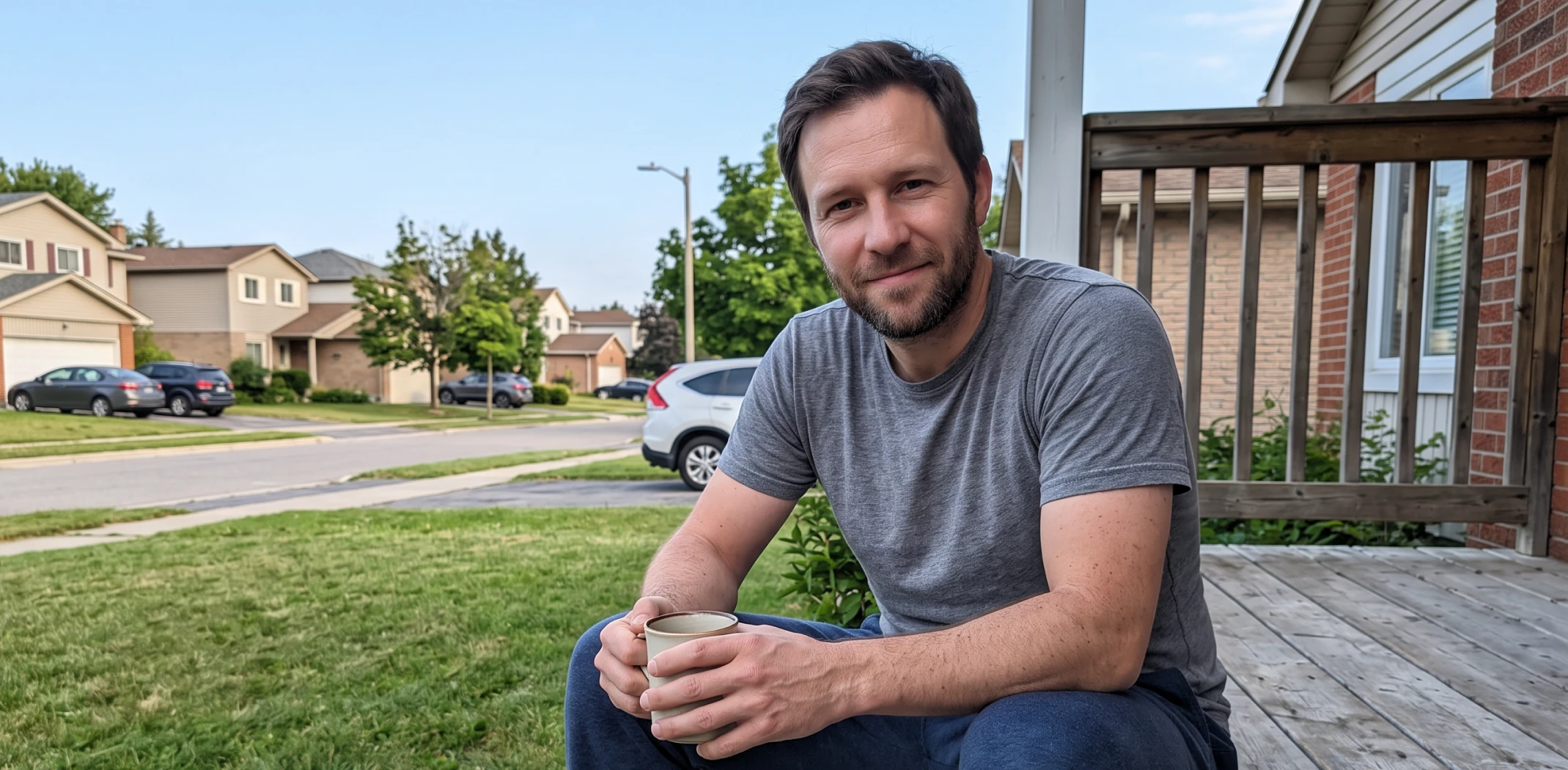
Brian, 38, is an HVAC technician in Des Moines, Iowa. His son Dylan is 7. For a year, every trip to the store went the same way: “Can I have this?” at the checkout, a no, and tears in the parking lot.
Brian tried paying Dylan for chores. A dollar to make his bed, a dollar to clear his plate, a dollar to feed the dog. It backfired. Soon Dylan would not do anything without asking “How much?” first. And every dollar he earned was gone at the dollar store by Saturday.
Brian was not doing it wrong because he did not care. He just had no system. Paying for everything taught the wrong lesson, and nothing in it taught Dylan how to wait.
Why it is so hard to teach kids patience with money
For kids, money is almost invisible. Things appear after a tap or a swipe, so waiting makes no sense to them. Most parents start an allowance with a good idea: teach kids that money is earned. But if every small task has a price, kids learn to ask for money before they help. And if there is no plan for saving, the money goes as fast as it comes. The allowance becomes a weekly candy budget, not a lesson.
A coworker with three kids told Brian what worked in his house. That weekend Brian tried a kids money course built around your child’s age and habits.
A few questions and a plan made for a 7-year-old
The course asked about Dylan: his age, how he learns best (games and anything with points), the current allowance setup (a dollar per chore), and the biggest problem (spends right away, begs in stores). Brian also picked what to teach first: patience and saving.

What his plan included
a small weekly allowance, family chores that are not paid, and a short list of extra jobs that earn money. Part of every payment goes to saving.
one theme each week: needs and wants, earning, saving for a goal, and making choices. Each lesson takes about 10 minutes.
a pretend store at home, a savings chart to color in, and small challenges with points. No lectures.
simple scripts for the checkout moment, for when he spends too fast, and for when he gets upset.
Their new rule, written on the fridge: $3 every Sunday. One dollar to spend, two for the savings jar. Raking leaves or washing the car earns extra.
How Brian taught his son patience in four weeks
Week 1 · Needs and wants – a sorting game with pictures cut from a store flyer. Dylan put candy in “needs” once, then laughed and moved it.
Week 2 · Earning – making his bed became a family job again, with no pay. Washing the car with Dad earned $2, and Dylan was proud of it.
Week 3 · A goal – Dylan picked a $25 remote control truck. He drew it on his savings chart and colored a box for every dollar.
Week 4 · Choices – at the store he wanted a toy for $4. Brian used the script: “You can buy it with your money. Then the truck takes longer. You choose.” Dylan put it back.
That moment at the store was the turning point. For the first time, the “no” came from Dylan, not from his dad.
What changed at home and at the store
The checkout fights did not stop overnight, but they became rare. Dylan now asks “Is this a want?” before Brian can say it. And because the basic chores are not paid, he stopped asking “How much?” to clear his plate.
- Give a small, regular allowance
- Keep family chores unpaid
- Pay for real extra jobs
- Help your child pick one goal
- Let them choose, and live with the choice
- Paying for every small task
- Allowance with no saving part
- Long lectures about money
- Buying the thing to stop the tears
- Rescuing them from every choice
Six weeks after they started, Dylan had $25. He counted it twice on the kitchen table, then they went to buy the truck together. He paid at the register himself.

What it costs next to other options
Brian looked at a few ways to teach his son about money. Here is how they compare.
| Option | Cost | What you get |
|---|---|---|
| Figuring it out as you go | Free | Rules that change every week |
| Kids money books | About $10 to $20 each | Good stories, no plan for your child |
| A kids money app with a fee | Monthly fee | Screens and tracking, less talking together |
| Kids Financial Literacy Course | $19 | A 4-week plan for your child’s age, allowance rules, games, parent scripts and printables |
“Should I pay my kids for chores?” Many families do a mix, like Brian. Chores that keep the home running are part of being in the family and are not paid. Real extra jobs, like washing the car, can earn money. That way kids learn both: helping at home and earning for work.
Two more parents who found a system

“My daughter is 5, and I thought she was too young. The plan used pictures and a pretend store with real coins. Now she knows a quarter is worth more than a dime, and she loves to play shop.”
Molly D. · dental assistant, Aurora CO

“My 10-year-old spent his birthday money in one afternoon and then cried about it. The scripts helped me stay calm and not fix it for him. Next time he kept half, all on his own.”
Kelsey P. · pharmacy tech, Rochester NY
For a very first money guide for little ones, see Child’s First Money Guide. Every child is different, and results vary.
Brian did not need to say no more often. He needed a system that let Dylan say no for himself. That is how to teach kids patience: give them their own money, one goal and the choice. A small allowance, unpaid family chores, one goal and four short weeks did that.
*Individual results may vary.
How do I teach my kids patience with money?
How much allowance should a child get?
Should kids get paid for chores?
At what age should kids get an allowance?
How do I stop my child from asking for things at the store?
How can I teach my child to save?


Recommended for You