How To Start A Photography Business On Weekends After Six Years Of Free Photos

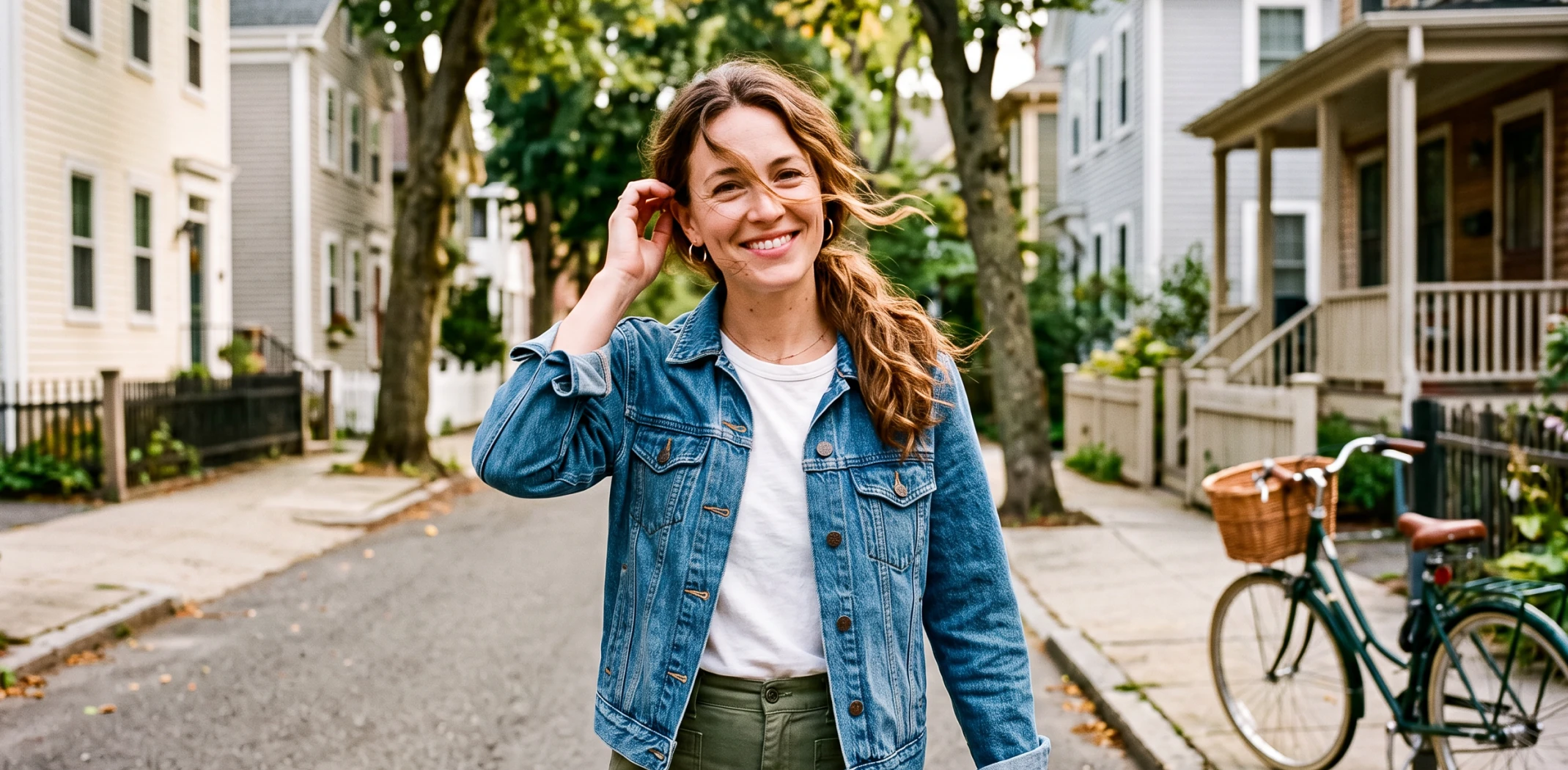
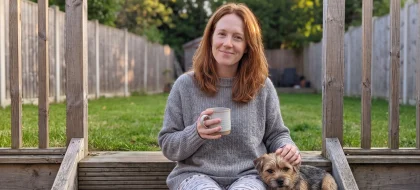
Holly wanted to know how to start a photography business without quitting her job. For six years she had taken photos for free: birthday parties, family pictures in the park, a friend’s new puppy. Everyone loved the results, and everyone said the same thing: you should charge for this.
She works at the front desk of a dental office in Grand Rapids, Michigan. An extra $300 a month would cover her car payment. But every time she thought about asking for money, she froze. Was she good enough? What would she even charge? Who would pay?
The skill was there. What was missing was a plan: what to sell, how much to ask and where to find the first client. Without that, “someday” had lasted six years.
Why good hobby photographers stay unpaid
Most people with a strong hobby never earn from it. Not because they lack talent, but because the first steps feel unclear and a little scary. Selling feels awkward. Prices feel like a guess. And free favors for friends slowly become the normal thing.
Holly also believed she needed a studio, a website and a big following first. She did not. One evening she sat down with a roadmap that turns a hobby into a first paid offer and answered its questions honestly.
Ten questions about her hobby
The questions came one at a time. Her hobby: photography, at an advanced level. Work to show: yes, hundreds of photos. Sold anything before: never. Time each week: three to five hours. Goal: pay one bill. Comfort with selling: very low. Biggest fear: not being good enough. A studio: no, just a camera and a car.
What her roadmap showed
steady local demand for short family photo sessions, the usual price range in her area and what sells best. Her edge: she is great with kids and pets.
sell prints, offer photo sessions or create digital products like photo presets. Sessions fit her best: low cost to start and the fastest first sale.
materials, time and costs added up properly. The $40 she had in mind would have paid her less than her own time was worth.
make one offer, choose where to share it, then get the first sale. Plus simple tips for the fear of not being good enough.
Her first offer was simple: a 20-minute family mini session in a local park, with 10 edited photos, for $95.
From one offer to the first paid session
Step 1 · Create one offer – one service, not a whole business. She picked her three best family photos, set the $95 price and wrote four short lines about what people get.
Step 2 · Choose where to share it – a simple page and her own social account. She showed it to five friends first and fixed one confusing line.
Step 3 · Get the first sale – she told ten people and, with permission, posted once in a local parents group. She offered 15% off the first five sessions.
The result – a friend of a friend booked in week two. Holly asked for a review after the session, as the plan suggested, and that review brought the next booking.
The hardest moment was sending the first price to someone she did not know. The fear tip helped: start a little higher than feels comfortable, because lowering a price is easy and raising it later is hard.
What made the difference
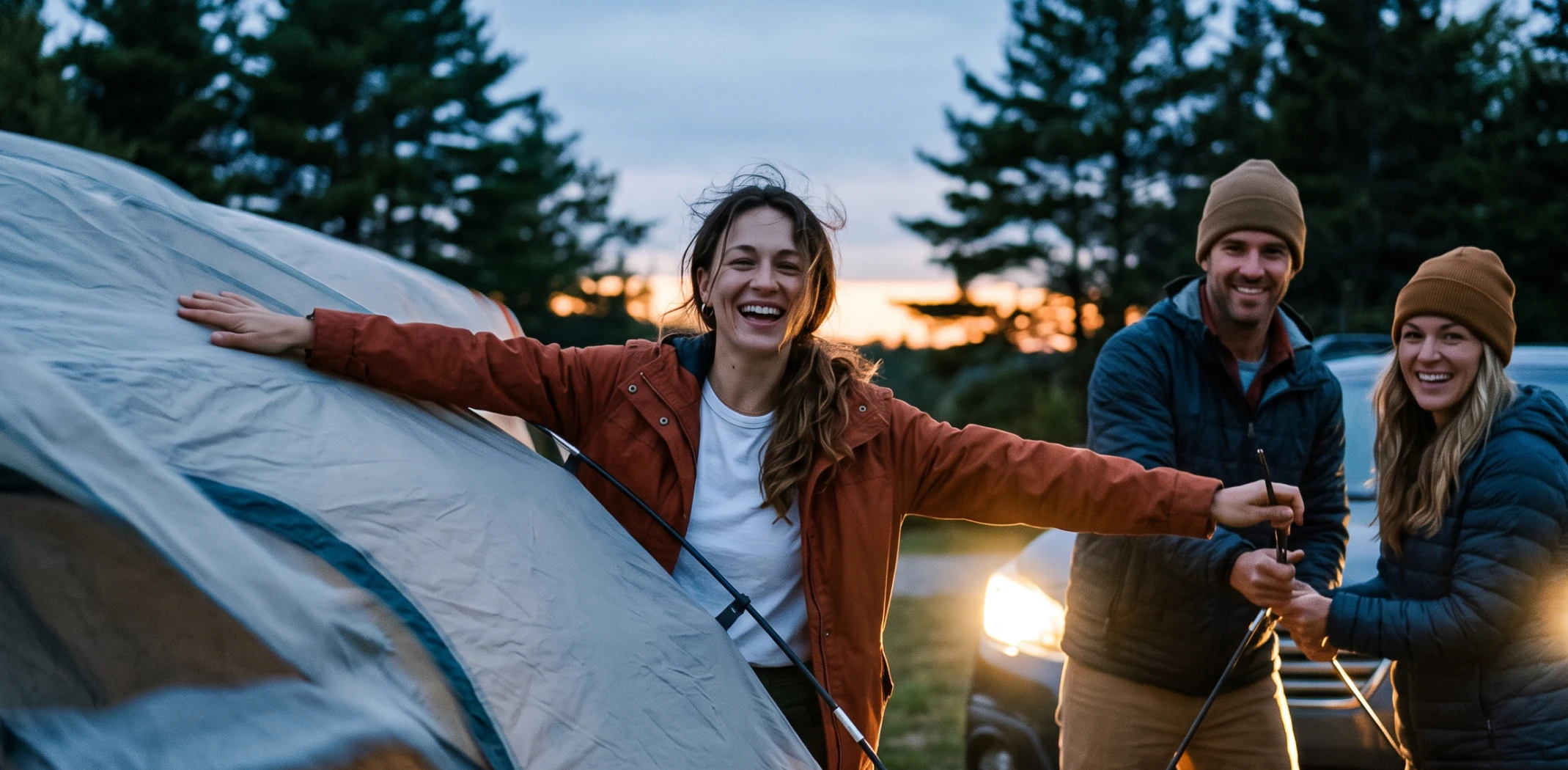
Holly did not get a better camera or a bigger audience. She got a clear offer, a fair price and three small steps. She also kept one thing just for herself: a Sunday photo walk with no clients, so the hobby stayed fun.
- Start with one clear offer
- Check local prices before you set yours
- Tell people you already know first
- Ask every client for a review
- Keep some hobby time just for fun
- Waiting until you feel good enough
- Pricing below the cost of your time
- Building a website before the first sale
- Offering ten services at once
- Doing endless free favors
In month one she earned $165. By month three it was $480, from about one session each weekend. That covers her $310 car payment with money left over. She still works at the dental office and has no plans to leave.
What it costs next to other options
Holly could have kept reading forum posts about pricing, which is what she had done for years. Here is how the usual routes compare.
| Option | Cost | What you get |
|---|---|---|
| Forums and videos | Free | Many opinions, no plan for your hobby |
| A photography business course | $100 and up | Often built for full-time photographers |
| Keep doing free favors | Your weekends | Happy friends, no income |
| Hobby-to-Income Roadmap | $39 | A market check, 3 ways to earn, a pricing guide and your first 3 steps |
“Will charging money ruin my hobby?” It can, if every photo becomes work. That is why the plan suggests keeping separate time that is only for you. Holly shoots for clients on Saturday mornings and for herself on Sundays. The income is real but small, and it is not a promise for everyone. Results depend on your area, your work and your time.
Two more people who started charging

“I build small wooden shelves in my garage and gave most of them away. The pricing guide showed me I was losing money on every one I sold cheap. I raised the price, sold fewer, and made more in one month than in the whole last year.”
Scott M. · bus mechanic, Des Moines IA

“Knitting by hand takes too long to sell finished items. The roadmap pointed me to digital patterns instead. I wrote down my two most popular designs, and now they sell while I knit the next one.”
Wendy K. · library assistant, Albany NY
Once the side income starts, the Side Hustle Expense Tracker helps you see what you really keep after gear and costs. Results vary, and nothing here is a promise of income.
Holly did not need permission or a perfect portfolio. She needed one offer, a fair price and three small steps. After six years of free photos, her hobby now pays a bill every month.
*Individual results may vary.
How do I start a photography business with no experience selling?
How much should I charge for a photo session?
Do I need a studio or a website first?
What are other ways to make money from a hobby?
How long until the first sale?
Is this a guarantee of income?


Recommended for You