Fourteen Years On The Line At $18/Hr: How To Make Money Cooking

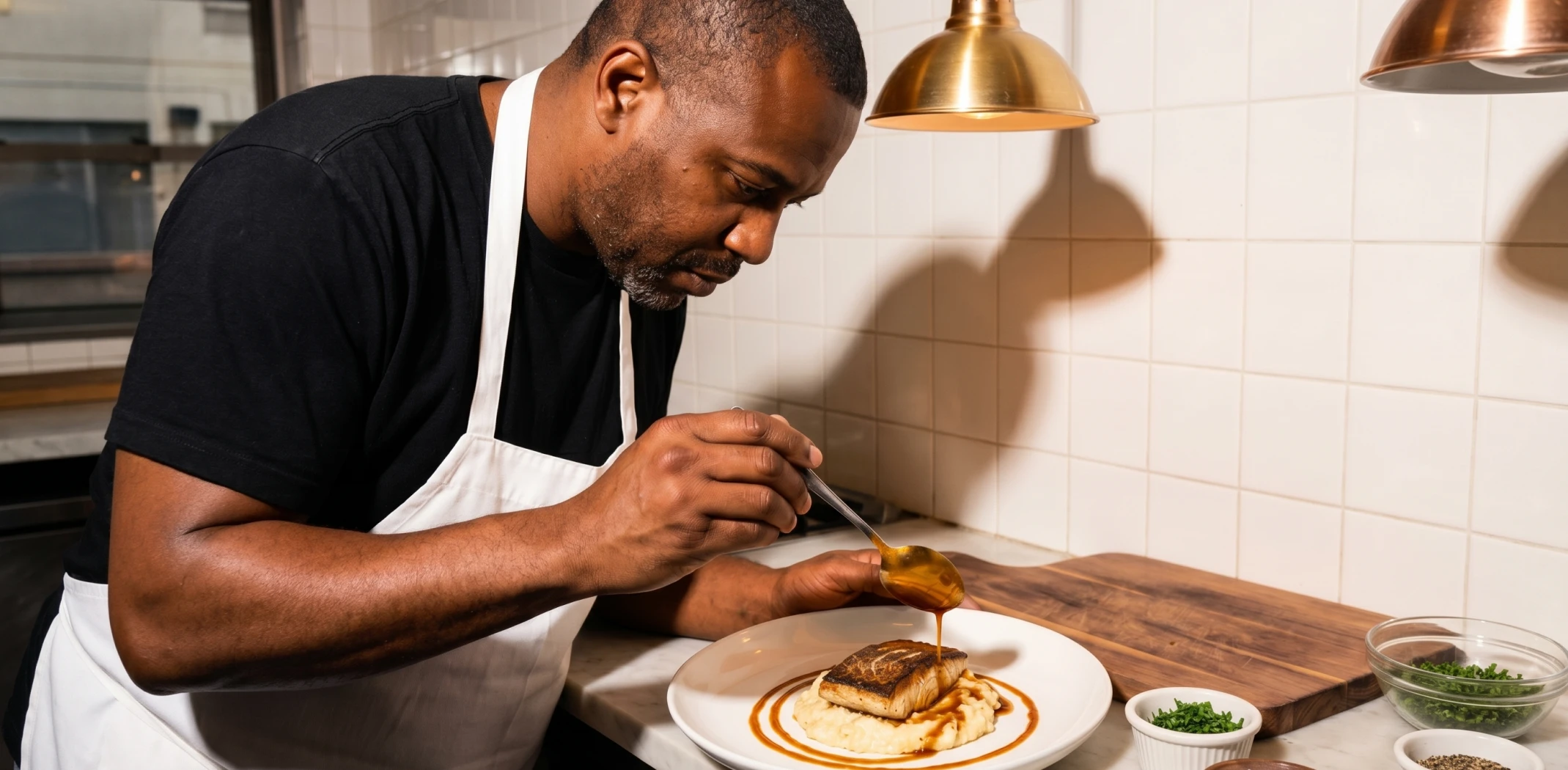
Fourteen years on a restaurant line, and Cal Boudreaux still made $18 an hour. He could plate a five-course dinner for forty covers without breaking stride – and could not figure out how to make money cooking on his own terms – the way that finally paid him what the skill was actually worth.
Cal is 38, a line cook at a busy New Orleans bistro. The talent was never in question; the pricing was. He assumed cooking only paid restaurant wages, because that is the only rate anyone had ever quoted him. The idea that private clients pay several times that had simply never been put in front of him as a plan.
The push was a regular who tasted his off-menu gumbo and asked what he would charge to cook a dinner party for twelve. Cal had no idea. A few weeks later he had booked his first private client, kept his restaurant shifts, and had a number for every service. Here is the order he did it in.
Why skilled people stay underpaid for years
Being great at something and getting paid for it are two different skills. Most people master the craft and never learn the part that turns it into income – which client to find, what to charge, and how to ask. So the talent sits locked at whatever rate the first employer set.
Those numbers are Cal’s career in three lines: a skill the market pays a premium for, priced at the bottom because nobody handed him the bridge from cooking to charging. The talent was done. The business part was the gap.
Cal was not struggling to cook. He was struggling to believe his skill was worth more than a line-cook wage – and without a number, a niche, and a script, the private-chef idea stayed a daydream he never acted on.

Cal spends his nights on a hot line executing someone else’s menu for a flat hourly wage. He did not need culinary school or a motivational speech – he had the chops. He needed someone to show him which of his skills a private market pays a premium for, and exactly how to land the first client.
Like a lot of skilled tradespeople, Cal had the talent and the work ethic. What was missing was the monetization map – the niche, the price, and the first-client move that turns a craft into an income he sets himself.
What Cal tried first – and why none of it paid
Before the plan that landed the client, there were a couple of years of doing what everyone suggests:
Asking for a raise at the restaurant
Two dollars an hour after fourteen years. Restaurant margins cap the wage no matter how good you are. The ceiling was the business model, not his cooking.
Pricing a $15,000 culinary program
It promised to teach techniques he had used every night for over a decade. Paying five figures to learn his own skill was not a path to income – it was a path to debt.
“Just post that you cook”
He made one vague social post, got two “looks great!” comments and zero bookings. Talent with no niche, no price, and no offer is a hobby, not a business.
Every option assumed he needed more skill or more exposure. None answered the real questions: which service do private clients actually pay for, what is the going rate, and what exactly do I say to land the first one?
I could cook for a dining room of forty. What I could not do was tell a stranger what a dinner party for twelve would cost. The skill was never the problem – the price tag was.
The 4 things the Roadmap built from Cal’s answers
He answered a short set of questions – his skills, his hours, his goal income, his market. A few minutes later he had four things, all aimed at a first paying client:
It did not teach me to cook. It told me what to charge, which service to sell first, and what to text the woman who asked about the dinner party. The first quote I sent was $40 an hour and my hand still shook hitting send.
The first move the plan flagged was the easiest one: the regular who had already asked. With a real menu and a real number in hand, Cal quoted the dinner party for twelve – and she said yes before he finished the sentence.
From $18 an hour to a booked private client: Cal’s first 90 days
The plan ran as a 90-day arc he could work around his shifts – match, build, pitch, price. No dramatic quitting, just a second income growing on his days off.
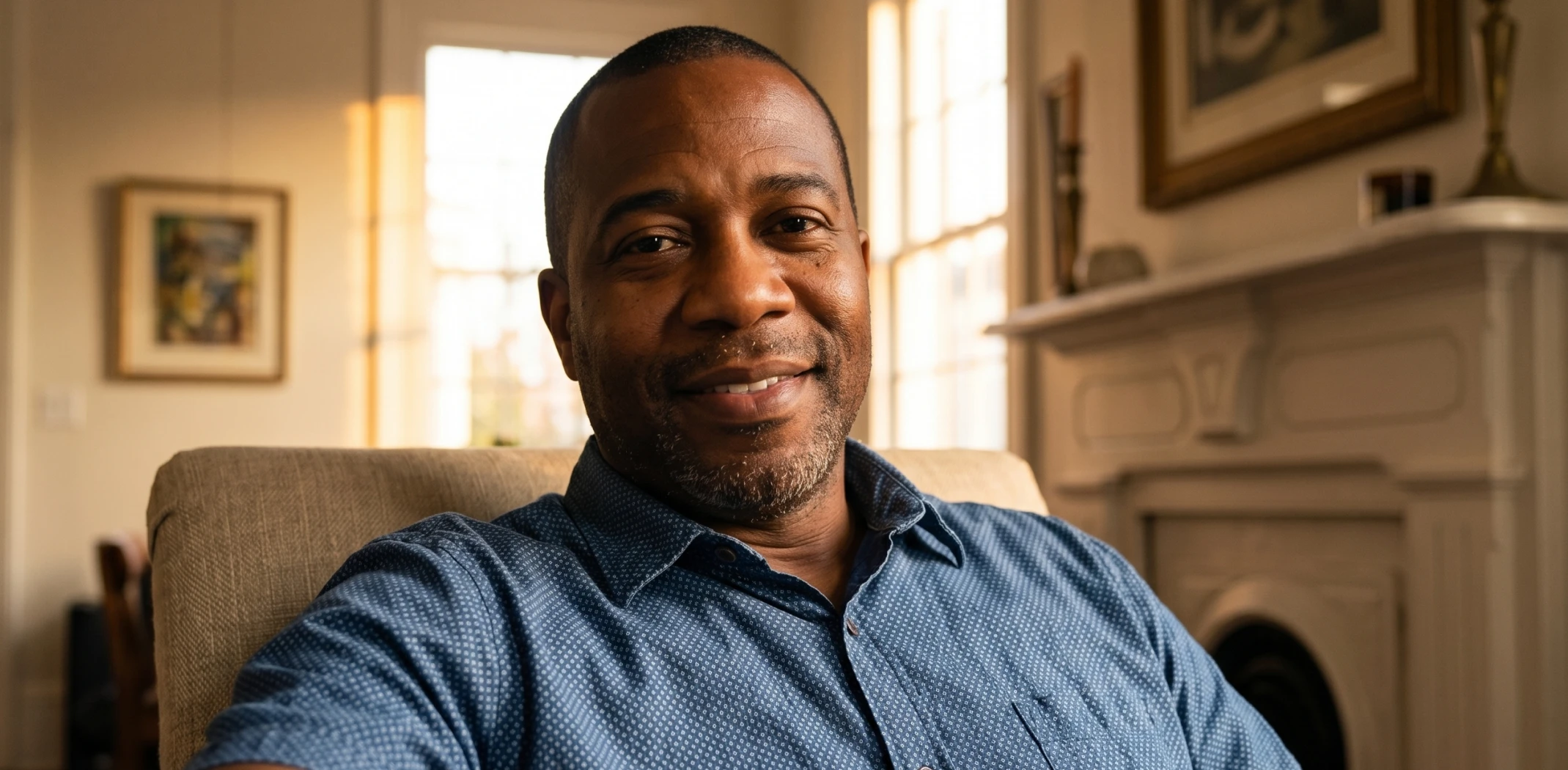
A booked dinner is not a career change overnight. But it was the first time Cal’s skill set its own price. The restaurant pays the same; the difference now grows on his two free nights a week – and the plan has a rule for exactly when it is safe to leave.
Why “just get better” never raises a skilled worker’s pay
There is a reason so many talented people stay underpaid for years. It is not skill – it is that getting better at the craft does nothing for the price if the business model caps it. A line cook can become the best on the line and still earn a line-cook wage. The raise comes from changing who pays you, not how well you cook.
The other options are not bad – school sharpens the craft, a coach gives advice. But a skilled worker who is already good does not need more training. They need the niche, the price, and the first-client move – the part nobody teaches.
I am not a chef – does this work for other skills?
Yes – the tool is built around whatever skill you already have. Cooking is just Cal’s example. The same match-niche-price-first-client sequence works for design, writing, photography, repair work, tutoring, bookkeeping, and dozens more. It starts by auditing your actual skills and pointing at the one a private market pays for fastest – then maps the 90 days to a paying client.
What other skilled workers did with the same Roadmap
Cal’s pattern is not unique to kitchens: the skill was always worth more – only the pricing and the first client were missing.

“Sixteen years cooking in hotels for a flat wage. The match pointed me at weekly meal prep for two busy families. First client at $55 an hour in three weeks – more per session than a full shift on the line. I never knew that market existed.”
Renaldo Pierce · private chef, Atlanta GA

“Not a chef – I bake. I had given away cakes for years. The pricing guide and outreach script got me my first paid custom-cake order in a month. I finally charge for the thing everyone told me I should sell.”
Sasha Lindgren · custom baker, Minneapolis MN
Beyond the skill match, Skill-to-Income Roadmap includes the 90-day week-by-week plan, portfolio project briefs, outreach scripts, a regional pricing guide, and the day-job-exit sequence with the six-month stability rule. One purchase, and you can re-run it for any skill you want to monetize.
Different crafts, different cities, the same first move: stop trying to get better, audit what you can already sell, and aim the next 90 days at one paying client.
How to make money cooking: the 5-step playbook
If you can cook (or build, or design, or write) and you are stuck at someone else’s wage, here is the order that changes it – the same one the plan walks you through:
Audit the skill you already have, not a new one
The fastest income comes from what you can already do well. You do not need a course – you need to see which of your skills a private market pays a premium for.
Pick one niche, not “everyone”
In-home dinners. Weekly meal prep. One clear service to one clear client beats “I cook” every time. The niche is what makes the offer real.
Price at the private rate, not the wage
Private clients pay several times restaurant rates because the value is different. Use real regional benchmarks so you do not undercharge out of habit.
Pitch the client who already asked
Almost everyone has a “you should cook for people” person in their life. With a menu and a price, that comment becomes your first booking – use a script so you do not freeze.
Keep the day job until the income holds
Grow the private work on your days off. Do not quit until it has cleared your target for six straight months and your health insurance is covered.
Cal did not learn a new trade. He audited the skill he already had, picked one niche, priced it at the private rate, pitched the client who had already asked, and kept his shifts while it grew – in that order. That sequence is open to anyone good at something and underpaid for it.
That is the whole idea of a skill-to-income roadmap: stop chasing more training, price the skill you have, and let one paying client turn a craft into income.
Turn your skill into a paying client – the same plan Cal used to go from a $18-an-hour line to his first booked private dinner in 90 days.
*Individual results may vary.
How do I start making money cooking?
How much can a private cooking client pay?
Do I need culinary school to cook for private clients?
Can a line cook make money cooking on the side?
What do I need to book my first paid client?
When should I quit my restaurant job?


Recommended for You