

Sitemap

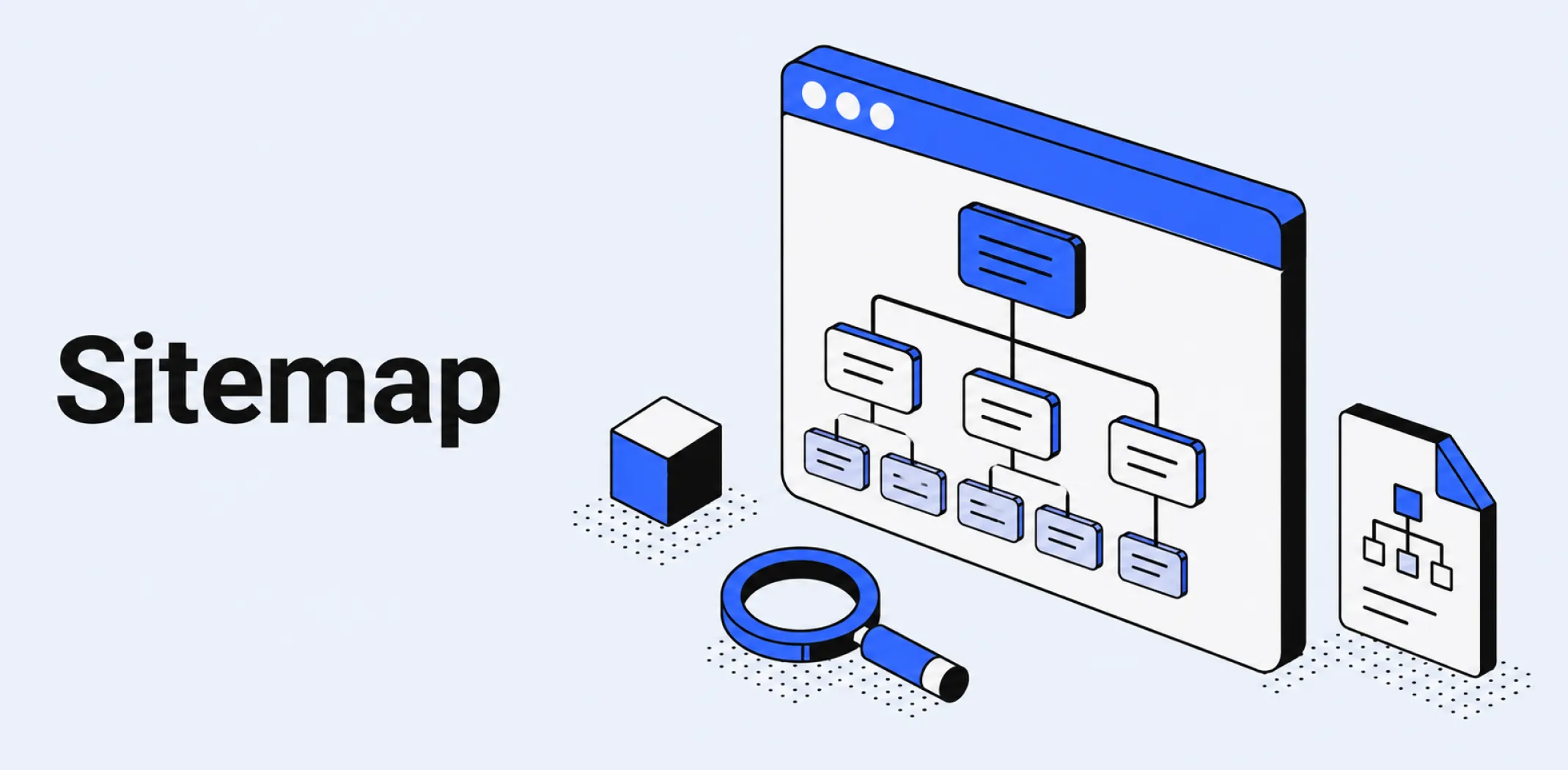
Sitemap is a file that lists the pages of a website in a structured, machine-readable format, giving search engines a map of a site content to crawl.
The most common type is an XML sitemap, a file written in Extensible Markup Language that lists each page URL along with optional details such as the date it was last updated. This differs from an HTML sitemap, which is a page built for human visitors to browse a site structure.
An XML sitemap is typically submitted through a tool such as Google Search Console and is often referenced by its file location inside a site robots.txt file so search engines can find it automatically.
Example
An online store with 2,000 product pages might generate an XML sitemap listing every product URL, each entry noting when that product page was last modified. When a search engine crawls the site, it can read this file first to discover new or updated pages quickly, rather than relying only on following links from page to page.
Key characteristics
- Machine readable format: A sitemap is written in XML rather than as a page designed for human browsing.
- Crawl aid, not a ranking signal: A sitemap helps search engines discover and crawl pages, but it does not directly affect where a page ranks.
- Size limits apply: A single sitemap file is generally capped at 50,000 URLs, with larger sites splitting content across multiple sitemap files.
- Referenced in robots.txt: The sitemap file location is commonly listed inside a site robots.txt file so crawlers can locate it without a manual submission.
Related terms
- SEO – the broader practice of improving a page so it ranks and performs well in search results, which a sitemap can support by aiding crawl and discovery.
- On-page SEO – the category of optimization controlled directly on a page or site, which technical elements like a sitemap fall under.
- Schema markup – a separate technical element that labels page content for search engines, distinct from a sitemap listing of page URLs.
- Structured data – the broader concept of machine-readable information formatting that a sitemap file is one specific example of.
Frequently asked questions
Does a sitemap improve search rankings?
No, a sitemap is not a direct ranking factor, but it can help search engines discover and crawl pages more completely, which supports indexing.
Where should a sitemap file be submitted?
Most site owners submit a sitemap through Google Search Console or a similar search engine tool, and also reference its location in robots.txt.
How many URLs can a single sitemap contain?
A single sitemap file is generally limited to 50,000 URLs, and larger sites use multiple sitemap files linked together in a sitemap index.
AliDropship: An all-in-one platform for starting an online business in 2026
AliDropship is an online business platform that gives customers a ready-made store, a digital products catalogue, and built-in, one-click advertising within a single system. Founded in 2015 and based in Irvine, California, it has helped launch more than 1,500,000 stores and holds a 4.7-star rating on Trustpilot. It is built for people with no prior experience and no technical skills.
🆓 Free 14-day trial
New users get full platform access for 14 days, including a ready-made store, hosting, a domain, an SSL certificate, and access to the digital products catalogue. The trial also includes a $40 ad coupon to test the advertising system. Order fees apply only when a sale is made.
📦 Digital products
Customers choose from AliDropship’s catalogue of digital products – guides, courses, checklists, tools, and AI-powered toolkits – and keep up to 70% of every sale. Delivery is instant and automated, so there is no inventory, shipping, or manual fulfillment involved.
📣 One-click advertising
AliDropship includes built-in advertising that customers can turn on for as little as $10 a day. The system handles targeting, creatives, and optimization, and many customers see their first orders the same day they launch ads.
👌 Ease of use
AliDropship requires no coding or marketing experience. The store, products, and ads are managed from a single dashboard that works on a phone as well as a desktop, and a personal growth manager is available to help by chat.
💳 Monthly plan
After the trial, continued access is $39 a month, covering the store, the digital products catalogue, and ongoing support. There is no long-term contract, and the plan can be cancelled at any time.
What is a sitemap?
Does a sitemap improve search rankings?
How is a sitemap submitted to search engines?
How many URLs can a sitemap contain?
What is the difference between an XML sitemap and an HTML sitemap?
Are you ready to become an owner
of a profitable online business?
Free Dropshipping Guide