Invisible On Google: Digital Marketing For Small Business With $0 And No Followers

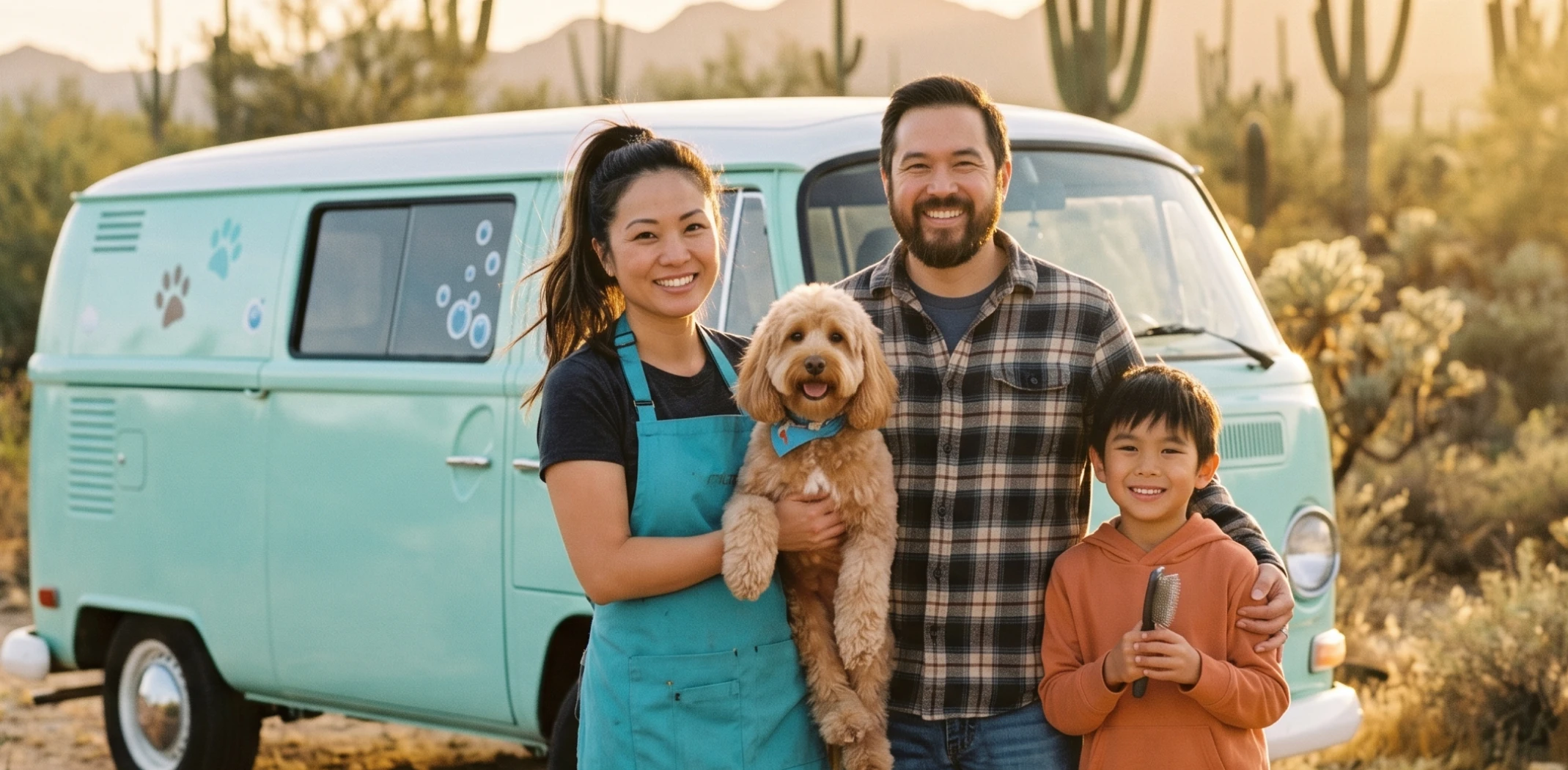
Naomi Tran learned everything about digital marketing for small business from one sentence. A loyal client, holding her freshly groomed doodle, said: “I tried to find you online to recommend you to my sister and… you don’t exist.”
Naomi is 36, Tucson, one woman and one mobile grooming van – Suds & Paws. Six years of word of mouth, 14 bookings a week, and a Saturday salon shift she keeps because 14 isn’t 22. Search “dog grooming near me” in her own driveway: competitors, ads, maps. No Naomi.
Eight weeks later: 23 bookings a week, the Saturday job gone, and a booking calendar that fills itself. Zero ad dollars. The whole turn started with a 2-minute questionnaire and a 14-day plan. Here it is.
Why invisible businesses stay small – even great ones
Word of mouth built Suds & Paws. It also capped it – because the searching customer never hears the mouth. Small business marketing breaks the moment your best advertising only travels by conversation:
Naomi’s spring had already taught her what doesn’t work. A $60 boosted post brought two likes – both bots – and zero bookings. An agency quoted $1,200 a month, more than her van payment. A local influencer offered “exposure” in exchange for free grooms, forever. And a franchised competitor’s wrapped van started cruising her own neighborhood.
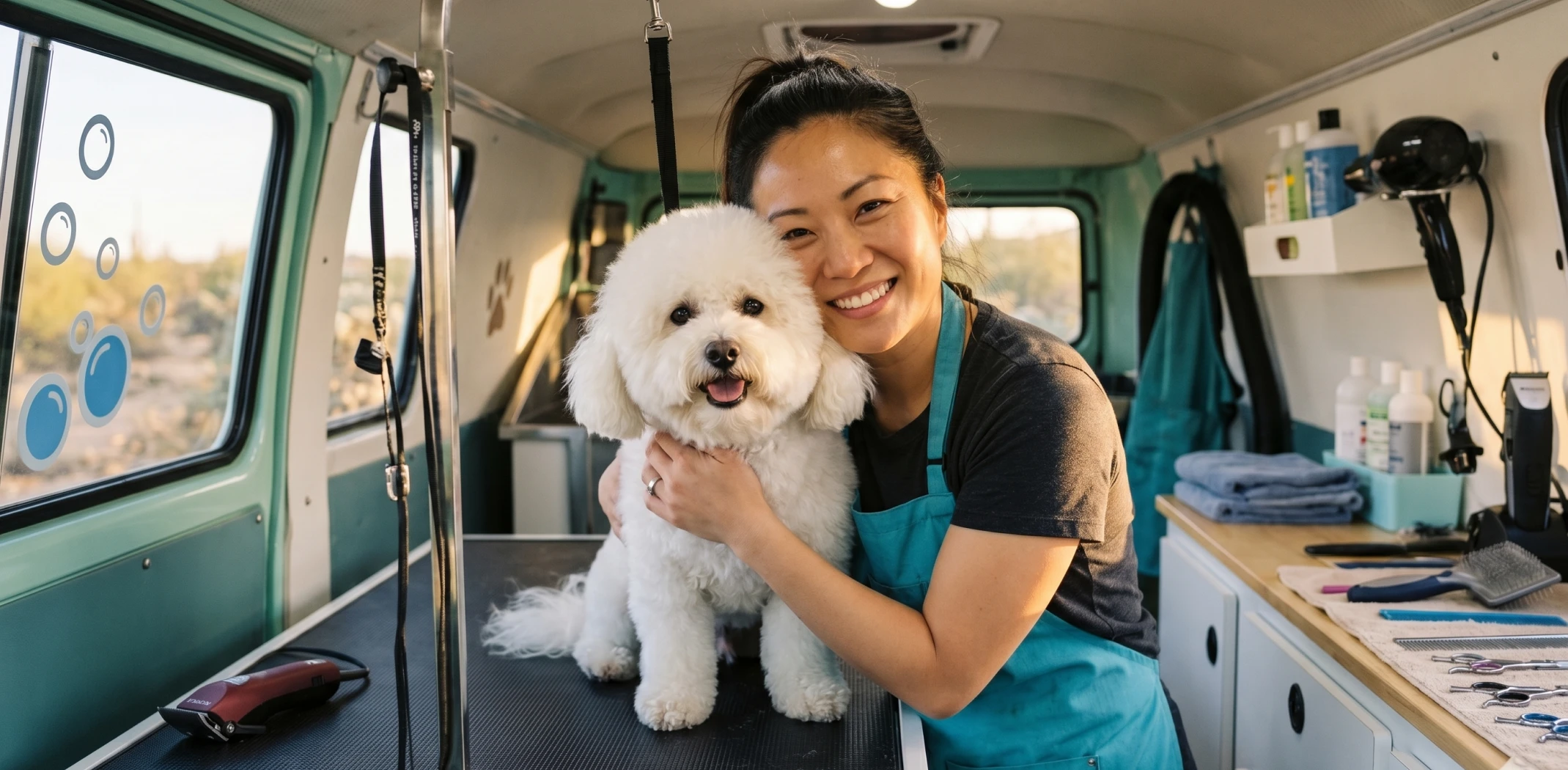
Then came the doodle lady’s sentence. “You don’t exist.” That night Naomi opened the Kit and answered five questions: goal (more bookings), budget ($0), confusion (“what even is SEO”), platforms (Google + Instagram), hours (4 a week).
The plan that came back didn’t look like the playbooks she’d been sold. It started with being findable, not with being loud.
Digital marketing for small business: what Naomi tried first
Three expensive lessons before the cheap one that worked:
The $60 boosted post
Two likes, both bots, zero bookings. Paying to amplify content nobody asked for is the most popular way to burn a marketing budget.
The $1,200/month agency quote
More than the van payment, for “brand strategy” she couldn’t evaluate. Agencies are built for businesses that already have margin to spend.
“Exposure” barter
An influencer wanted free grooms indefinitely for stories that vanish in 24 hours. Exposure doesn’t pay for dog shampoo.
Everything I tried was somebody else’s playbook. Boosts for brands, agencies for chains, influencers for influencers. Nobody had a playbook for one woman, one van, and four free hours a week.
The 4 pieces the Kit built for one van and four hours
Thirty seconds after the five questions, four pieces – none of them requiring followers or a card on file:
It explained SEO in one line I actually understood: write down what your customer types when their dog smells. That’s the keyword. Everything else is decoration.
The plan didn’t ask her to become an influencer. It asked her to be findable, useful, and consistent for four hours a week.
Day 1 to week 8: the bookings ledger
Four hours a week, mostly while the van’s dryer ran.
The early wins came from being findable, not from going viral – exactly what social media marketing for small business is supposed to do.
Track this, ignore that: the metrics scoreboard
The Kit’s most freeing page is a permission slip – half the numbers don’t matter:

Naomi stopped checking likes the week the tracker showed her a 70-like post had booked no one. The number that mattered was already on the page.
What that clarity costs elsewhere:
Will this work for my industry – I’m not a groomer?
The formats are universal; the plan is personal. Before/after works for cleaners, painters, detailers, and lawns. How-to posts work for accountants and tutors. Local tags work for anyone serving a zip code. The Kit builds the plan from your goal, your platforms, and your hours – and if your goal is a marketing job rather than a business, the portfolio path documents your results as work samples.
What other readers launched with the same Kit
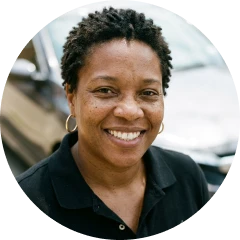
"Mobile car detailing, zero online presence. Google profile on day one, before/after posts every other day. Calendar full in six weeks – and my best post has nine likes. Nine. The tracker taught me not to care."
Dee R. · mobile detailer, Knoxville TN

"Warehouse job, marketing dreams, no degree. Picked the portfolio goal – the Kit had me document every post and its numbers. That folder of receipts landed my first freelance client at $300 before the 14 days were even up."
Aaron F. · aspiring marketer, Little Rock AR
Beyond the 14-day plan – Digital Marketing Starter Kit includes one confusion unpacked in plain language (SEO, targeting, or content), free landing-page options for businesses without a website, the printable weekly metrics log, and a portfolio path for job seekers. One purchase, re-run as your goal changes.
How to start digital marketing with no budget and no audience
Exist where people search before you post where people scroll
A free Google Business Profile beats a month of posts. Searchers have intent; scrollers have thumbs.
Pick one no-follower format and repeat it
Before/after, how-to, or local tags. One format, twice a week, beats five formats once. The Kit matches the format to your trade.
Ask your happy customers for the review today
Twenty texts to loyal clients did more for Naomi than any post. Reviews are the local algorithm.
Track money metrics, not mood metrics
Inquiries, clicks, direction requests. A post with 11 likes that books 4 clients beats one with 70 that booked none.
Spend money only after free works
Ads amplify what already converts. Boosting an unproven post is paying bots to agree with you.
Naomi still doesn’t have followers worth bragging about. She has something better: a calendar that fills itself from search, four hours a week, and a Saturday that belongs to her family again. Invisible is a choice now – and she chose otherwise.
Build your own marketing starter kit – five questions tonight, first post by Thursday, and a calendar that fills from search.
How to learn digital marketing?
What is engagement rate?
How often should I post on social media?
Which free marketing tools actually work?
What is the best way to promote my business?
Can a beginner do digital marketing alone?


Recommended for You