

Reverse Dropshipping

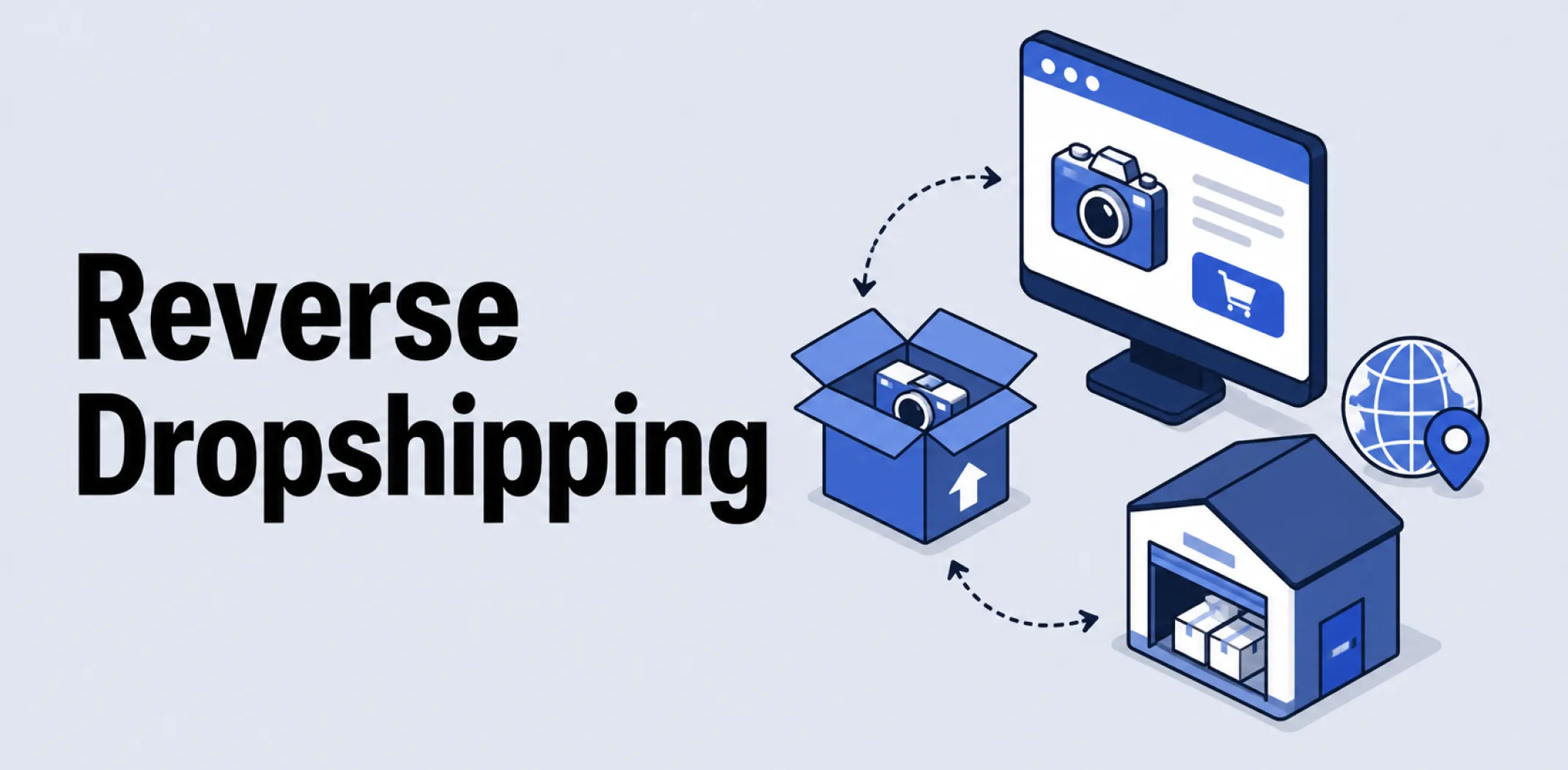
Reverse dropshipping is a fulfillment model in which a seller sources high-quality products from developed markets – such as the United States, Europe, or Japan – and sells them to customers in emerging or high-growth economies where those products are not widely available domestically.
The term contrasts with conventional dropshipping, which typically involves sourcing low-cost goods from manufacturers in countries such as China and selling them to buyers in Western markets.
In reverse dropshipping, that geographic and economic direction is inverted: the supplier is based in a high-income country, and the end customer is located in a developing or rapidly growing market.
The model is associated with product categories where brand reputation, quality certification, or scarcity drives demand – including premium electronics, cosmetics, health products, and specialty foods.
Because sourcing costs in developed markets are higher than in conventional dropshipping, profit margins in reverse dropshipping depend on the seller’s ability to command a price premium in the destination market.
The model suits sellers who can identify demand gaps – products that consumers in a target market want but cannot easily obtain through local retail channels. See also niche market for context on how demand gaps are identified and exploited.
How reverse dropshipping works
- The seller identifies a target market – typically an emerging economy – where demand exists for products that are difficult to obtain locally or carry a perceived quality advantage when imported.
- The seller sources those products from suppliers in developed markets, such as manufacturers, wholesalers, or authorised distributors in the US, EU, UK, or Japan.
- The seller lists the products on an online storefront, a local marketplace, or a regional ecommerce platform serving the target market.
- When a customer places an order, the seller forwards the order details and the customer’s shipping address to the supplier.
- The supplier ships the product directly to the customer, bypassing any need for the seller to hold or handle inventory.
- The seller retains the difference between the price charged to the customer and the supplier’s cost, minus any applicable shipping, import duties, or platform fees.
Example
A seller based in the UAE identifies strong consumer demand for Japanese skincare products that are not stocked by local retailers. The seller builds a storefront targeting UAE and Gulf buyers, listing products sourced from an authorised Japanese cosmetics distributor. When a customer places an order for a product priced at $80, the seller forwards the order to the Japanese supplier, who ships it directly to the customer. The seller’s cost from the supplier is $45, yielding a gross margin of $35 before fees and shipping – substantially higher in absolute terms than is typical in conventional dropshipping, where products are cheaper but margins per unit are thinner.
Key characteristics
- Inverted sourcing geography: Products flow from developed, high-cost markets to buyers in emerging or high-growth economies, reversing the direction of most dropshipping supply chains.
- Premium product focus: The model is built around goods where perceived quality, brand origin, or certification justifies a price premium over locally available alternatives.
- Demand gap dependency: Viability depends on identifying categories where supply in the target market is insufficient to meet consumer demand for imported goods.
- Higher unit economics: Sourcing costs are greater than in conventional dropshipping, but higher retail prices in destination markets can produce larger per-order margins.
- Regulatory complexity: Cross-border imports into emerging markets may involve customs duties, import restrictions, or product certification requirements that affect both cost and delivery time.
Related terms
- Dropship – the standard fulfillment model that reverse dropshipping inverts, in which products are typically sourced from lower-cost supplier markets.
- Supplier – the third party responsible for warehousing and shipping products; in reverse dropshipping, the supplier is based in a developed market.
- Niche market – a defined segment with specific product demand; reverse dropshipping businesses are heavily reliant on identifying underserved niches in target economies.
- Order fulfillment – the end-to-end process of receiving, processing, and shipping a customer order, which in reverse dropshipping is handled by the developed-market supplier.
- Wholesale – a common sourcing arrangement used in reverse dropshipping, where the seller purchases at bulk or trade prices from an authorised distributor.
Frequently asked questions
What is the difference between dropshipping and reverse dropshipping?
Conventional dropshipping sources products from lower-cost manufacturing markets – most commonly China – and sells them to buyers in higher-income countries. Reverse dropshipping does the opposite: it sources from developed markets and sells into emerging economies where imported goods are in demand but limited in local availability.
Is reverse dropshipping more profitable than conventional dropshipping?
Reverse dropshipping can produce higher absolute margins per order because retail prices in destination markets may significantly exceed sourcing costs for premium imported goods.
However, supplier costs are higher, customer acquisition in unfamiliar markets can be difficult, and cross-border logistics add complexity. Profitability depends heavily on product selection, target market conditions, and the seller’s ability to manage import-related costs.
What products work best for reverse dropshipping?
Categories that perform well include premium cosmetics and skincare, health supplements, specialty foods, certified electronics, and branded fashion accessories – particularly where the country of origin carries strong consumer trust in the target market. Products with a clear quality or authenticity signal tend to justify the higher price point that the model requires.
What are the main challenges in reverse dropshipping?
Key challenges include navigating import duties and customs regulations in the destination country, finding reliable suppliers in developed markets willing to fulfil single-unit orders, managing longer or less predictable international shipping times, and building consumer trust in a market where the seller may have no established presence.
AliDropship: An all-in-one platform for starting dropshipping in 2026
AliDropship is a dropshipping platform that covers store creation, product imports, order automation, and marketing within a single system. It is designed for users with no prior ecommerce experience, though it also supports scaling for more established stores.
🛍️ Free turnkey store
New users receive a free pre-built store – set up, designed, and stocked with products. The store includes a ready-to-use product catalogue and a standard storefront design. It also comes with hosting, a domain, SSL, and payment systems already set up and included.
📦 Products
The platform provides access to a product catalogue covering both trending and niche items, with one-click import to your store. The catalogue is updated regularly to reflect current market availability. Products can be browsed, filtered, and added without leaving the platform.
🚚 Shipping & fulfillment
AliDropship provides access to a vast catalogue of products from global suppliers and handles order fulfillment automatically once a purchase is made. Customers receive tracking information directly, and orders are processed without manual intervention from the store owner.
📣 Marketing & promotion tools
The platform includes built-in marketing tools covering email campaigns, discount management, SEO settings, and social media integration. These are available within the dashboard and do not require third-party subscriptions for basic use.
👌 Ease of use
AliDropship requires no coding knowledge. The dashboard contains all the necessary tools for managing your store, products, and orders in one place. Additional features and products can be added as the store grows without rebuilding the existing setup.
What is the difference between dropshipping and reverse dropshipping?
Is reverse dropshipping more profitable than conventional dropshipping?
What products work best for reverse dropshipping?
What are the main challenges in reverse dropshipping?
Are you ready to become an owner
of a profitable online business?
Free Dropshipping Guide