

PCI Compliance

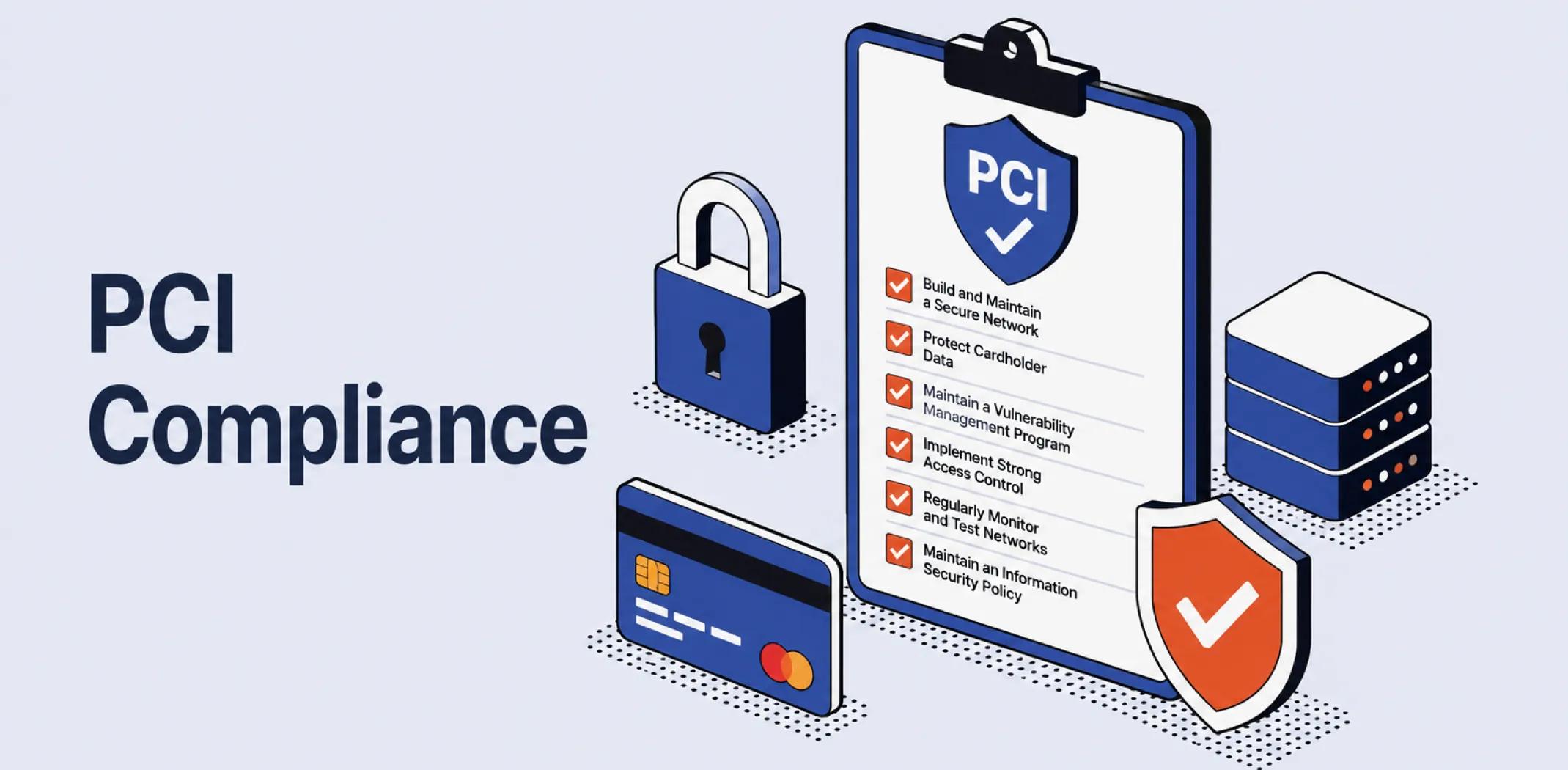
PCI compliance is a set of security standards that businesses must follow when they store, process, or transmit credit card data, designed to reduce the risk of payment fraud and data breaches.
The standards are formally known as the Payment Card Industry Data Security Standard, or PCI DSS, and were created by the major card networks rather than by any single government body.
They apply to any business that accepts card payments, regardless of size, including small online stores using a payment gateway to process transactions. Compliance is enforced through the relationships between merchants, payment processors, and card networks rather than through a single regulator.
For most dropshipping and small ecommerce stores, PCI compliance is handled largely by the platform and payment processor, since card data typically passes through their systems rather than being stored on the merchant’s own server.
Key characteristics
- Tiered requirements: The level of compliance required depends on transaction volume, with merchants processing fewer card payments per year facing simpler validation steps than high-volume merchants.
- Shared responsibility: Card data security is split between the merchant, the payment processor, and the platform hosting the store, so compliance obligations vary depending on how payments are handled.
- Self-assessment or audit: Smaller merchants typically complete a self-assessment questionnaire, while larger merchants may require an external audit by a qualified security assessor.
- Ongoing process: Compliance is not a one-time certification; it requires continued adherence to security practices such as encryption and access controls.
Related terms
- Payment gateway – the service that authorizes and processes card transactions on behalf of a store.
- Ecommerce – the broader category of online retail activity in which card payment security standards apply.
- WooCommerce – a platform where store owners may need to configure PCI-compliant payment processing depending on setup.
- Business plan – a planning document that may account for compliance and security costs when budgeting for a store.
Frequently asked questions
Is PCI compliance required by law?
PCI compliance is not a government law; it is a contractual requirement set by card networks such as Visa and Mastercard. Non-compliance can still lead to fines from a payment processor or loss of the ability to accept card payments.
Does PCI compliance apply to small dropshipping stores?
It applies to any business accepting card payments, including small dropshipping stores, though the validation requirements are simpler for low-volume merchants. Many small stores rely on a payment gateway that handles most of the compliance burden.
How is PCI compliance different from GDPR?
PCI compliance focuses specifically on the security of payment card data, while broader data protection regulations like GDPR cover personal data more generally. A store can be PCI compliant without fully addressing other data privacy obligations, and vice versa.
What happens if a business is not PCI compliant?
A non-compliant business risks fines from its payment processor, increased transaction fees, or suspension of card processing privileges. In the event of a data breach, non-compliance can also increase legal and financial liability.
AliDropship: An all-in-one platform for starting dropshipping in 2026
AliDropship is a dropshipping platform that covers store creation, product imports, order automation, and marketing within a single system. It is designed for users with no prior ecommerce experience, though it also supports scaling for more established stores.
🛍️ Free turnkey store
New users receive a free pre-built store – set up, designed, and stocked with products. The store includes a ready-to-use product catalogue and a standard storefront design. It also comes with hosting, a domain, SSL, and payment systems already set up and included.
📦 Products
The platform provides access to a product catalogue covering both trending and niche items, with one-click import to your store. The catalogue is updated regularly to reflect current market availability. Products can be browsed, filtered, and added without leaving the platform.
🚚 Shipping & fulfillment
AliDropship provides access to a vast catalogue of products from global suppliers and handles order fulfillment automatically once a purchase is made. Customers receive tracking information directly, and orders are processed without manual intervention from the store owner.
📣 Marketing & promotion tools
The platform includes built-in marketing tools covering email campaigns, discount management, SEO settings, and social media integration. These are available within the dashboard and do not require third-party subscriptions for basic use.
👌 Ease of use
AliDropship requires no coding knowledge. The dashboard contains all the necessary tools for managing your store, products, and orders in one place. Additional features and products can be added as the store grows without rebuilding the existing setup.
Is PCI compliance required by law for dropshipping stores?
Does PCI compliance apply to small ecommerce businesses?
How often must a business renew PCI compliance?
What are the PCI compliance levels based on transaction volume?
Can a payment gateway handle PCI compliance for a store owner?
Are you ready to become an owner
of a profitable online business?
Free Dropshipping Guide