

Inventory

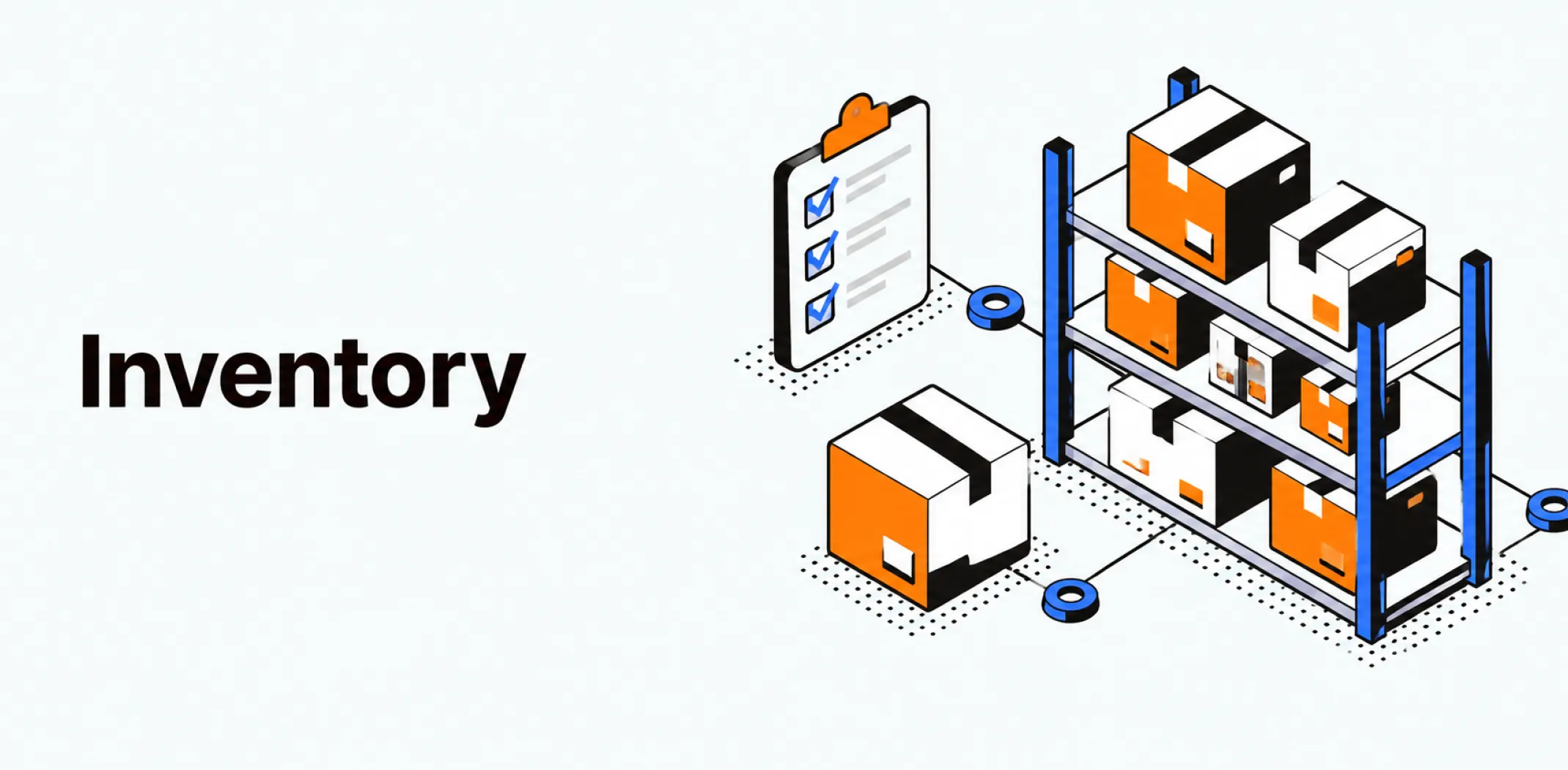
Inventory is the total stock of physical goods a business holds at any given time for the purpose of selling to customers, including raw materials, work-in-progress items, and finished products ready for dispatch.
In ecommerce, inventory typically refers to finished goods stored in a warehouse or fulfilment centre, awaiting purchase. A business that holds inventory must account for storage costs, stock levels, and the risk of goods becoming unsellable due to damage, expiry, or shifting demand. Managing inventory effectively means keeping enough stock to meet orders without tying up excessive capital in unsold goods.
Inventory is a core operational concern for traditional retail and ecommerce businesses alike. It stands in direct contrast to the dropship model, in which the seller holds no inventory and relies on a supplier to store and ship goods on their behalf.
Example
An online homeware store purchases 500 units of a ceramic vase from a manufacturer and stores them in a rented warehouse. Each unit cost $8 to acquire, representing $4,000 of capital tied up in stock. As orders come in, the warehouse team picks and ships individual units. If the vases go out of fashion before all 500 are sold, the remaining stock becomes a loss. This is the core risk of holding inventory – the business bears full responsibility for goods that do not sell. A seller using a dropship arrangement, by contrast, would never have purchased the vases in advance.
Key characteristics
- Capital commitment: Purchasing inventory requires upfront expenditure before any sale is made, which ties up working capital that could otherwise fund other business activities.
- Storage requirement: Physical goods must be held somewhere – typically a warehouse or fulfilment centre – which introduces warehousing and overhead costs.
- Spoilage and obsolescence risk: Goods held in inventory can lose value through physical damage, expiry, or changes in consumer demand before they are sold.
- Stock level management: Businesses must balance holding enough inventory to fulfil orders promptly against the cost and risk of overstocking.
- Valuation on the balance sheet: Inventory is recorded as a current asset in a business’s accounts; its value affects reported profitability and tax obligations.
Related terms
- Warehousing – the storage and handling of inventory within a physical facility before orders are fulfilled.
- Order fulfillment – the process of picking, packing, and shipping inventory to a customer after a purchase is made.
- Wholesale – the practice of purchasing inventory in bulk at a lower per-unit cost for subsequent resale.
- Overhead costs – the fixed and variable expenses associated with running a business, including storage and handling of inventory.
- Dropship – a fulfilment method in which the seller holds no inventory and orders are shipped directly by the supplier.
Frequently asked questions
What is the difference between inventory and stock?
The two terms are used interchangeably in most ecommerce and retail contexts. In accounting, “inventory” is the broader term covering raw materials, work-in-progress, and finished goods, while “stock” typically refers specifically to finished goods available for sale.
Why don’t dropshipping businesses hold inventory?
In a dropship arrangement, the seller lists products without purchasing them first. When a customer places an order, the seller forwards it to a third-party supplier who holds the stock and ships directly to the buyer. This removes the need for the seller to invest in or store inventory.
What are the main risks of holding inventory?
The primary risks are unsold stock that ties up capital, goods damaged or lost during storage, and items becoming obsolete before they are sold. Businesses that misjudge demand may be left with excess inventory that must be discounted or written off entirely.
How does inventory affect ecommerce profitability?
Inventory directly affects profitability through the cost of goods purchased, storage and handling fees, and losses from unsold or damaged stock. Efficient inventory management reduces these costs and improves the ratio of revenue to expenditure. For an overview of how costs and returns interact, see return on investment.
AliDropship: An all-in-one platform for starting an online business in 2026
AliDropship is an online business platform that gives customers a ready-made store, a digital products catalogue, and built-in, one-click advertising within a single system. Founded in 2015 and based in Irvine, California, it has helped launch more than 1,500,000 stores and holds a 4.7-star rating on Trustpilot. It is built for people with no prior experience and no technical skills.
🆓 Free 14-day trial
New users get full platform access for 14 days, including a ready-made store, hosting, a domain, an SSL certificate, and access to the digital products catalogue. The trial also includes a $40 ad coupon to test the advertising system. Order fees apply only when a sale is made.
📦 Digital products
Customers choose from AliDropship’s catalogue of digital products – guides, courses, checklists, tools, and AI-powered toolkits – and keep up to 70% of every sale. Delivery is instant and automated, so there is no inventory, shipping, or manual fulfillment involved.
📣 One-click advertising
AliDropship includes built-in advertising that customers can turn on for as little as $10 a day. The system handles targeting, creatives, and optimization, and many customers see their first orders the same day they launch ads.
👌 Ease of use
AliDropship requires no coding or marketing experience. The store, products, and ads are managed from a single dashboard that works on a phone as well as a desktop, and a personal growth manager is available to help by chat.
💳 Monthly plan
After the trial, continued access is $39 a month, covering the store, the digital products catalogue, and ongoing support. There is no long-term contract, and the plan can be cancelled at any time.
What is the difference between inventory and stock?
Why do dropshipping businesses not hold inventory?
What are the main risks of holding inventory?
How does inventory affect ecommerce profitability?
Are you ready to become an owner
of a profitable online business?
Free Dropshipping Guide