

Conversion Tracking

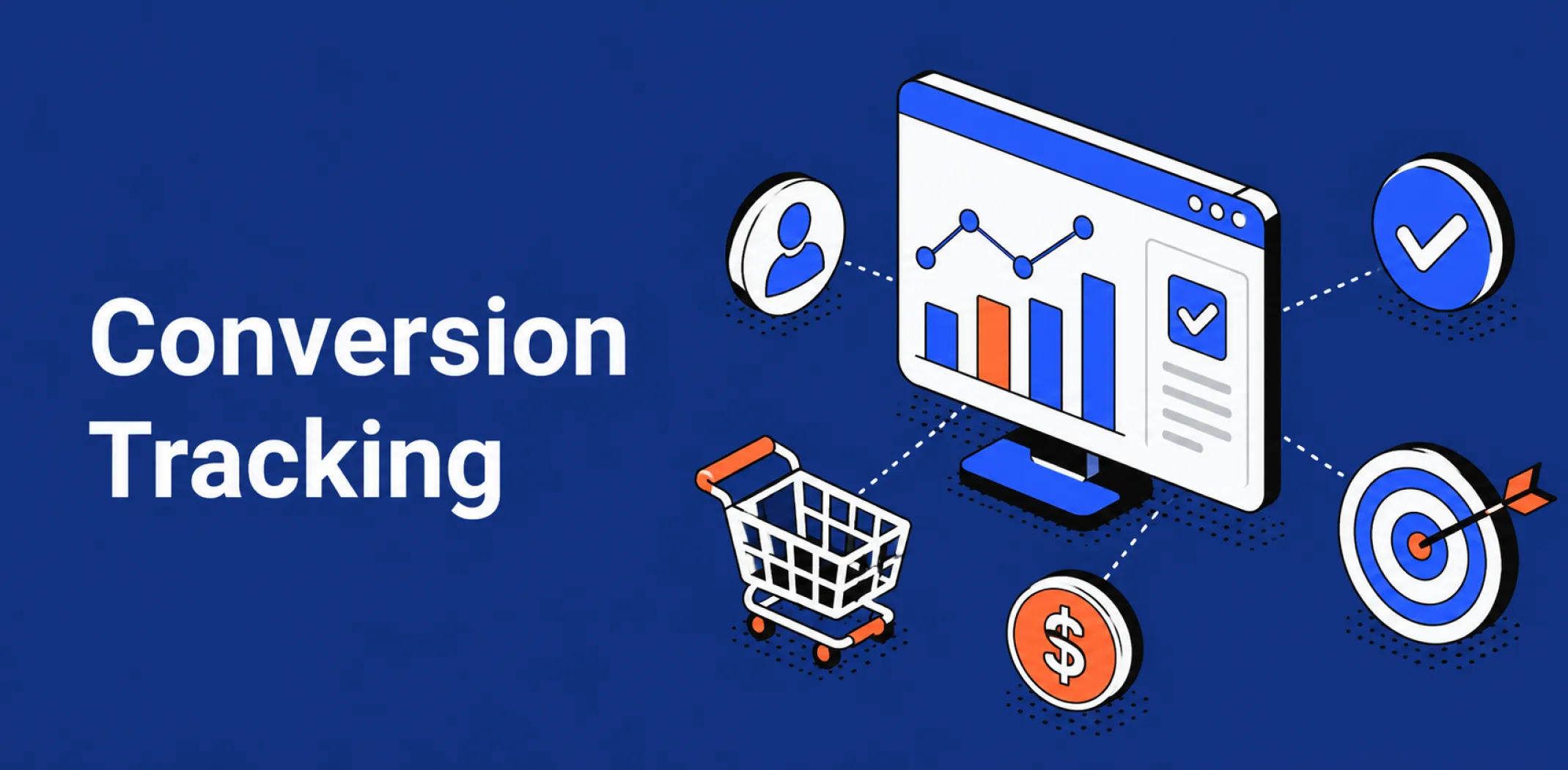
Conversion tracking is a process in which an advertiser records when a user completes a specific action, such as a purchase, after clicking an ad, using code or a tracking pixel installed on the store’s website.
Advertisers define which actions count as conversions, such as a completed purchase, an add to cart, or a newsletter signup, and assign a value to each one where relevant. When a user clicks an ad and later completes one of these actions within a set attribution window, the tracking code reports the event back to the ad platform, linking it to the specific ad, keyword, or campaign that drove the click.
Conversion tracking differs from general website analytics, which records all site activity regardless of ad source, because it ties a specific outcome back to a specific ad. Within dropshipping, it is the primary method used to measure return on investment across campaigns and decide which ads to scale or pause.
How conversion tracking works
- The store owner installs a tracking pixel or software development kit on the store’s website.
- The store owner defines conversion events, such as Purchase or Add to Cart, within the ad platform.
- A user clicks an ad and the platform stores an identifier linked to that click.
- If the user completes a defined event within the attribution window, the tracking code sends a report to the platform.
- The platform matches the reported conversion back to the originating ad, ad set, and campaign.
- The store owner reviews conversion data in the ad platform’s dashboard to compare campaign performance.
Example
A store running ads for a phone case sets up conversion tracking through a pixel and defines Purchase as the main conversion event. A user clicks the ad, browses the store, and completes checkout two days later. The pixel reports the purchase back to the ad platform, which credits the sale to the original ad. The store owner then sees which specific ad generated the sale and increases its budget for that product advertising campaign accordingly.
Key characteristics
- Attribution window: A set period, often 1 to 30 days, during which a conversion is credited back to a click or view.
- Event-based: Tracking is built around specific defined actions rather than general page views.
- Cross-device limitations: A conversion completed on a different device than the one used to click the ad may not always be matched correctly.
- Privacy-dependent: Browser and platform privacy changes can limit how much conversion data is captured and reported.
Related terms
- Product advertising – the broader marketing activity conversion tracking is used to measure.
- Conversion funnel – the sequence of steps a conversion tracking event is drawn from.
- Return on investment – a metric conversion tracking data is commonly used to calculate.
- Retargeting audience – an audience type often built using data collected through conversion tracking.
- Average order value – a metric that conversion tracking can report alongside purchase events.
Frequently asked questions
Is conversion tracking the same as website analytics?
No, website analytics records all site activity, while conversion tracking specifically ties a defined action back to the ad or campaign that generated it.
Does conversion tracking require a pixel?
In most cases yes, though some platforms also support server-side or application programming interface based tracking that does not rely solely on a browser pixel.
What happens if conversion tracking is not set up?
Without it, an advertiser can generally see clicks and impressions but cannot reliably determine which ads led to actual purchases or other valuable actions.
AliDropship: An all-in-one platform for starting dropshipping in 2026
AliDropship is a dropshipping platform that covers store creation, product imports, order automation, and marketing within a single system. It is designed for users with no prior ecommerce experience, though it also supports scaling for more established stores.
🛍️ Free turnkey store
New users receive a free pre-built store – set up, designed, and stocked with products. The store includes a ready-to-use product catalogue and a standard storefront design. It also comes with hosting, a domain, SSL, and payment systems already set up and included.
📦 Products
The platform provides access to a product catalogue covering both trending and niche items, with one-click import to your store. The catalogue is updated regularly to reflect current market availability. Products can be browsed, filtered, and added without leaving the platform.
🚚 Shipping & fulfillment
AliDropship provides access to a vast catalogue of products from global suppliers and handles order fulfillment automatically once a purchase is made. Customers receive tracking information directly, and orders are processed without manual intervention from the store owner.
📣 Marketing & promotion tools
The platform includes built-in marketing tools covering email campaigns, discount management, SEO settings, and social media integration. These are available within the dashboard and do not require third-party subscriptions for basic use.
👌 Ease of use
AliDropship requires no coding knowledge. The dashboard contains all the necessary tools for managing your store, products, and orders in one place. Additional features and products can be added as the store grows without rebuilding the existing setup.
What is conversion tracking in dropshipping?
How long is a typical attribution window?
Does conversion tracking work across different devices?
Why might conversion tracking data be incomplete?
Can conversion tracking be set up without coding experience?
Are you ready to become an owner
of a profitable online business?
Free Dropshipping Guide