Apps Like Instacart: Top Gig And Side Hustle Apps

Instacart gets a lot of attention, but it is far from the only way to turn your time into income with a smartphone. Whether you are looking for grocery delivery gigs, food delivery routes, pet care work, or flexible task-based jobs, there are more options in 2026 than ever before. Some pay better. Some are easier to get into. Some work better with a bike than a car. And a few do not require you to leave the house at all.
This guide covers the best apps like Instacart to make money in 2026, broken down by category so you can find the right fit for your schedule, vehicle, and income goals. Each app listed is legitimate, currently active, and has a documented track record of paying gig workers.
Quick Answer: The best apps like Instacart to make money include DoorDash, Shipt, Amazon Flex, TaskRabbit, Rover, and Wag – with hourly earnings ranging from $15 to $50+ depending on the app, your location, and how strategically you work your schedule.
Before jumping into the full list, it is worth understanding what makes a gig app genuinely worth your time. Earnings vary enormously based on your market, the hours you choose, and whether you are stacking multiple platforms at once. The apps covered here span delivery, errands, skilled tasks, pet care, and on-demand staffing – giving you a complete toolkit for building a flexible income in 2026.

What are apps like Instacart?
Apps like Instacart are gig economy platforms that connect independent workers with people or businesses who need tasks completed on demand. The original Instacart model is straightforward: shoppers pick up groceries from partner stores and deliver them to customers’ homes, earning per batch plus tips. But the broader category of “apps like Instacart” now includes food delivery, package delivery, pet care, moving help, skilled handyman work, and on-demand staffing shifts – all operating on the same core principle of flexible, app-based work you can pick up whenever you want.
In 2026, the gig economy has an estimated 76 million US workers involved in some form of independent or freelance work, making up roughly 36% of the workforce. Gig apps are no longer a niche workaround – they are a mainstream income layer for millions of people who want to supplement a day job, cover a gap between roles, or build a full-time hustle from scratch.
What makes these platforms useful is the low barrier to entry. Most require a background check, a smartphone, and a bank account. There are no interviews, no rigid schedules, and no long-term commitments. You sign up, get approved – often within a few days – and start earning.
How much can you realistically earn?
This is the question that matters most, and the honest answer is: it depends heavily on the app, your location, and your approach. Delivery drivers and gig workers routinely report earning $100 to $200 per day during peak hours, but that is not the everyday baseline – it is what happens when you work smart, target the right time slots, and sometimes stack two or three apps simultaneously.
Here is a realistic breakdown of earning potential across the major categories of apps like Instacart to make money:
Food delivery apps are the easiest to start with but tend to have the lowest ceiling. Skilled task platforms like TaskRabbit offer considerably more per hour once you build a strong profile and repeat client base. Pet care apps sit in the middle – lower barrier than TaskRabbit but better tips and repeat business than most food delivery.
One note on these figures: These are gross earnings before vehicle costs, fuel, and self-employment taxes (typically 15.3% in the US). Net take-home on delivery apps runs closer to $12 to $18 per hour after expenses. Most experienced gig workers recommend tracking mileage carefully and filing quarterly estimated taxes to avoid a surprise bill.
The workers who genuinely earn well from gig apps consistently use two strategies: stacking apps (running two or three platforms simultaneously to fill dead time) and targeting peak hours – lunch, dinner, and weekend rushes for delivery, Friday evenings for grocery shopping, and weekend mornings for task-based work.
Best food delivery apps like Instacart to make money
Food delivery apps are the most accessible entry point into gig work. They require a vehicle (or sometimes just a bike), a clean background check, and a smartphone. Most people are approved and completing their first orders within a week of signing up.
Grocery and shopping delivery apps
Shipt
Shipt is the closest direct alternative to Instacart. It partners with major retailers including Target, CVS, and Meijer, and shoppers earn per order plus tips. One key difference from Instacart is that Shipt shoppers frequently develop repeat client relationships – regular customers who request the same shopper week after week. That repeat business translates into more predictable income and consistently higher tips. Shoppers in suburbs particularly tend to report strong tip income, with some building near full-time earnings from a loyal customer base alone.
Earning potential: $15–$22/hr average, with experienced shoppers in high-demand areas reaching $30/hr with tips.
DoorDash
DoorDash is the largest food delivery platform in the US, holding over 60% of total food delivery market share. For drivers, that market dominance translates into consistent order flow, which is the single most important factor in delivery earnings. The app offers flexible scheduling, transparent pay before you accept an order, and “Peak Pay” bonus periods during lunch, dinner, and late-night rushes. DoorDash also offers a Fast Pay feature for daily cash-outs. Most part-time Dashers work around four hours per week and report steady satisfaction with their pay. For maximizing earnings, experienced drivers recommend working near restaurant clusters during peak hours and stacking DoorDash with another app to cover gaps.
Earning potential: $15–$25/hr gross, with strategic multi-apping pushing daily earnings to $100–$150 during peak shifts.
Uber Eats
Uber Eats is DoorDash’s closest competitor and the second most popular delivery platform globally. One practical advantage is that if you are already driving for Uber, switching between rideshare and food delivery is seamless – the same app, same account. Uber Eats tends to have strong demand in urban centers and college towns, and surge pricing during high-demand windows can significantly boost hourly rates. The tipping feature is built directly into the app, and many drivers report that restaurant proximity matters a lot – the shorter the pickup distance, the faster the turnaround and the higher the effective hourly rate.
Earning potential: $15–$25/hr gross, with surge pricing adding $3–$8 per order during peak windows.
GoPuff
GoPuff operates differently from most delivery apps. Instead of picking up orders from restaurants or stores, drivers collect pre-packaged orders from GoPuff’s local fulfillment micro-warehouses. That single change makes a big practical difference: no waiting in restaurant queues, no navigating grocery aisles, and faster, more predictable delivery routes. GoPuff covers snacks, beverages, household essentials, and alcohol (in supported markets), and its flat-rate delivery structure means less income variability than tip-dependent platforms. It is a particularly good option for drivers who find the unpredictability of restaurant wait times frustrating.
Earning potential: $15–$20/hr with consistent order flow, most reliable in dense urban markets.
Package and parcel delivery apps
Amazon Flex
Amazon Flex works on a block-based system rather than on-demand orders. You sign up, pick available 3- to 4-hour delivery blocks in advance, collect packages from an Amazon warehouse, and deliver them to homes in your area. There is no shopping, no restaurant waiting, and no customer interaction beyond handing over a parcel. The predictability is the main appeal – you know roughly what you will earn before you commit to a shift. Amazon Flex drivers are among the highest earners in the delivery category, with average gross pay of $18–$25 per hour. Blocks fill up quickly in most markets, so the main challenge is securing your preferred shifts, especially on weekends.
Earning potential: $18–$25/hr gross, with some markets offering guaranteed earnings promotions.
Lyft / Uber (rideshare)
Rideshare is not a delivery app, but it belongs in any honest list of apps like Instacart to make money because the model is virtually identical: flexible, app-based, no fixed schedule, paid per trip. Uber and Lyft both report average earnings of $14–$20 per hour net after expenses, which is on par with most delivery apps. The key difference is income variance – rideshare surges during events, Friday evenings, and airport rushes can push effective hourly rates significantly higher for drivers who position themselves strategically. Many gig workers run rideshare alongside a delivery app to stay consistently busy during slow delivery periods.
Earning potential: $800–$1,500/month for part-time drivers, with full-time consistent drivers earning $2,000–$3,500/month.
Best task and skilled work apps like Instacart
If you have practical skills – furniture assembly, moving, cleaning, handyman work, or tech help – task-based apps offer considerably higher hourly rates than delivery platforms. The trade-off is that they require building a profile, collecting reviews, and putting in more physical effort per job. The upside is a much higher earning ceiling.
Handyman and skilled task apps
TaskRabbit
TaskRabbit is the market leader for on-demand skilled task work in the US and one of the highest-earning gig apps available in 2026. Taskers set their own hourly rates across categories including furniture assembly, TV mounting, moving help, yard work, cleaning, and general handyman tasks. New Taskers often start at $25–$35 per hour to build reviews, while experienced workers in major cities report rates of $60–$75+ per hour. TaskRabbit expanded to all 50 states in 2025, though demand concentrates in urban and suburban markets. The platform charges a one-time $25 registration fee but takes no ongoing commission from worker earnings – you keep 100% of what you charge. According to data from Investopedia and Penny Hoarder, the platform average sits around $37.56 per hour, with elite Taskers in moving and handyman categories reaching $10,000+ per month.
Earning potential: $25–$75/hr depending on category and market, with full-time skilled Taskers earning $1,500–$3,000/month.
Dolly
Dolly is a moving and heavy-item delivery platform that connects people needing help with furniture, appliances, and household moves to workers with trucks or vans. If you have a suitable vehicle, Dolly is one of the best-paying apps like Instacart available – average hourly earnings sit at $35–$50 per hour, which is substantially above most delivery apps. You can apply as a “Helper” (with a vehicle) or as a “Hand” (physical lifting only, no vehicle required). The work is physically demanding, but you see a guaranteed payment estimate before accepting any job, which removes the income unpredictability common on tip-dependent platforms.
Earning potential: $35–$50/hr, with truck owners earning at the higher end of the range.
Handy
Handy connects skilled cleaners and tradespeople with clients for one-time or recurring home services. Cleaners earn up to $22 per hour, while skilled tradespeople – painters, plumbers, handymen – earn up to $45 per hour. The platform is available in most major US cities, and the recurring booking model means that once you build a good client base, your schedule fills more predictably than on-demand delivery. Top pros on the platform reportedly earn over $1,000 per week. If you have a cleaning or trades background, Handy is one of the more underrated apps like Instacart for consistent part-time or full-time income.
Earning potential: $22–$45/hr depending on service type, with top earners clearing $4,000+/month.
Best pet care apps like Instacart
Pet care gigs sit in a sweet spot that most delivery-focused lists overlook. The work is low-stress compared to delivery, repeat client relationships develop quickly, and tips are proportionally high in suburban and affluent urban markets. If you are an animal lover, these apps deserve serious consideration alongside the usual delivery options.
Dog walking and pet sitting apps
Rover
Rover is the largest pet care platform in the US, covering dog walking, pet sitting, overnight stays, drop-in visits, and doggy daycare. One key feature that sets it apart from most gig apps is that workers set their own prices and create profiles rather than accepting whatever the platform assigns. That means earnings scale with your reputation – as you accumulate five-star reviews and repeat bookings, you can raise your rates. Dog sitters who build a loyal client base report earning $500–$1,000+ per month on the platform, with overnight stays paying $50–$100+ per night in most markets. Rover takes a 20% commission on each booking, which is higher than some platforms but offset by the quality and volume of leads it generates.
Earning potential: $16–$32/hr for walks, $500+/month for part-time sitters with repeat clients.
Wag
Wag operates more like an on-demand delivery app than a profile-based marketplace – you accept walk requests in real time rather than waiting for clients to find your profile. That model means faster onboarding and quicker first earnings, but less repeat business stability than Rover. For gig workers who want pet care income without building a full profile from scratch, Wag is a solid starting point. Many workers recommend running both Wag and Rover simultaneously: Wag fills on-demand gaps while Rover builds the long-term client base. Wag also offers boarding and drop-in services in addition to walks, expanding the earning opportunities beyond a single service type.
Earning potential: $15–$25/hr for walks, with boarding and overnight services adding to monthly totals.
Best on-demand staffing apps like Instacart
On-demand staffing apps are less talked about than delivery or task platforms, but they fill a specific need: structured shifts with predictable hourly pay, often in warehouses, events, hospitality, and retail. They are closer in feel to a temp agency than a traditional gig app, but with the same flexibility of choosing your own schedule.
Shift-based gig work apps
Wonolo
Wonolo – short for “Work Now Locally” – connects workers with companies that need to fill immediate staffing gaps across warehouse, delivery, stocking, and event roles. You browse available jobs through the app, see the hourly pay and hours required upfront, and accept the shifts you want. Pay ranges from $12 to $20 per hour depending on the role and market, which is consistent with entry-level gig work. Wonolo does not take a commission from workers – fees come from the hiring company – so you keep 100% of what you earn. It is particularly strong in urban areas and has a 4.4-star rating on Google Play with over 1 million downloads.
Earning potential: $12–$20/hr for warehouse and stocking roles, with some skilled event shifts paying more.
Instawork
Instawork focuses on hospitality, food service, warehousing, and event staffing. Like Wonolo, it lets you pick shifts on your own schedule and charges the hiring business rather than the worker. One differentiator is Instawork’s rating system – workers build a profile score that unlocks better-paying shifts over time, rewarding reliability and performance. It is available in most major US cities and particularly strong for anyone with restaurant, catering, or event experience who wants to monetize those skills without committing to a permanent employer.
Earning potential: $14–$22/hr with access to higher-paying specialized shifts as your rating grows.
How to choose the best app like Instacart for your situation
With so many options, the right starting point comes down to four practical factors: your vehicle, your location, the hours you have available, and your income goal. Here is how to map those factors to the right apps.
The most consistent earners across all categories use the stacking approach – running two or three complementary apps simultaneously to eliminate downtime. A common combination is DoorDash for food delivery, Shipt for grocery batches, and Rover for weekend pet care bookings. Each app fills a different time slot and customer type, spreading your income across multiple streams.
Tips for earning more from apps like Instacart
Work peak hours, not all hours
The difference between $12 per hour and $22 per hour on the same delivery app is almost entirely about timing. Lunch (11am–1pm), dinner (5pm–8pm), and weekend mornings for grocery shopping are when order volume spikes and bonuses activate. Working four focused peak hours can outperform eight unfocused off-peak hours. Track your earnings by time slot for two weeks and then cut the low-earning windows completely.
Stack apps strategically
Multi-apping – running two or more platforms at the same time – is the open secret of high-earning gig workers. The key word is strategically: accept an order on one app, and while waiting for that batch to start, accept a quick order on a second app nearby. This only works reliably with apps that are geographically overlapping and compatible in timing. Many experienced drivers combine DoorDash and Uber Eats during dinner rushes, or Shipt and Instacart for grocery batches in the same neighborhoods.
Build your rating early and protect it
On every platform covered in this guide, your rating directly affects your earning potential. Higher-rated workers get access to better orders, premium shifts, and repeat bookings. The first 20–30 deliveries or tasks are critical – treat them as your portfolio-building phase. Communicate proactively, follow instructions, and do not accept orders you cannot complete on time. A strong early rating compounds over months into a meaningfully higher income.
Track your expenses for tax purposes
Every mile you drive for gig work is deductible at the IRS standard mileage rate (65.5 cents per mile as of recent guidance). For a driver covering 200 miles per week, that is roughly $52 per week in deductions – over $2,700 per year. Use a mileage tracking app from day one. Combined with phone costs, insulated delivery bags, and platform fees, your taxable gig income can be reduced substantially. Ignoring this is one of the most common and expensive mistakes new gig workers make.
Know when to stop scaling gig apps
There is a ceiling on gig app earnings that is built into the model: your income is capped by the number of hours you can physically work. The most productive gig workers tend to realize this ceiling around the $2,000–$3,500 per month mark and start looking for income that does not scale one-for-one with time. That is worth keeping in mind from the start.
Legal and practical considerations
Using apps like Instacart to make money is legitimate work, but there are a few legal and practical points worth understanding before you start.
You are an independent contractor: Every major gig platform classifies workers as independent contractors, not employees. That means no employer withholding of taxes – you are responsible for estimating and paying quarterly self-employment taxes. Setting aside 25–30% of gross earnings is a reasonable starting rule of thumb.
Vehicle insurance matters: Personal auto insurance policies typically do not cover commercial use of your vehicle. Most delivery apps provide some level of contingent coverage while you have an active delivery in progress, but that coverage has gaps. Check your policy and consider a rideshare or delivery rider if you are driving significant mileage.
Key principle: Do not game ratings or create fake accounts on any platform. Platforms actively detect this, and getting banned removes your income source entirely – with no appeal process on most apps.
Important: Some cities and states have enacted specific regulations around gig work, minimum pay floors, and required benefits. California, New York, and several other states have laws that affect how gig apps operate locally. Check the platform’s local requirements page before signing up.
Final thoughts: which app is right for you?
The best apps like Instacart to make money in 2026 are not one-size-fits-all. Here is how to match the right starting point to where you are right now.
Complete beginner
Start with DoorDash. It has the largest order volume in the US, a straightforward pay model, a Fast Pay option for daily cash-outs, and the most beginner-friendly onboarding of any delivery platform. Once you have two to four weeks of experience and understand the dynamics of your local market, add Shipt or Uber Eats as a second income layer.
Part-time hustle alongside a day job
Rover or Wag for pet care income fills evenings and weekends with lower physical demand than delivery. If you have practical skills, TaskRabbit weekend jobs in furniture assembly or TV mounting can earn $25–$75 per hour with a relatively small time commitment. Both options build repeat income over time rather than requiring you to be on the road every day.
Full-time income goal
If you want to replace a full-time salary with gig income, the most viable path is to stack three to four complementary apps and specialize in the highest-earning category available in your market. TaskRabbit moving and handyman work in a major city, combined with Dolly for big-ticket moving jobs and Amazon Flex for predictable block income, gives you the best combination of hourly rate and schedule reliability. Set a specific monthly target and track your earnings weekly to stay on course.
Why this works in 2026: The US gig economy is still growing, demand for on-demand services has not peaked, and the infrastructure for independent workers – better app design, faster pay, multi-apping tools – is more mature than at any point in the industry’s history. There has never been a better time to stack these platforms intelligently.
AliDropship: Your complete all-in-one solution for starting dropshipping in 2026
If you want the simplest possible way to start dropshipping – especially if you’re brand new – AliDropship remains one of the most beginner-friendly tools available in 2026. It brings together store creation, product imports, automation, and marketing into a single streamlined system designed to help you launch quickly and grow confidently.
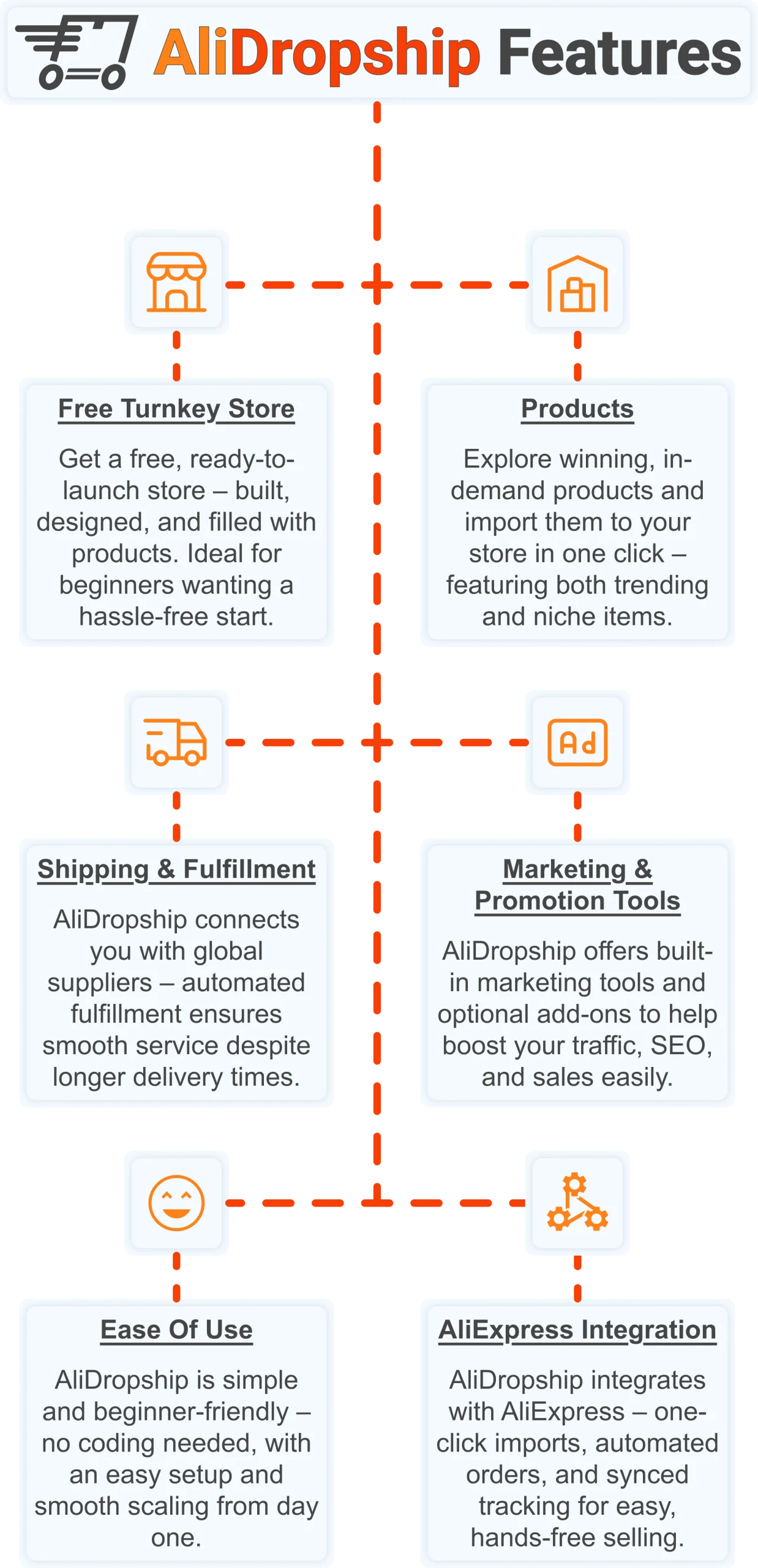
Free turnkey store 🛍️
Get a free turnkey store – built, designed, and filled with products. Ideal for beginners wanting a hassle-free start, the store comes fully optimized to attract customers right away, saving you time on setup. Plus, it includes professional design elements to give your business a polished, trustworthy look from day one. This ready-made foundation makes it easy to move seamlessly into product selection.
Products 📦
Once your store is set up, you can explore winning, in-demand products and import them in one click – featuring both trending and niche items. This wide selection lets you cater to diverse customer interests and test what works best. Regular updates ensure you always have fresh products, keeping your store competitive and relevant. With great products in place, smooth shipping becomes the next essential step.
Shipping & fulfillment 🚚
AliDropship connects you with global suppliers, and automated fulfillment ensures seamless order processing despite international delivery times. Customers receive real-time tracking updates, which builds confidence and trust in your store. Once shipping is handled reliably, you can focus on promoting your store and attracting traffic.
Marketing & promotion tools 📣
To maximize sales, AliDropship offers built-in marketing tools and optional add-ons that help boost traffic, SEO, and conversions. From email campaigns and discounts to social media integration, these tools empower you to reach and retain customers without needing prior marketing experience. With promotion strategies in place, managing your business becomes simpler and more efficient.
Ease of use 👌
AliDropship is beginner-friendly – no coding needed, with an intuitive dashboard that guides you through every step. Easy setup and smooth scaling let you expand your store without stress. As your business grows, adding new features, products, and marketing campaigns remains hassle-free, giving you more time to focus on sales.
AliExpress integration 🛒
Finally, AliDropship integrates seamlessly with AliExpress, enabling one-click imports, automated orders, and synced tracking. Your inventory stays up-to-date with the latest products and prices, while automated order processing frees you from manual tasks. Combined with the turnkey setup, reliable shipping, and built-in marketing tools, this integration ensures your dropshipping business is fully equipped for growth and success.
While apps like Instacart and DoorDash offer real income, they all share the same ceiling – your time. If you are ready to build income that runs beyond your working hours, claim your free AliDropship store and $100 welcome gift today.
What are the best apps like Instacart to make money in 2026?
How much can you realistically earn from apps like Instacart?
Can you make money with apps like Instacart without a car?
What is the highest paying app similar to Instacart?
Is it worth using multiple apps like Instacart at the same time?