

SERP (Search Engine Results Page)

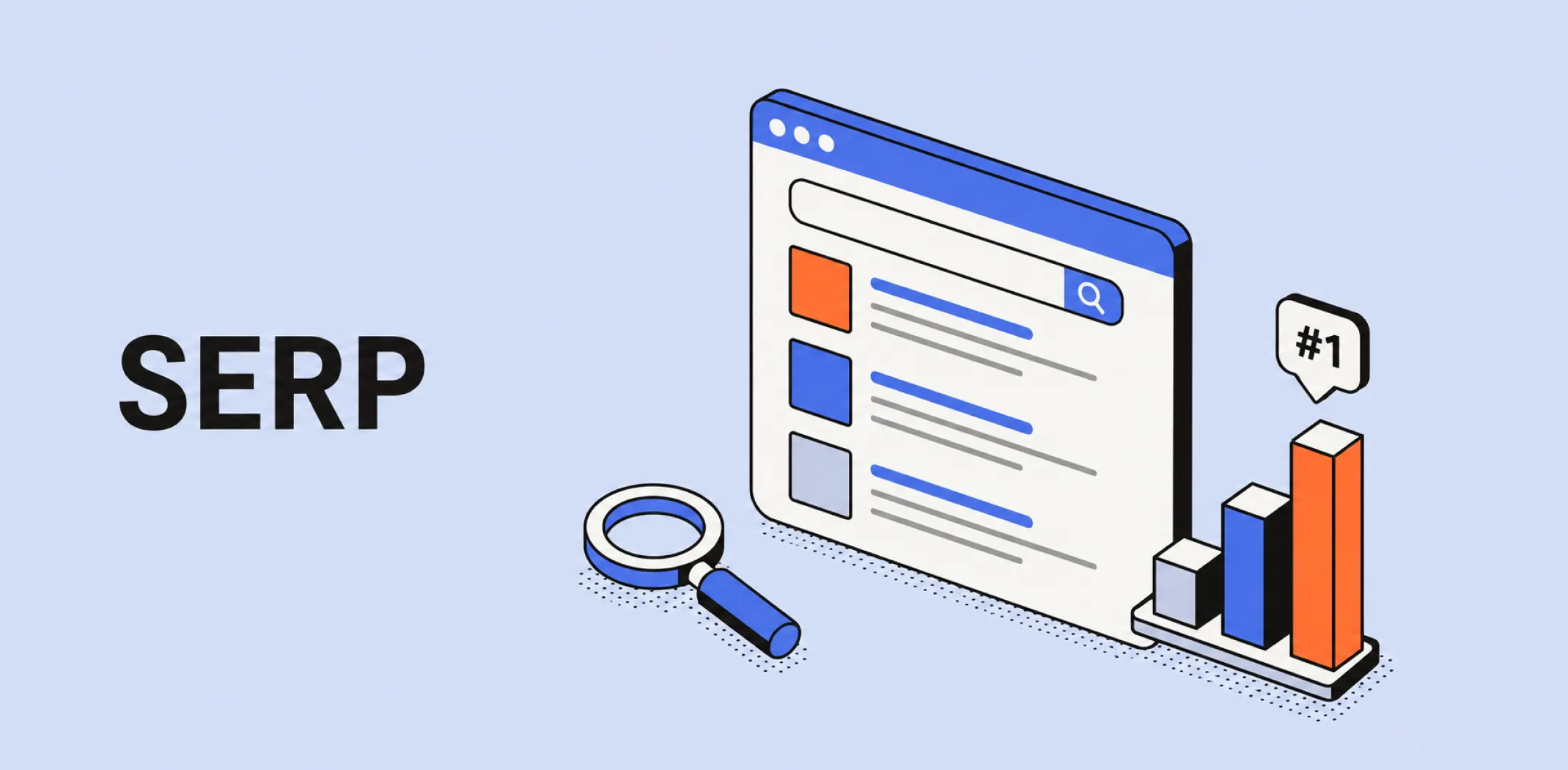
A SERP, or search engine results page, is the page a search engine displays in response to a user query, containing organic listings, paid ads, and other result formats arranged in a specific order. The term is most often used in the context of Google, though every search engine produces its own version of a SERP.
A SERP rarely consists of a single, uniform list of blue links anymore. Modern SERPs mix organic search results with paid ads, featured snippets, local map packs, image carousels, video results, People Also Ask boxes, and shopping listings, and the exact combination depends on the query and the search engine.
Because screen space at the top of a SERP is limited, ranking position and SERP feature placement directly influence how much traffic a page receives, which is why SEO and content teams monitor SERP layouts closely when planning keyword targets.
Example
A store owner searching portable neck fan sees a SERP that opens with several paid shopping ads, followed by a handful of organic product listing pages, then a People Also Ask box with four related questions, and finally standard organic results further down the page. A listing that ranks first organically but appears below three ad units and a shopping carousel may still receive far fewer clicks than its ranking position suggests, since users often engage with the visual elements above it first.
Key characteristics
- Query dependent layout: The mix of organic results, ads, and other elements on a SERP changes based on what is being searched.
- Personalization: Two users searching the same term can see different SERPs based on location, device, and search history.
- Feature competition: Ranking in position one no longer guarantees the top visual spot, since ads and SERP features can appear above organic results.
- Constant evolution: Search engines regularly add, remove, or redesign SERP features, which changes how existing content performs without any change to the content itself.
- Device variation: Mobile and desktop SERPs for the same query often differ in layout and which features are shown.
Related terms
- Search intent – the goal behind a query that search engines use to decide which results and SERP features to display.
- Keyword research – the process of identifying terms worth targeting, often informed by what their SERPs already contain.
- On-page SEO – page-level optimization work aimed at improving a listing position within the SERP.
Frequently asked questions
What is the difference between a SERP and a search engine?
A search engine is the system that processes a query and retrieves matching content, while a SERP is the actual results page that the search engine generates and displays for that specific query.
Do all SERPs look the same for the same search term?
No, SERPs can vary by location, device, search history, and even the time of day, since search engines personalize and update results continuously.
Why do businesses pay attention to SERP features?
SERP features such as featured snippets and local map packs occupy prominent space above standard organic results, so appearing in them can drive significant traffic even without holding the top organic ranking.
AliDropship: An all-in-one platform for starting an online business in 2026
AliDropship is an online business platform that gives customers a ready-made store, a digital products catalogue, and built-in, one-click advertising within a single system. Founded in 2015 and based in Irvine, California, it has helped launch more than 1,500,000 stores and holds a 4.7-star rating on Trustpilot. It is built for people with no prior experience and no technical skills.
🆓 Free 14-day trial
New users get full platform access for 14 days, including a ready-made store, hosting, a domain, an SSL certificate, and access to the digital products catalogue. The trial also includes a $40 ad coupon to test the advertising system. Order fees apply only when a sale is made.
📦 Digital products
Customers choose from AliDropship’s catalogue of digital products – guides, courses, checklists, tools, and AI-powered toolkits – and keep up to 70% of every sale. Delivery is instant and automated, so there is no inventory, shipping, or manual fulfillment involved.
📣 One-click advertising
AliDropship includes built-in advertising that customers can turn on for as little as $10 a day. The system handles targeting, creatives, and optimization, and many customers see their first orders the same day they launch ads.
👌 Ease of use
AliDropship requires no coding or marketing experience. The store, products, and ads are managed from a single dashboard that works on a phone as well as a desktop, and a personal growth manager is available to help by chat.
💳 Monthly plan
After the trial, continued access is $39 a month, covering the store, the digital products catalogue, and ongoing support. There is no long-term contract, and the plan can be cancelled at any time.
How many results typically appear on a SERP?
What SERP features can appear above the standard organic listings?
How does SERP position affect click through rate?
Can two people see different SERPs for the exact same search?
How often does a SERP change for a given keyword?
Are you ready to become an owner
of a profitable online business?
Free Dropshipping Guide