
Best Digital Products To Sell In 2026: Complete Guide To Passive Income

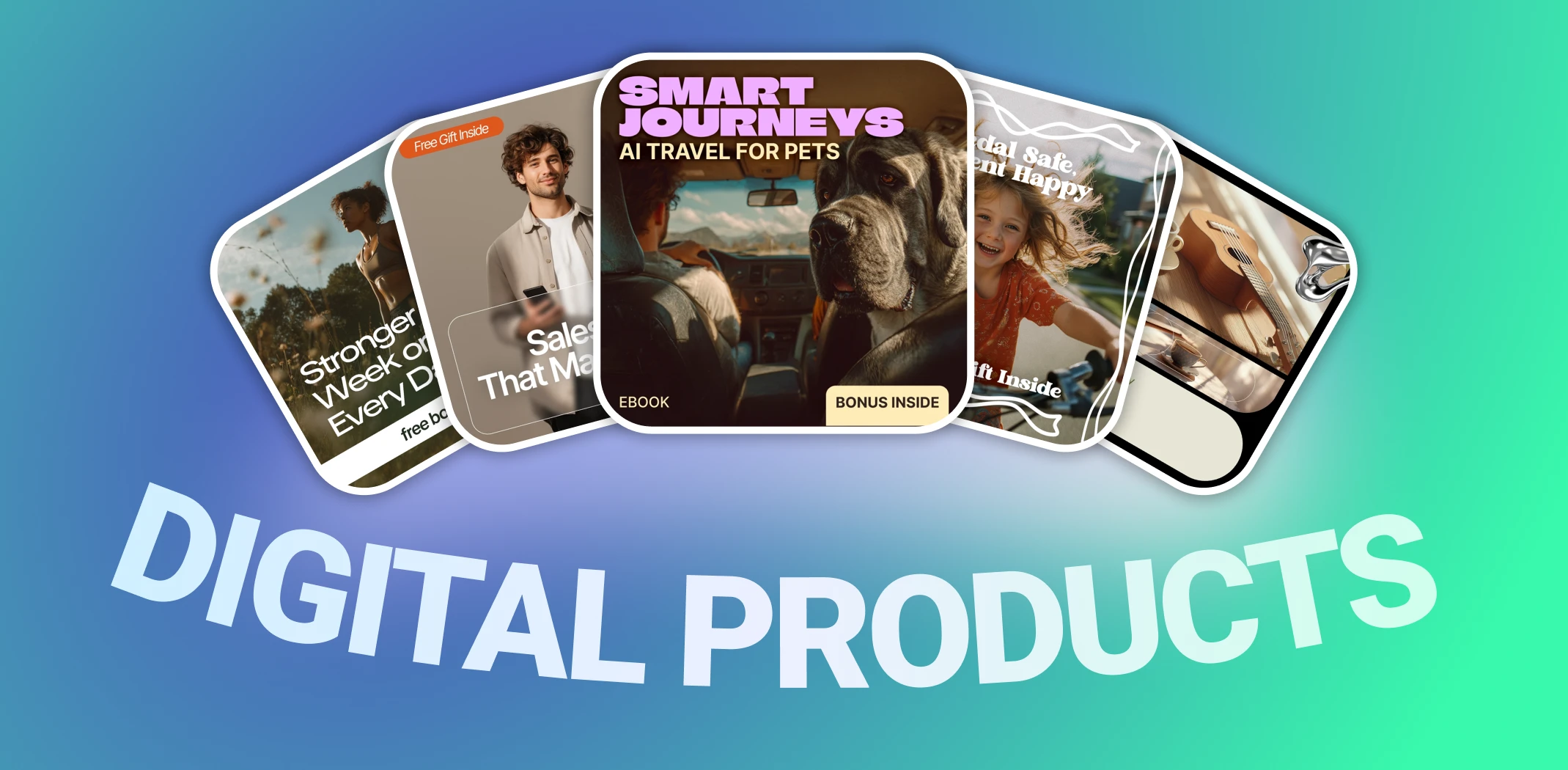
Selling digital products means no inventory, no shipping and no returns desk, but in 2026 it also means competing with free AI tools that can generate a decent checklist in seconds.
On October 22, 2026, Etsy banned AI-generated patterns, recipes and instructions and prohibited bot-made listings, saying AI-generated listings are eroding buyer trust. The signal is clear: volume no longer wins, proof does. If you have been curious about making money online without managing inventory, returns or logistics, digital products to sell are still worth a serious look – as long as you choose them with care.
In this guide, we walk you through what digital products are, which niches still show demand, where to sell them, how to market them, and what results can realistically look like. We also add a simple test for deciding whether an idea is worth building.
What digital products are and why they still make sense
A digital product is anything intangible that is delivered online: downloadable guides, video courses, templates, software, audio or curated collections. The buyer gets a file or an access link the moment they pay, so you carry no stock and pay no shipping.
The economics beat physical goods, but “high margin” needs a caveat. Your costs shift from inventory to time, traffic and platform fees, and the fixed part of those fees hurts cheap products most. On a $10 sale in the US, Etsy takes about $1.40 (14%) before ads, and Gumroad’s direct-sale rate plus card processing takes about $2.09 (21%).
That is why price and packaging matter. Four $5 downloads sold separately pay four sets of fixed fees; one $20 bundle pays one.
The 2026 shift: Proof beats volume
For years the advice was to make more and list more. In 2026 the platforms are moving the other way, and a product now needs evidence that a real person made it and that it works.
Etsy’s October 22 update shows the direction. According to Digital Commerce 360’s report, it now:
- Bans AI-generated functional guides, including patterns, recipes and instructions, and requires listings for them to show a real result made from the seller’s own instructions.
- Prohibits bot-generated listings with no human involvement and removes them.
- Requires at least one unedited photo of the actual item, so check Etsy’s listing-image policy for how that applies to downloads.
- Still allows AI-generated art when the seller plays a clear creative role and discloses AI use.
- Flags AI-generated images at upload and plans to extend detection to existing listings over time.
That is one marketplace, but it is a useful signal for the whole category. Our read: a free AI tool can now produce a passable generic checklist in seconds, so a buyer can often make the same thing themselves. Before you build, run the prompt-it-yourself test.
| Question | Weak answer | Strong answer |
|---|---|---|
| Could a buyer get most of this from one prompt? | A generic list of tips | A tested sequence, a decision tool, or a checklist built from real cases |
| Is there proof it works? | “Trust us” claims | A real result, a sample page, a before-and-after, or your own use |
| Where does a human show up? | Nowhere visible | Your method, data, edits, voice or a named reviewer |
| What does the buyer do next? | Read it once and forget it | Use it weekly: a template, tracker or planner |
Products that pass tend to be tested systems, templates that slot into a routine, curated choices, and anything with a real voice or real results behind it. Generic prompt packs and thin listicles tend to fail.
The opportunity has not disappeared. It has moved from making more to proving more. This is our read of the direction, not a rule of any platform.
How to choose your niche
Pick the niche where proven demand meets something you can credibly deliver, not simply the trendiest category. Score three or four ideas against the table below, then build the one that scores best.
| Check | Ask yourself | Where to look |
|---|---|---|
| Demand | Are people already searching and buying? | Google Trends, Etsy search suggestions, a keyword tool such as Semrush |
| Credibility | Can I show real knowledge or a real result? | Your own experience, tests and case examples |
| Prompt-it-yourself | Would a buyer skip my product and ask an AI instead? | The test in the previous section |
| Repeat potential | Can I sell updates, a series or a membership? | Buyer questions and seasonal cycles |
| Sensitivity | Do health, money or child-safety claims apply? | Platform rules and a qualified reviewer |
Also decide how you want to be paid. One-time purchases suit checklists and templates, while subscriptions or licensing suit content that needs regular updates and creates recurring revenue.
The best digital products to sell right now
These ten niche groups still show steady demand. Each entry lists formats that sell, a real example, and a way to stand out from a free AI answer.
Wellness and mindset
People always pay for help sleeping better, moving more and focusing. Formats that sell include habit trackers, journaling prompts, stress workbooks and beginner training plans.
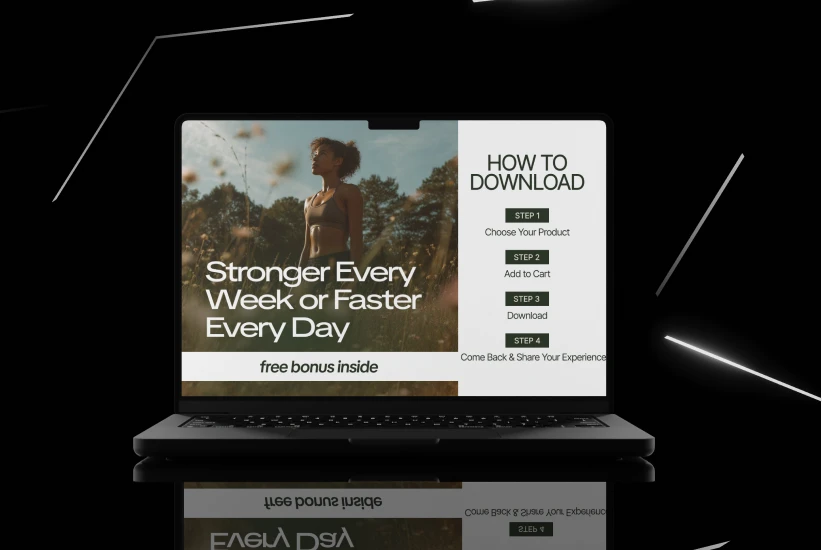
A good example is Stronger Every Week or Faster Every Day, a fitness guide that helps buyers choose between strength training and cardio for their goals.

Another is Daily Planner Spark, a checklist built around habits instead of rigid task tracking.
How to stand out: keep claims educational, never promise a health outcome, and show how the plan was tested.
Beauty and personal style
Beauty and fashion audiences return for fresh content, which suits regularly updated collections and memberships. Formats include skincare routine guides, capsule wardrobe planners and seasonal lookbook templates.
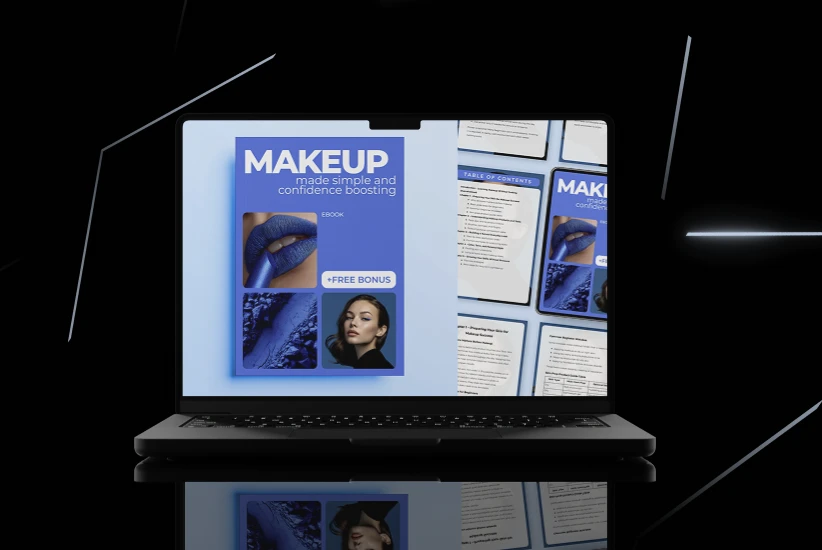
A good example is Makeup Made Simple and Confidence Boosting, a beginner ebook.
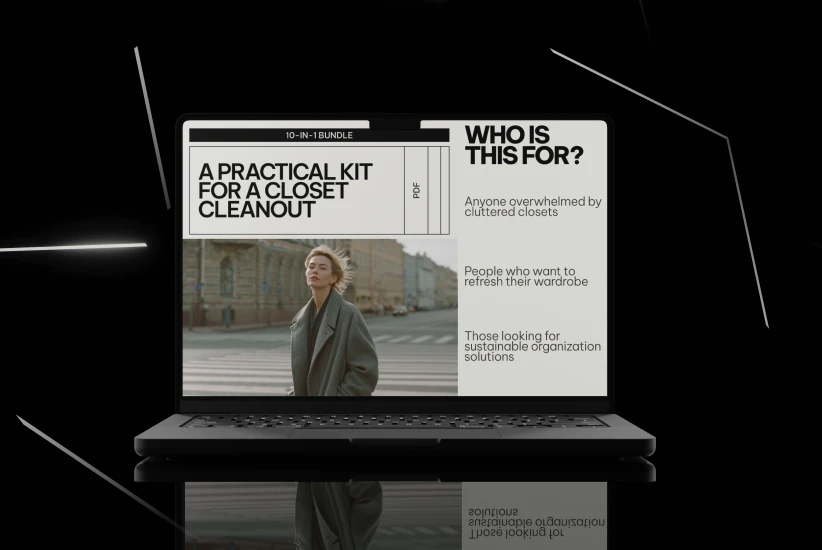
Another is A Practical Kit for a Closet Cleanout, a 10-in-1 bundle.
How to stand out: bundles lift perceived value and, as the fee math above shows, spread fixed fees across a bigger sale.
Financial education
Buyers pay for content that promises a clearer financial picture, which is also why trust matters most here. Formats include budgeting templates, savings challenge workbooks and investing starter guides.

A good example is Building Financial Intimacy in Relationships, a guide for couples.

Another is Sales Data That Makes Sense, an ebook for small business owners.
How to stand out: present the product as education rather than personal advice, and avoid income promises.
Home styling and organization
Buyers want practical tools: decluttering checklists, room-planning guides and moving-day planners. These products do well on visual platforms such as Pinterest, where previews drive clicks.

A good example is Common Watering Mistakes and How to Fix Them, an ebook for plant owners.
How to stand out: show real interior pages and real before-and-after examples rather than polished mockups alone.
Parenting and pets
Parents and pet owners are emotionally invested and actively search for answers. Formats include milestone trackers, activity packs, pet care guides and training workbooks.
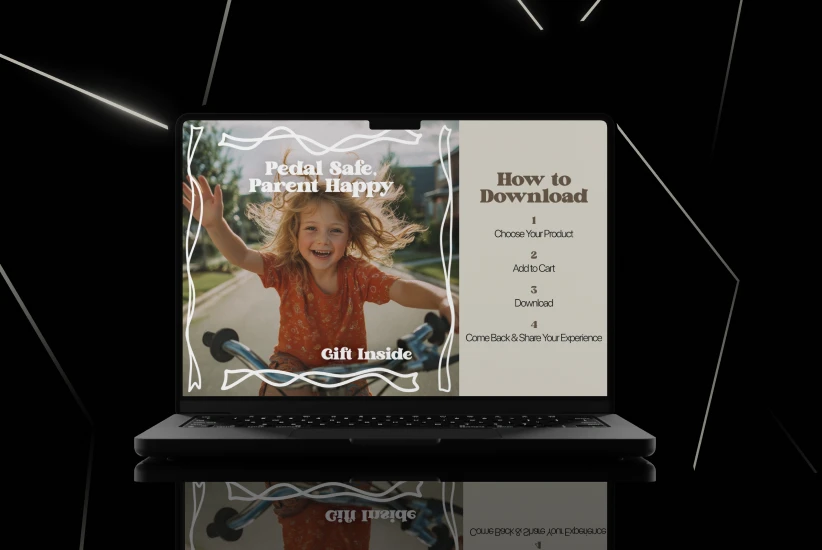
A good example is The Ultimate Kids’ Bike Safety Checklist, a checklist that helps parents and caregivers build safety habits before every ride.

Another is Smart Journeys: AI Travel for Pets, an ebook on planning safer trips with AI tools.
How to stand out: safety content must be accurate, so name your sources and have a knowledgeable person review it.
Travel and adventure
Travelers plan ahead, so they look for tools that organize a trip. Formats include destination guides, packing lists, budget planners and road trip itineraries.

A good example is Carry-On Essentials That Actually Matter, a guide that explains why items earn a place in the bag.
How to stand out: itineraries age quickly, so date-stamp them and sell refreshed editions.
Hobbies
Hobby buyers are enthusiastic and share recommendations inside tight-knit communities. Formats include skill guides, project planners and tutorial collections.
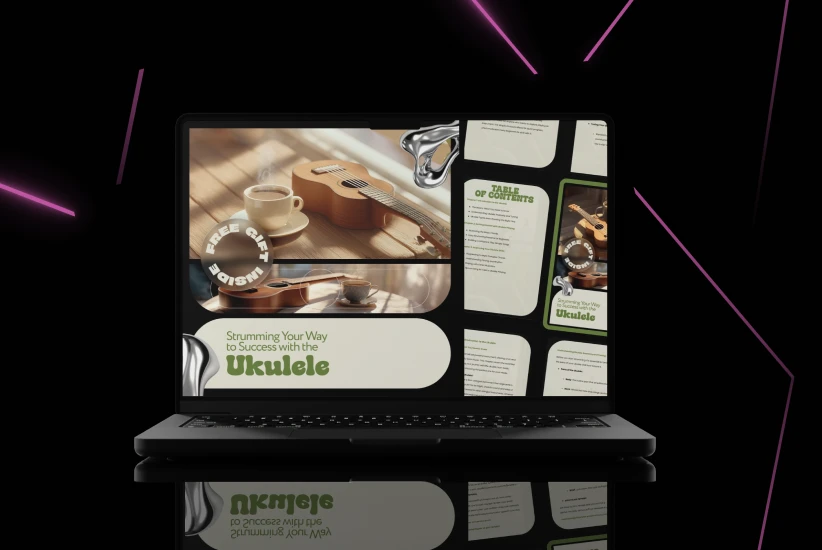
A good example is Strumming Your Way to Success with the Ukulele, a beginner guide.
How to stand out: build step-by-step patterns and instructions from your own work and show a real finished result, since on Etsy they now fall under the functional-guides rule above.
Electronics, technology and cars
These buyers research before they buy, so authority sells. Formats include gadget buyer’s guides, setup tutorials, car maintenance checklists and inspection guides.

A good example is AI for Interior Design, a guide to generating design ideas with AI.
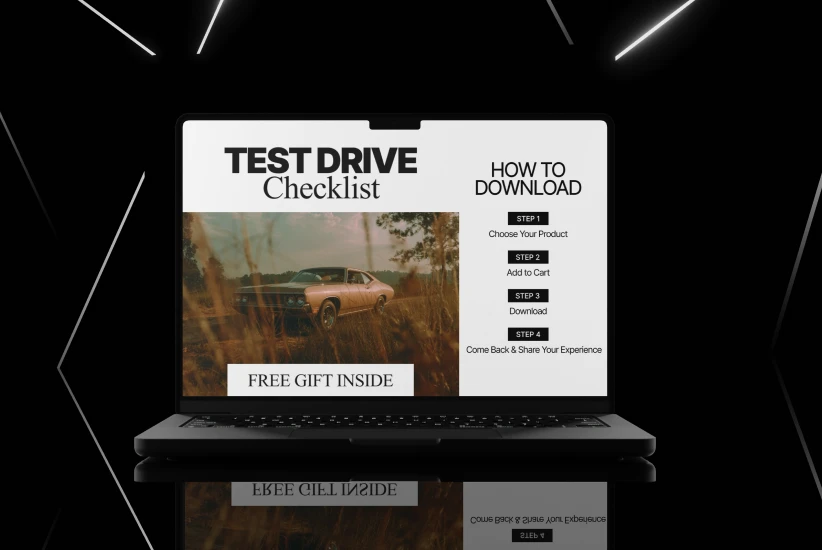
Another is Test Drive Checklist: What to Look (and Listen) For.
How to stand out: date-stamp every guide and update it when models change.
Dating and social confidence
People feel this problem acutely and want practical help that does not feel gimmicky. Formats include conversation-starter guides, confidence workbooks and first-date planners.

A good example is Social Confidence, Step by Step, an ebook built on small, doable actions.
How to stand out: keep the tone supportive and avoid promising outcomes.
Content creation and AI skills
The creator economy and AI adoption keep generating demand for practical guidance. Formats include content calendars, workflow templates, platform growth guides and beginner AI courses.

A good example is Building Long-Term Viewer Loyalty, a guide for streamers.
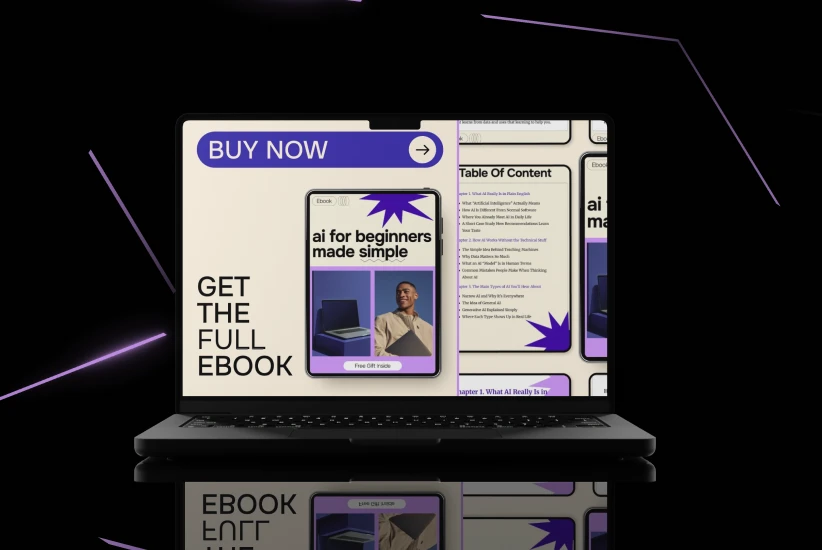
Another is AI for Beginners Made Simple, an ebook that explains AI in plain English.
How to stand out: prompt packs are the most exposed to the prompt-it-yourself test, so sell the workflow, the results and the updates, not the prompts alone.
Where to sell your digital products
A marketplace rents you an audience, while your own store builds one you keep, so many sellers use both. Here is how the main options compare.
| Option | Fees (US) | Traffic | Trade-off |
|---|---|---|---|
| Etsy | $0.20 listing, 6.5% transaction, 3% + $0.25 processing; 12–15% more on orders from Offsite Ads | Built-in buyers | New AI rules since October 22, 2026; Etsy keeps the customer relationship |
| Gumroad | 10% + $0.50 per direct sale plus card processing; 30% on Discover sales | Mostly yours | Handles sales tax as merchant of record; fees are not refunded on refunds |
| Your own store | 14-day free trial, then $39 a month | You bring it | Full control of pricing and branding; marketing is on you |
Etsy’s October rules are a reminder that on a marketplace someone else sets the terms. A store of your own lets you set them, and every sale builds an asset you control. The practical middle path is to use a marketplace for discovery and send repeat buyers to your own store.
AliDropship’s 1,000 digital guides offer is one way to start: a ready-built store loaded with guides, a dedicated manager and a 14-day free trial. After the trial the plan costs $39 a month, and you can cancel any time.
How to market your digital products
Start with one or two channels and go deep before adding more. Search, email and visual social do most of the work for digital products.
- Search. Optimize product pages and blog content for the keywords your buyers use. It takes time, but it brings steady traffic you do not pay for per click.
- Email. In Litmus’s 2025 survey of nearly 500 marketing professionals, 35% reported earning $10–$36 for every $1 spent on email and 30% reported $36–$50. Those figures are self-reported, and 21% of respondents do not measure ROI, so read them as a sign that email works rather than a promise. Start building your list before you launch.
- Social. Pinterest suits visual products such as planners, home and style guides, and short video suits educational ones. Hobby communities spread recommendations by word of mouth.
- Proof. Sample pages, real results and a visible human behind the product double as marketing, which ties back to the shift toward proof described earlier.
A newer channel is AI shopping assistants. Etsy’s CEO said in August that agentic AI experiences were still under 1% of Etsy traffic, though referrals from AI channels carry higher buyer intent and order value. It is small today, but clear, specific descriptions help both people and assistants understand what you sell.
How much can you realistically earn?
No one can give you a reliable average, because results depend on niche, audience, price and effort. What you can do is understand the math behind your own numbers.
Monthly revenue = visitors × conversion rate × price
To see how the pieces move the total, try made-up inputs: 2,000 visitors, a 1.5% conversion rate and a $19 price give $570 before fees and costs. Those numbers are for the arithmetic only. They are not a benchmark or a forecast.
Each part of the formula is a lever. More traffic comes from search, email and social. A better conversion rate comes from clear previews, proof and a focused offer. A higher price comes from outcome-led positioning or bundles, and repeat purchases come from updates and complementary products.
Fees then take a bigger share of cheap products, as the $10 example earlier shows. Results differ from person to person, and this guide does not guarantee any income.
Mistakes worth avoiding
Most early setbacks come from a short list of avoidable mistakes.
- Skipping validation. Confirm that people want the product before you build it.
- Underpricing. Low prices signal low value, and fixed fees eat cheap products. Price on the outcome you deliver, not the hours you spent.
- Selling unedited AI output. Platforms are tightening and buyers notice. Test the content, edit it, add your own proof, and disclose AI use wherever a platform requires it.
- Overclaiming. Keep health, income and safety claims modest and truthful, and never promise a result you cannot back up.
- Neglecting the basics. Ignoring your email list and SEO from day one, or relying on a single product for all your income, limits growth.
- Overlooking tax. Sales tax and VAT rules for digital goods differ by state and country, so check each place you sell. Etsy collects and remits tax on its own platform and Gumroad acts as merchant of record, but on a store of your own, check who handles tax collection and confirm your obligations with an accountant.
Your next step
Digital products remain one of the most accessible ways to start an online business, with low startup costs, instant delivery and no inventory. What changed in 2026 is that a good idea is not enough. It needs proof, a visible human touch and a reason to buy from you instead of generating it for free.
Pick one niche from the list, run the prompt-it-yourself test, validate demand, and build one useful product. You will learn more from launching one imperfect product than from six more months of research.
What you get with AliDropship
If you want to start without building everything yourself, here is what AliDropship includes. It is an online business platform made for people with no experience and no tech skills.
Your own store, built for you
Your store is ready to use from day one. Hosting, a domain and an SSL certificate are included in your free trial, and you can run it from your phone. On marketplaces like Etsy you sell inside someone else’s site. With AliDropship you run your own branded store for as long as your monthly plan is active.
Products already loaded
Choose what to sell from AliDropship’s catalog of guides, courses, checklists and online tools. You do not need to create or source anything yourself. Delivery is instant and digital, so there is no shipping and nothing to stock.
AI toolkits that fit each buyer
The catalog also includes 100+ AI toolkits in areas such as productivity, wellness and sales. Your buyer answers a few simple questions, and the toolkit builds a tailored plan, script or guide on the spot. New toolkits are added regularly.
One-click ads
You do not need to set up Google or Facebook ads yourself. Turn on ads, choose a daily budget from $10 to $50, and AliDropship handles the targeting and creatives. Once ads are running, orders can start the same day. A $40 ad coupon comes with your free trial.
A personal growth manager
A personal growth manager helps you by chat, from your first steps to growing your business.
Clear costs
- Free trial: 14 days of full access.
- Monthly plan: $39 a month after the trial, about $1.30 a day. Cancel before the trial ends and you pay no monthly fee.
- Order fees: an order fee applies to each sale, including during the trial.
- Ads: optional, from $10 to $50 a day. You choose your budget.
- Extras: product packs, premium domains and themes are optional one-time purchases.
- What you keep: a margin of 50–70% per digital sale after order fees. For example, a customer pays $25 and you keep about $17.
AliDropship was founded in 2015, is based in Irvine, California, and has launched more than 1.5 million stores. It holds a 4.7★ rating on Trustpilot.
Results may vary. What you earn depends on the products you choose, your ad budget and your effort, and no income is guaranteed.
Ready to start your digital product business? Start your 14-day free trial with 1,000 digital guides included – no technical skills required. After the trial the plan is $39 a month, and you can cancel any time.
What is the best digital product to sell?
What digital items can I sell?
Can I sell AI-generated digital products?
How do I make $500 a day selling ebooks online?
What can I sell to make $10,000 a month?
How do I start selling digital products with no experience?


