How To Use Email Marketing For Ecommerce: Best Practices

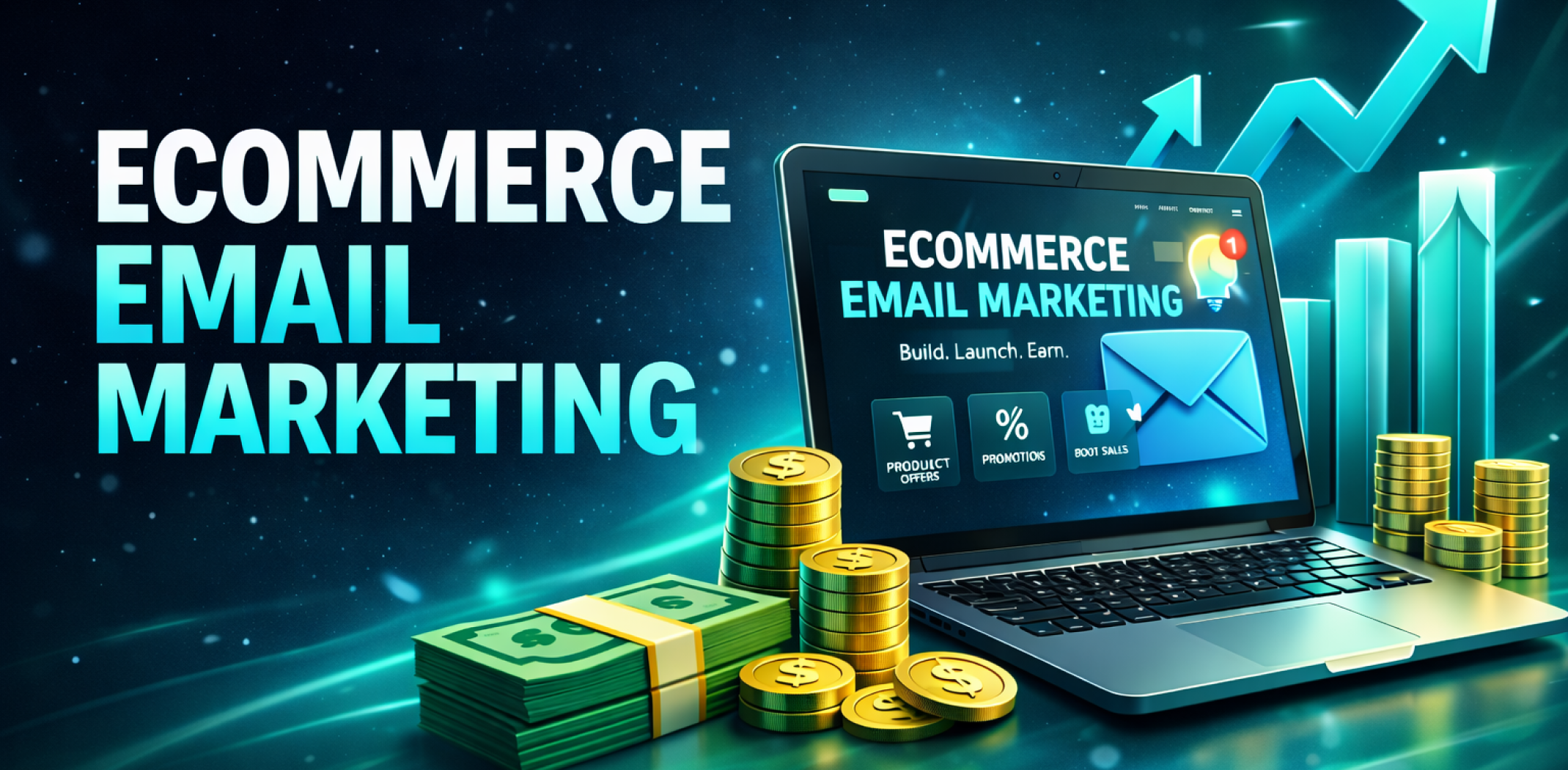
If you run an online store and you are not building an email list, you are leaving your most reliable revenue channel completely untapped. Social media reach is borrowed. Ad costs keep climbing. But your email list? That is an asset you own — and one that keeps paying back.
Email marketing consistently delivers one of the highest returns of any digital channel. For ecommerce brands specifically, the average return sits at $36 for every $1 spent — and in the US, that figure climbs as high as $72. No other marketing tool comes close to that ratio at scale.
Quick answer: Ecommerce email marketing is the practice of sending targeted, automated, and promotional emails to subscribers at every stage of the customer journey — from the moment they sign up to long after their first purchase. Done right, it drives repeat sales, builds loyalty, and generates consistent revenue without relying on paid traffic.
This guide covers everything: what ecommerce email marketing actually is, how much you can realistically earn from it, which email types perform best, and the proven best practices that separate high-converting stores from the ones that get ignored.

What is ecommerce email marketing?
Ecommerce email marketing is a direct digital marketing strategy where online store owners use email to communicate with potential and existing customers throughout the entire customer lifecycle. It goes well beyond promotional blasts and discount codes — it is a full system designed to attract, convert, and retain buyers through timely, relevant messaging.
Unlike social platforms where algorithms control your reach, email gives you a direct line to your audience. Every subscriber on your list has opted in, which means they already have some level of interest in what you sell. That intent gap is exactly why email outperforms almost every other channel in ecommerce.
A mature ecommerce email marketing strategy typically covers several stages: welcoming new subscribers, recovering abandoned carts, following up after purchases, re-engaging dormant customers, and running seasonal or promotional campaigns. Each of these touchpoints serves a specific purpose in moving someone from passive interest to active buyer — and then back again as a repeat customer.
In 2026, the definition has expanded further. Modern ecommerce email marketing includes behavioral triggers, AI-driven personalization, interactive email elements, and zero-party data collection — all designed to make every message feel less like a broadcast and more like a one-to-one conversation.
How much can you realistically earn from email marketing?
The ROI figures for email marketing are genuinely hard to match in any other channel. But raw averages only tell part of the story — results vary a lot depending on your list size, the types of emails you send, and how well your flows are set up.
Automated flows — welcome series, abandoned cart, post-purchase — consistently outperform one-off campaign blasts. On well-optimized stores using platforms like Klaviyo, automated flows alone can account for 50–60% of total email revenue despite representing just 2% of total sends.
One note on the ceiling figures: The $36–$72 ROI averages apply to established lists with solid segmentation in place. New stores building their first 500–1,000 subscribers should expect lower initial returns and plan for a 60–90 day ramp-up period before email becomes a meaningful revenue driver.
The essential email types every ecommerce store needs
Not all emails are created equal. The most effective ecommerce email marketing programs combine automated flows that run in the background 24/7 with manually scheduled campaigns timed to promotions and seasons. Here is a breakdown of the email types that drive the most consistent results.
Automated email flows (set once, earn continuously)
Welcome series
The welcome series is the single highest-performing email sequence in ecommerce. With average open rates of 83.6% — far above any other automated email type — your welcome flow is the moment to introduce your brand, set expectations, and deliver whatever incentive you promised at signup (a discount code, a free resource, early access). A well-structured welcome series runs 3–5 emails over the first 7–10 days and consistently generates some of the highest revenue per recipient of any flow in your account.
Earning potential: $0.50–$2.00 per recipient in the first 30 days, depending on your offer and product price point.
Abandoned cart emails
Roughly 70% of online shopping carts are abandoned before checkout. Abandoned cart emails exist to recover a meaningful slice of that lost revenue. A 3-email sequence — a gentle reminder, a soft urgency nudge, and a final incentive — typically converts at 3–8%, with top-performing stores reaching closer to 10%. The first email should go out within 1 hour of abandonment while the intent is still fresh. Timing is everything here: the longer you wait, the lower your recovery rate drops.
Why this works in 2026: Most shoppers abandon carts due to distraction or hesitation — not a firm decision not to buy. A well-timed, personalized reminder with social proof or a small incentive is often all it takes to close the sale.
Post-purchase sequence
The sale is not the finish line — it is the starting point of a longer relationship. Post-purchase emails confirm the order, provide shipping updates, set delivery expectations, and then transition into upsell or cross-sell recommendations based on what the customer just bought. Done well, this sequence increases average order value and drives repeat purchases without any additional ad spend. Stores that run a structured post-purchase flow typically see 15–25% higher repeat purchase rates compared to stores that go quiet after the confirmation email.
Browse abandonment emails
A step beyond cart abandonment, browse abandonment emails target shoppers who viewed a product page but never added anything to their cart. These require behavioral tracking but are worth setting up — they reach buyers earlier in the decision process, often before a competitor has had the chance to retarget them. A single well-timed browse abandonment email featuring the viewed product, a few reviews, and a related recommendation can convert at 2–4%.
Win-back campaigns
Every email list has a segment of subscribers who have gone quiet — no opens, no clicks, no purchases in 90+ days. Win-back campaigns (also called re-engagement sequences) target this group with a specific goal: either get them active again or clean them off your list. A typical win-back sequence offers a compelling reason to return — a discount, a “we have missed you” message, or a preview of new products — and filters out subscribers who are genuinely done. Maintaining a clean, engaged list directly improves your deliverability, which affects every other campaign you send.
Promotional and campaign emails
Seasonal and sales campaigns
Black Friday, Cyber Monday, Valentine’s Day, back-to-school — seasonal campaigns are the highest-volume sends most ecommerce stores run all year. These are manually scheduled broadcasts sent to your full list or targeted segments. The key to strong seasonal campaign performance is preparation: your subject line, offer structure, and send timing should be decided weeks in advance. Sending the same generic “20% off everything” email as every other store on the same day is a race to the bottom. Personalized offers based on past purchase behavior consistently outperform blanket discounts.
Product launch and new arrival emails
When you add new products to your store, email is the fastest way to generate immediate sales from people who already trust your brand. New arrival emails work best when they are targeted — send them to subscribers who have purchased in the same category before, or who have browsed similar products without buying. A segmented new product email sent to the right 20% of your list will almost always outperform a broadcast sent to 100%.
Review request emails
Social proof is one of the most powerful conversion tools in ecommerce, and review request emails are how you collect it at scale. A simple, well-timed email sent 7–14 days after delivery — asking for a quick review in exchange for a small loyalty reward — can dramatically increase the volume of authentic product reviews on your store. More reviews means higher conversion rates for every future visitor who lands on those product pages.
Email marketing best practices that actually move the needle
Knowing which emails to send is one thing. Knowing how to send them effectively is another. These are the email marketing best practices that consistently separate high-performing ecommerce stores from the ones sitting at 15% open rates and wondering why nothing converts.
Segment your list from day one
Batch-and-blast is dead. Segmented email campaigns generate up to 760% more revenue than non-segmented sends — not because segmentation is magic, but because relevant emails get opened and irrelevant ones do not. Start with the basics: new subscribers vs. repeat buyers, high-value customers vs. one-time purchasers, active vs. dormant subscribers. As your list grows, layer in behavioral segments — people who have browsed a specific category, purchased a particular product type, or clicked certain links in past campaigns. Even rough segmentation from the start pays dividends quickly.
Write subject lines for the preview pane, not the inbox
Your subject line and preheader text appear together in every inbox. Most email marketers optimize the subject line and leave the preheader as an afterthought — or worse, let it default to “View this email in your browser.” Treat those two fields as a single unit. A strong subject line creates curiosity or urgency; the preheader resolves or deepens it. Together they should give the reader one compelling reason to open without giving away so much that opening feels unnecessary.
Optimize for mobile — without exception
Between 60% and 70% of all emails are now opened on a mobile device. Single-column layouts, tap-friendly CTA buttons (minimum 44x44px), body text no smaller than 16px, and images under 1MB are not design preferences in 2026 — they are baseline requirements. An email that looks polished on desktop but breaks on mobile will cost you sales every single time it goes out. Test every campaign on at least two mobile clients before sending.
Use automation to handle the heavy lifting
The most powerful shift in modern ecommerce email marketing is the move from scheduled campaigns to behavioral automation. Triggered emails — sent in response to a specific action a subscriber takes — consistently outperform broadcast emails across every metric. Automated emails achieve 42.1% open rates versus 25.2% for standard campaigns, and click rates follow the same pattern: 5.4% vs 1.5%. Platforms like Klaviyo and Omnisend make it straightforward to build these flows without a developer. Your time is better spent refining your automation logic than manually sending campaigns every week.
Build your list with genuine incentives
The quality of your email list matters far more than its size. A list of 2,000 engaged subscribers will consistently outperform a list of 20,000 who signed up for a one-time giveaway and never opened another email. Offer something genuinely useful at signup — a real discount, exclusive access, or practical content — and deliver it immediately. Subscribers who get value from their first interaction are far more likely to stay active and convert over time.
Monitor deliverability, not just open rates
Your emails can only perform if they reach the inbox. Deliverability — the rate at which your emails actually land in subscribers’ primary inboxes rather than spam or promotions folders — is influenced by your sender reputation, list hygiene, authentication setup (SPF, DKIM, DMARC), and engagement patterns. Sending to a list full of unengaged or invalid addresses is one of the fastest ways to tank your sender score. Run regular list cleaning every 60–90 days: suppress anyone who has not opened in 6+ months, and remove hard bounces immediately after they occur.
A/B test systematically — one variable at a time
A/B testing is how you turn intuition into evidence. Subject lines, send times, CTA button copy, email length, offer structure — all of these can be tested. The key rule: test one variable at a time with a large enough sample to produce statistically meaningful results. Changing three elements simultaneously and calling the winner a “better email” tells you nothing about what actually drove the improvement. Start with subject lines since they have the highest impact on open rates, then move to CTA design and offer framing once your baseline open rates are solid.
Legal and ethical considerations in email marketing
Email marketing is heavily regulated in most markets, and for good reason. Understanding the legal framework is not just about staying compliant — it is about building the kind of trust that makes subscribers actually want to open your emails.
What the law requires
The three frameworks most ecommerce store owners need to understand are CAN-SPAM (US), GDPR (EU and UK), and CASL (Canada). Each has different rules around consent, unsubscribe mechanisms, and sender identification, but they share a common core: subscribers must have a genuine way to opt out, and that opt-out must be honored promptly. Under GDPR specifically, you need affirmative consent before sending marketing emails — a pre-checked box does not count. If you sell to EU customers, this applies to you regardless of where your business is registered.
What to avoid absolutely
Purchasing email lists is the single fastest way to destroy your sender reputation and expose yourself to legal liability. Purchased lists are full of invalid addresses, spam traps, and people who never consented to hear from you — every send to a purchased list actively harms your deliverability for legitimate subscribers. Similarly, hiding your unsubscribe link, using misleading subject lines, or misrepresenting who the email is from are all direct violations of CAN-SPAM and GDPR with real financial penalties attached.
Key principle: Build your list through genuine value exchange — people who want your emails are the only people worth having on your list.
How to choose your approach based on where you are right now
Ecommerce email marketing looks different depending on where you are in your business journey. Here is a practical breakdown by stage.
Complete beginner
If you are just starting out, do not try to build every flow at once. Set up three things first: a simple welcome email that delivers your signup incentive, an abandoned cart sequence with at least two emails, and a basic post-purchase confirmation that doubles as a review request. These three flows alone will cover the most critical revenue moments in your customer journey and give you a foundation to build from. Choose a beginner-friendly platform — Klaviyo, Omnisend, or Mailchimp all offer free tiers to get started.
Intermediate / part-time seller
At this stage you should have your core flows running and a growing list. The focus now shifts to segmentation and campaign consistency. Build out browse abandonment flows, add a win-back sequence for subscribers inactive for 90+ days, and start running monthly promotional campaigns timed to seasonal moments. Introduce basic A/B testing on subject lines — even a 5% improvement in open rates compounds significantly across a large list. If your flows are generating less than 40% of your total email revenue, automation is the area to invest in first.
Advanced / full-time goal
If email is a serious revenue channel for your store, the next level is predictive personalization and behavioral segmentation. Use purchase history, browsing behavior, and engagement data to create micro-segments that receive genuinely tailored product recommendations and timing. Explore AI-driven send-time optimization — tools that analyze when each individual subscriber is most likely to open and schedule delivery accordingly. At this stage, email marketing becomes less about broadcasting and more about orchestrating a personalized customer experience at scale.
Whichever stage you are at, the common thread is this: email marketing rewards consistency and patience. Stores that show up in the inbox with useful, relevant content — week after week, flow after flow — build the kind of subscriber relationships that paid ads can never replicate.
AliDropship: Your complete all-in-one solution for starting dropshipping in 2026
If you want the simplest possible way to start dropshipping – especially if you’re brand new – AliDropship remains one of the most beginner-friendly tools available in 2026. It brings together store creation, product imports, automation, and marketing into a single streamlined system designed to help you launch quickly and grow confidently.
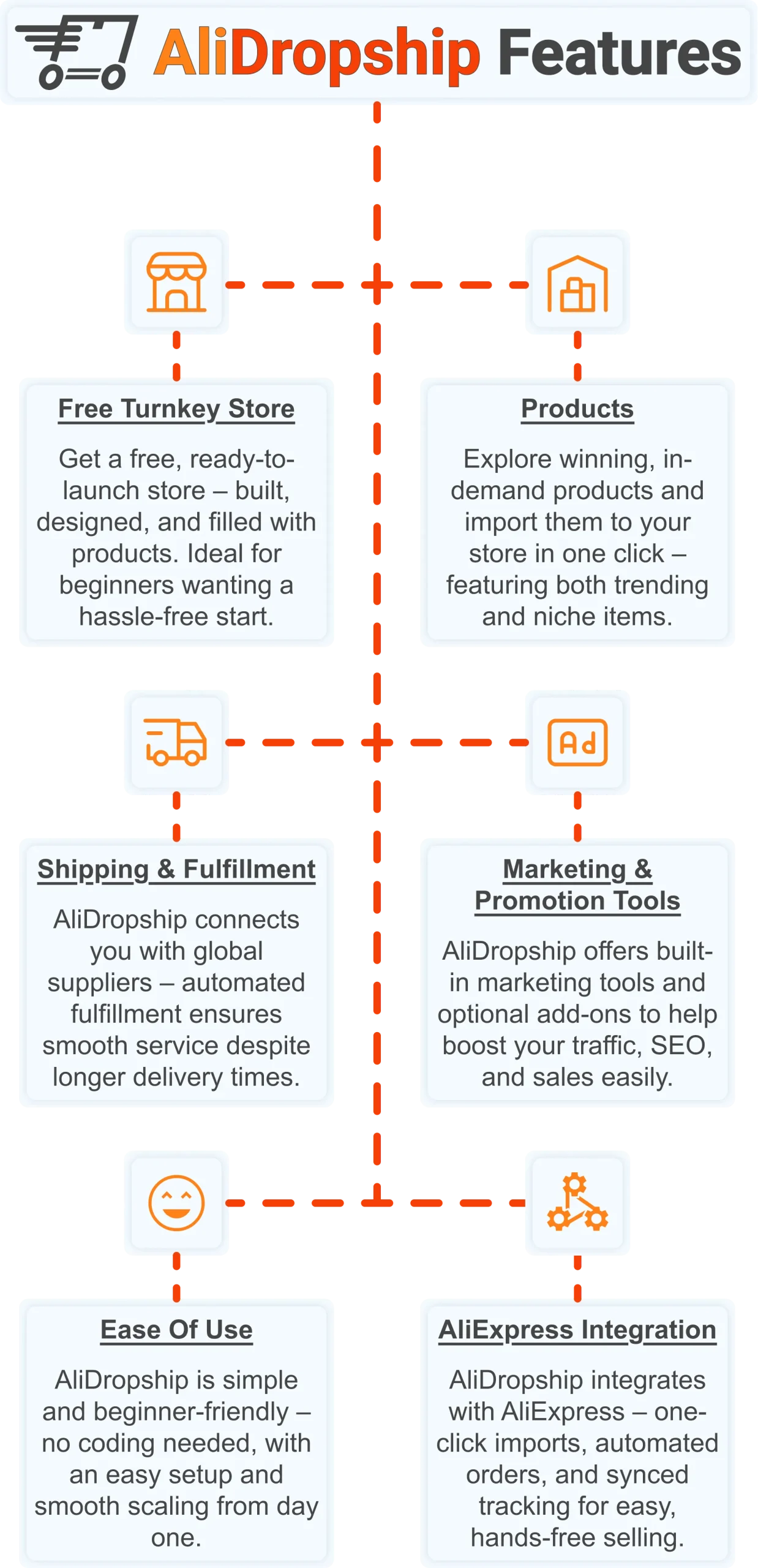
Free turnkey store 🛍️
Get a free turnkey store – built, designed, and filled with products. Ideal for beginners wanting a hassle-free start, the store comes fully optimized to attract customers right away, saving you time on setup. Plus, it includes professional design elements to give your business a polished, trustworthy look from day one. This ready-made foundation makes it easy to move seamlessly into product selection.
Products 📦
Once your store is set up, you can explore winning, in-demand products and import them in one click – featuring both trending and niche items. This wide selection lets you cater to diverse customer interests and test what works best. Regular updates ensure you always have fresh products, keeping your store competitive and relevant. With great products in place, smooth shipping becomes the next essential step.
Shipping & fulfillment 🚚
AliDropship connects you with global suppliers, and automated fulfillment ensures seamless order processing despite international delivery times. Customers receive real-time tracking updates, which builds confidence and trust in your store. Once shipping is handled reliably, you can focus on promoting your store and attracting traffic.
Marketing & promotion tools 📣
To maximize sales, AliDropship offers built-in marketing tools and optional add-ons that help boost traffic, SEO, and conversions. From email campaigns and discounts to social media integration, these tools empower you to reach and retain customers without needing prior marketing experience. With promotion strategies in place, managing your business becomes simpler and more efficient.
Ease of use 👌
AliDropship is beginner-friendly – no coding needed, with an intuitive dashboard that guides you through every step. Easy setup and smooth scaling let you expand your store without stress. As your business grows, adding new features, products, and marketing campaigns remains hassle-free, giving you more time to focus on sales.
AliExpress integration 🛒
Finally, AliDropship integrates seamlessly with AliExpress, enabling one-click imports, automated orders, and synced tracking. Your inventory stays up-to-date with the latest products and prices, while automated order processing frees you from manual tasks. Combined with the turnkey setup, reliable shipping, and built-in marketing tools, this integration ensures your dropshipping business is fully equipped for growth and success.
Ecommerce email marketing is one of the highest-ROI tools available to online store owners — but it only works if you have a store worth promoting. Get your free AliDropship store today and start building the email list that pays you back.
What is ecommerce email marketing and why does it matter?
What are the best email marketing best practices for online stores?
How much does email marketing cost for ecommerce businesses?
What is the average ROI for ecommerce email marketing?
How do you grow an email list for an ecommerce store?