

Micro-Influencer

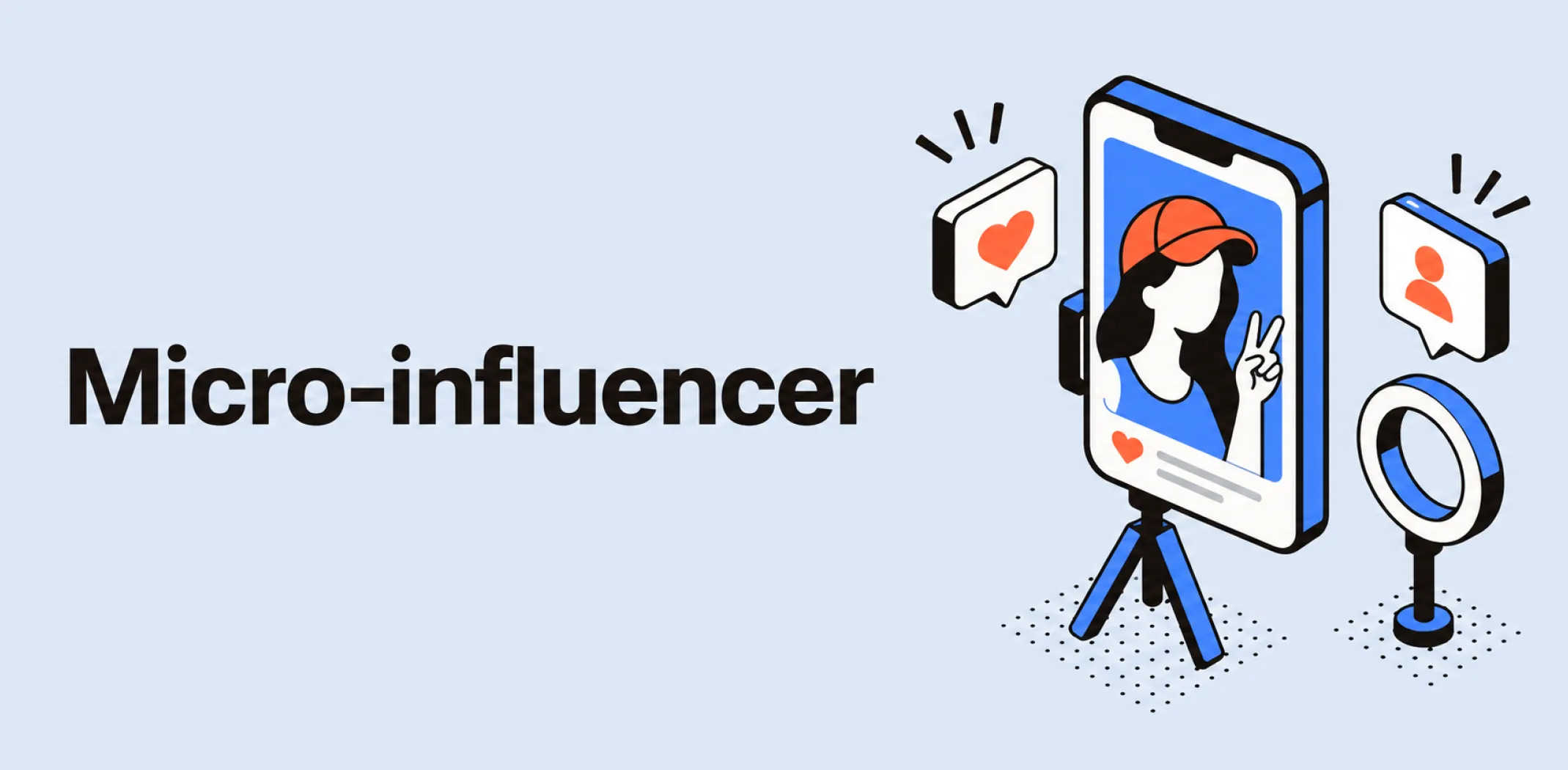
Micro-influencer is a social media creator who has built a small but highly engaged audience, typically between 1,000 and 100,000 followers, and who is compensated by brands to promote products or services.
A micro-influencer differs from a mainstream celebrity endorser mainly in audience size and relationship style. Their followers tend to view them as approachable and trustworthy, often because the influencer maintains a specific niche such as fitness, beauty, or home decor rather than broad general appeal. This closeness typically produces a higher engagement rate per follower than larger accounts achieve, even though the total reach is smaller.
Within ecommerce, micro-influencers are frequently used in influencer marketing campaigns alongside product advertising, since a single post or short video can drive direct traffic to a store or product listing. Compensation arrangements vary and may include flat fees, free products, or affiliate commissions tied to sales generated through a unique link or discount code.
Example
A dropshipping store selling reusable kitchenware sends a free product sample to a cooking-focused creator with 15,000 followers on Instagram. The creator posts a short video demonstrating the product and includes a 15 percent discount code in the caption, driving a measurable spike in store traffic and sales within 48 hours, at a fraction of the cost of a celebrity partnership.
Key characteristics
- Audience size range: Follower counts generally fall between 1,000 and 100,000, distinguishing the tier from nano-influencers below it and macro-influencers or celebrities above it.
- Niche focus: Content typically centers on a specific topic or lifestyle category, which attracts a more targeted and relevant following.
- Higher engagement rate: Likes, comments, and shares per follower tend to outperform larger accounts, even though total reach is smaller.
- Lower cost per campaign: Brands typically pay significantly less than they would for a macro-influencer or celebrity, making the tier accessible to small ecommerce stores.
- Perceived authenticity: Audiences often regard recommendations as more genuine than celebrity endorsements, since the creator appears more like a peer than a public figure.
Related terms
- Influencer – the broader category of social media creator that micro-influencers fall under, spanning all follower sizes.
- Product advertising – the paid promotion strategy that micro-influencer partnerships often supplement or replace.
- Conversion funnel – the path a customer follows from seeing an influencer post to completing a purchase.
- Niche market – the focused audience segment that most micro-influencer content is built around.
Frequently asked questions
How many followers does a micro-influencer typically have?
A micro-influencer generally has between 1,000 and 100,000 followers on a given platform. This range sits above nano-influencers and below macro-influencers, who often have millions of followers.
Are micro-influencers more effective than celebrity endorsers for small stores?
For stores with limited marketing budgets, micro-influencers often deliver a stronger return because of higher engagement rates and lower fees. A single campaign can cost a fraction of a celebrity partnership while still reaching a relevant audience.
How do brands typically pay micro-influencers?
Payment structures vary and commonly include flat fees, free products, or affiliate commissions based on sales tracked through a unique discount code or link. Some campaigns combine two or more of these methods.
What platforms do micro-influencers commonly use?
Micro-influencers are active across most major social platforms, including Instagram, TikTok, and YouTube. Platform choice usually depends on the creator’s niche and where their target audience spends the most time.
AliDropship: An all-in-one platform for starting an online business in 2026
AliDropship is an online business platform that gives customers a ready-made store, a digital products catalogue, and built-in, one-click advertising within a single system. Founded in 2015 and based in Irvine, California, it has helped launch more than 1,500,000 stores and holds a 4.7-star rating on Trustpilot. It is built for people with no prior experience and no technical skills.
🆓 Free 14-day trial
New users get full platform access for 14 days, including a ready-made store, hosting, a domain, an SSL certificate, and access to the digital products catalogue. The trial also includes a $40 ad coupon to test the advertising system. Order fees apply only when a sale is made.
📦 Digital products
Customers choose from AliDropship’s catalogue of digital products – guides, courses, checklists, tools, and AI-powered toolkits – and keep up to 70% of every sale. Delivery is instant and automated, so there is no inventory, shipping, or manual fulfillment involved.
📣 One-click advertising
AliDropship includes built-in advertising that customers can turn on for as little as $10 a day. The system handles targeting, creatives, and optimization, and many customers see their first orders the same day they launch ads.
👌 Ease of use
AliDropship requires no coding or marketing experience. The store, products, and ads are managed from a single dashboard that works on a phone as well as a desktop, and a personal growth manager is available to help by chat.
💳 Monthly plan
After the trial, continued access is $39 a month, covering the store, the digital products catalogue, and ongoing support. There is no long-term contract, and the plan can be cancelled at any time.
How many followers does a micro-influencer have?
Does a micro-influencer need a large following to earn money?
How much do micro-influencer campaigns typically cost?
What niches work best for micro-influencer marketing?
Can a micro-influencer work with more than one brand at once?
Are you ready to become an owner
of a profitable online business?
Free Dropshipping Guide