

Dropshipper

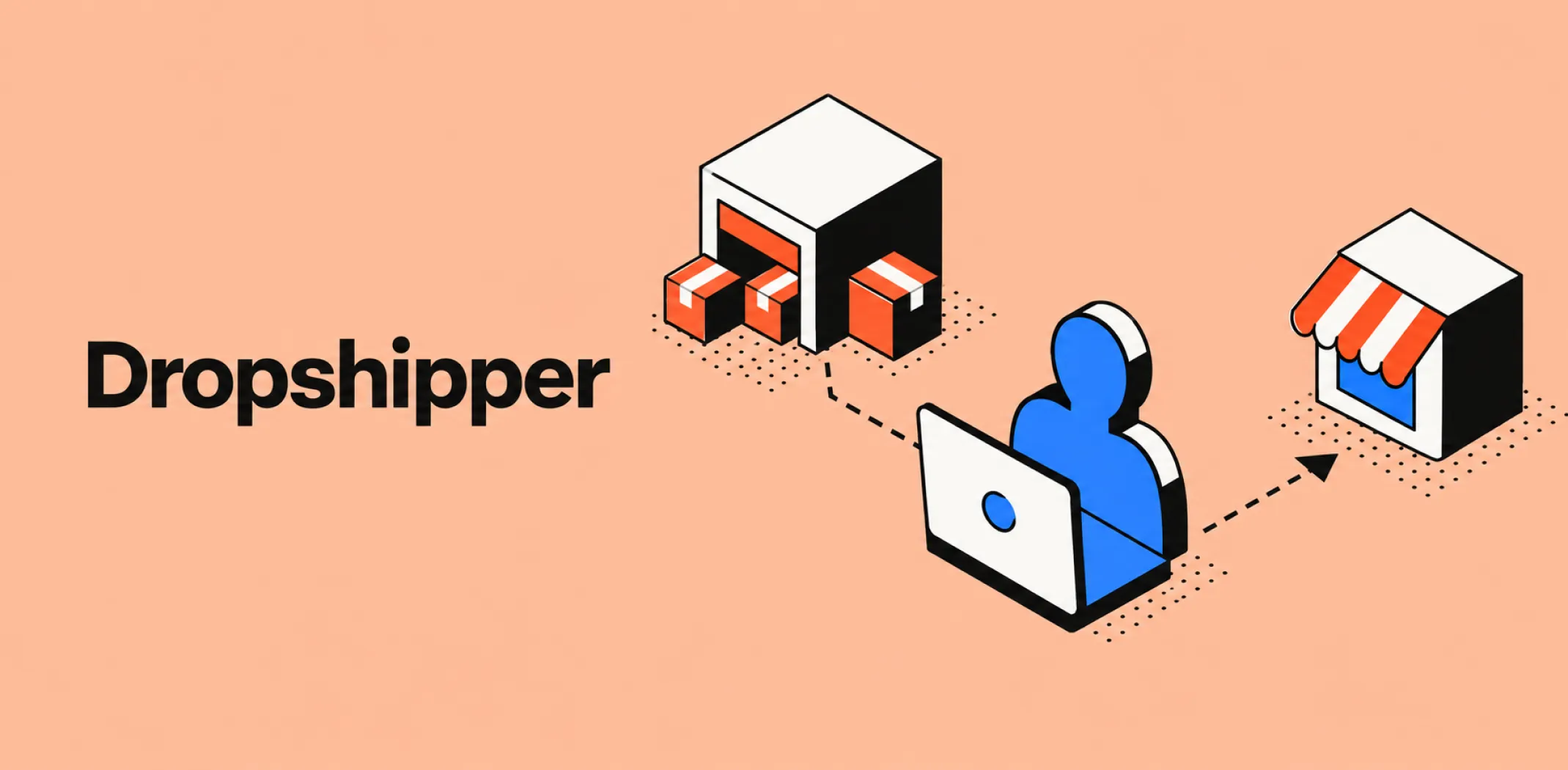
A dropshipper is a retailer who operates an online store without holding physical inventory, instead purchasing products from a third-party supplier only after a customer has placed an order, with the supplier shipping the item directly to the buyer.
The dropshipper occupies the intermediary position in the dropship supply chain: between the supplier who warehouses and ships the goods and the end customer who purchases them. Unlike a traditional retailer, a dropshipper never takes physical possession of the products being sold. Revenue is generated on the margin between the retail price charged to the customer and the wholesale cost paid to the supplier.
The term is sometimes used interchangeably with “dropshipping store owner” or “dropshipping seller,” though it can also refer to a supplier who offers dropshipping services to resellers. In most ecommerce contexts, however, “dropshipper” refers to the seller-side operator running the storefront.
Example
A dropshipper sets up an online store focused on home organisation products and lists a set of stackable storage bins at $38. When a customer purchases the bins, the dropshipper forwards the order details to a seller on AliExpress who stocks the item at $14, including shipping. The supplier dispatches the parcel directly to the customer under the dropshipper’s store branding. The dropshipper collects the $38 at checkout, pays the $14 to the supplier, and retains the $24 difference as gross margin – without ever handling the product.
Key characteristics
- No inventory ownership: The dropshipper lists and sells products that are physically held and shipped by a supplier, eliminating warehouse costs and stock risk.
- Demand-driven purchasing: Stock is only “purchased” from the supplier at the moment a customer order is received, meaning the dropshipper is never left holding unsold goods.
- Margin-based revenue: Profit depends on the spread between the price set for customers and the cost charged by the supplier, making pricing strategy a central operational concern.
- Supplier dependency: Fulfilment quality, shipping times, and product accuracy are determined by the supplier, giving the dropshipper limited direct control over the post-purchase customer experience.
- Platform agnosticism: Dropshippers may operate through a self-hosted store, a marketplace, or a social commerce channel – the business model is not tied to any single platform.
Related terms
- Dropship – the fulfillment arrangement that defines how a dropshipper’s orders are processed and delivered.
- Supplier – the third party responsible for warehousing, packaging, and shipping products on the dropshipper’s behalf.
- Order fulfillment – the end-to-end process by which a customer order is picked, packed, and delivered after the dropshipper forwards it to the supplier.
- Niche market – the defined product category or customer segment a dropshipper typically targets to compete in a focused area rather than broad retail.
- Overhead costs – the fixed operating expenses a dropshipper incurs regardless of sales volume, typically lower than in inventory-based retail.
- Ecommerce – the broader digital commerce ecosystem within which most dropshippers operate their storefronts.
Frequently asked questions
What does a dropshipper actually do?
A dropshipper sources products to list in an online store, sets retail prices, manages the customer-facing storefront, and forwards incoming orders to a supplier for fulfillment. The role centres on product selection, pricing, and customer acquisition rather than logistics or inventory management. A practical overview of the day-to-day responsibilities can be found in who is dropshipping for.
Is a dropshipper the same as a supplier?
No. In standard ecommerce usage, a dropshipper is the seller who operates the storefront and markets the products, while the supplier is the party who holds stock and handles physical fulfillment. Some suppliers do describe themselves as “dropshippers” when advertising their services to resellers, but the two roles are functionally distinct within the supply chain.
How does a dropshipper make money?
A dropshipper earns the difference between the price charged to the end customer and the cost paid to the supplier for each order. Managing this margin – through competitive pricing, supplier negotiation, and cost control – is the primary financial task of running a dropshipping store. For context on realistic earnings, see how much do dropshippers make.
Does a dropshipper need a business registration?
Legal requirements vary by country and jurisdiction. In most markets, operating a commercial store – including a dropshipping store – requires at minimum a business registration and compliance with local tax obligations. A dropshipper should consult the relevant authority in their region before accepting customer payments.
What is AliDropship?
AliDropship is a user-friendly platform that provides you with turnkey ecommerce solutions, making dropshipping smooth and hassle-free – from sourcing products to fulfilling orders. It takes care of technical stuff and fulfillment, so you can focus on sales, marketing, and growing your business without stress. ✨
Why choose AliDropship as your dropshipping partner?
AliDropship is packed with features designed to make your dropshipping journey easier and more efficient. Here’s what makes it stand out:
⚙️ Powerful automation
Automate essential tasks like product importing, order processing, and inventory tracking. Save time and focus on scaling your business without getting stuck in manual work.
🛍️ High-profit “winning” product database
The ecosystem provides access to a curated database of thousands of products that have been manually vetted for high profit potential and shipping reliability. You aren’t just guessing what might sell; you are leveraging data-backed insights from stores already succeeding in the ecosystem.
🔄 Seamless AliExpress integration
Effortlessly connect with AliExpress suppliers and access a huge variety of high-quality products. Real-time updates ensure accurate pricing, stock levels, and product details – eliminating the need for manual inventory management.
🎨 Turnkey solutions
The platform offers turnkey solutions for your business: pre-built store, pre-selected products catalogue, tried and tested marketing campaigns, whatever you might need for your business setting up and growth.
🤝 Comprehensive support
Whether you’re just starting with dropshipping or already an experienced seller, AliDropship offers tutorials, guides, and a dedicated support team to help you every step of the way.
🎯 Free trial
AliDropship provides you with access to its ecosystem for free, giving you a turnkey dropshipping store ready to sell from day 1. Your store is already pre-built and comes entirely for free even after the trial ends (hosting, domain, and SSL included if you subscribe after the trial).
🌎 Global reach
Sell to customers worldwide with support for multiple languages and currencies. Expanding into international markets has never been easier.
📢 Built-in marketing tools
Increase your store’s visibility with SEO optimization, email integration, and social media tools designed to drive traffic and boost sales.
📚 Community & educational resources
Join a thriving community and access valuable resources like blogs, forums, and webinars to stay ahead with trending products and smart marketing strategies.
AliDropship makes launching and managing your dropshipping business simple with powerful automation, customization, and marketing tools. Whether you’re selling locally or globally, this platform gives you the flexibility and reliability to grow your online store. Start today and bring your business idea to life! 🚀
What does a dropshipper actually do?
Is a dropshipper the same as a supplier?
How does a dropshipper make money?
Does a dropshipper need a business registration?
Are you ready to become an owner
of a profitable online business?
Free Dropshipping Guide